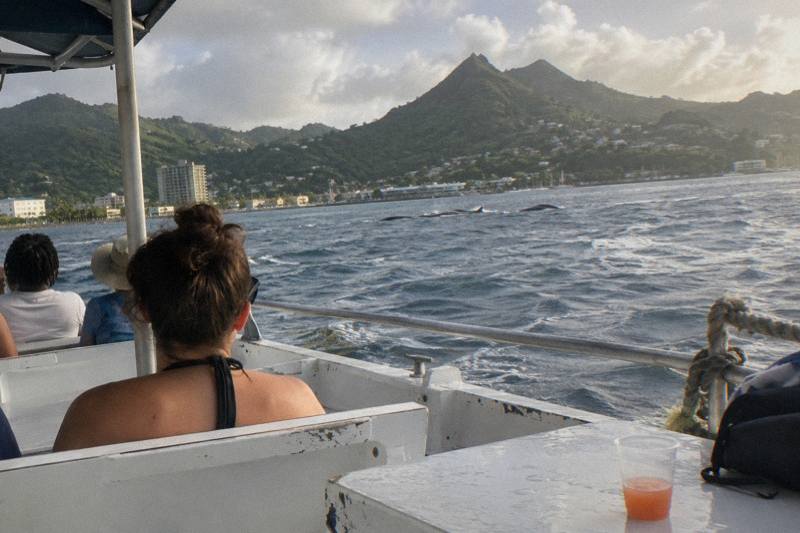
Dolphins, Turtles And Whales: Marine Life On A West Coast Boat Tour
Spinner dolphins, pilot whales, resident sperm whales in deeper water and humpbacks between about February and April: here is the marine life the west coast trips look for, stated as the chances they are.
Short answer
Saint Lucia's west coast trips look for spinner, pantropical spotted and bottlenose dolphins plus resident pilot whales all year, sperm whales in the deeper water offshore, and humpback whales passing through between about February and April. Turtles are not part of what the trips describe. Sightings are always chances, never promises.
Saint Lucia's west coast is one of the quieter surprises of Caribbean marine watching: the sea floor drops away steeply not far from shore, so the deep water that hosts sperm whales and offshore dolphins sits within easy reach of a morning boat trip from Castries. The trips covered on this site, the shared whale and dolphin cruise and the private whale and dolphin safari, both follow that Caribbean coastline out of Vigie Marina, and both name the animals they look for plainly: dolphins, pilot whales, sperm whales in the deeper water, and humpbacks when the season allows. This guide sets out what those animals are, when each appears, and what a day on the water can and cannot promise.
Everything here is stated as a chance. Sightings depend on weather, season and the animals' own movements, and no operator on this coast guarantees a sighting or publishes a trustworthy sighting rate. What you can plan around is which species are in the water at all, and that is what the rest of this page does, using the Saint Lucia tourist board's own species and season wording plus what the two trips' listings actually say.
Which Marine Animals Do The Trips Look For?
The trips look for a specific short list: spinner, pantropical spotted, bottlenose, Fraser's and common dolphins; pilot whales resident in family pods; sperm whales holding over the deep water offshore; and humpback whales during their roughly February to April passage through the region. That is the list the tourism board publishes and the list the trips' own descriptions name, and that is what is in the water. Nothing else is promised, and orcas appear only as rare visitors, not as something a trip plans around.
The tourist board's whale and dolphin page lays this out with careful wording that is worth repeating almost exactly: spinner dolphins are frequently sighted year-round, pantropical spotted and bottlenose dolphins are common, and Fraser's, Risso's and striped dolphins are recorded less often. Pilot whales live in resident pods that can sometimes be seen through the year in close-knit family groups. Sperm whales are described as "considered resident in the region and occasionally sighted in deeper waters," which is a precise phrase and one this site does not stretch. The official whale and dolphin watching page is the primary source for all of it.
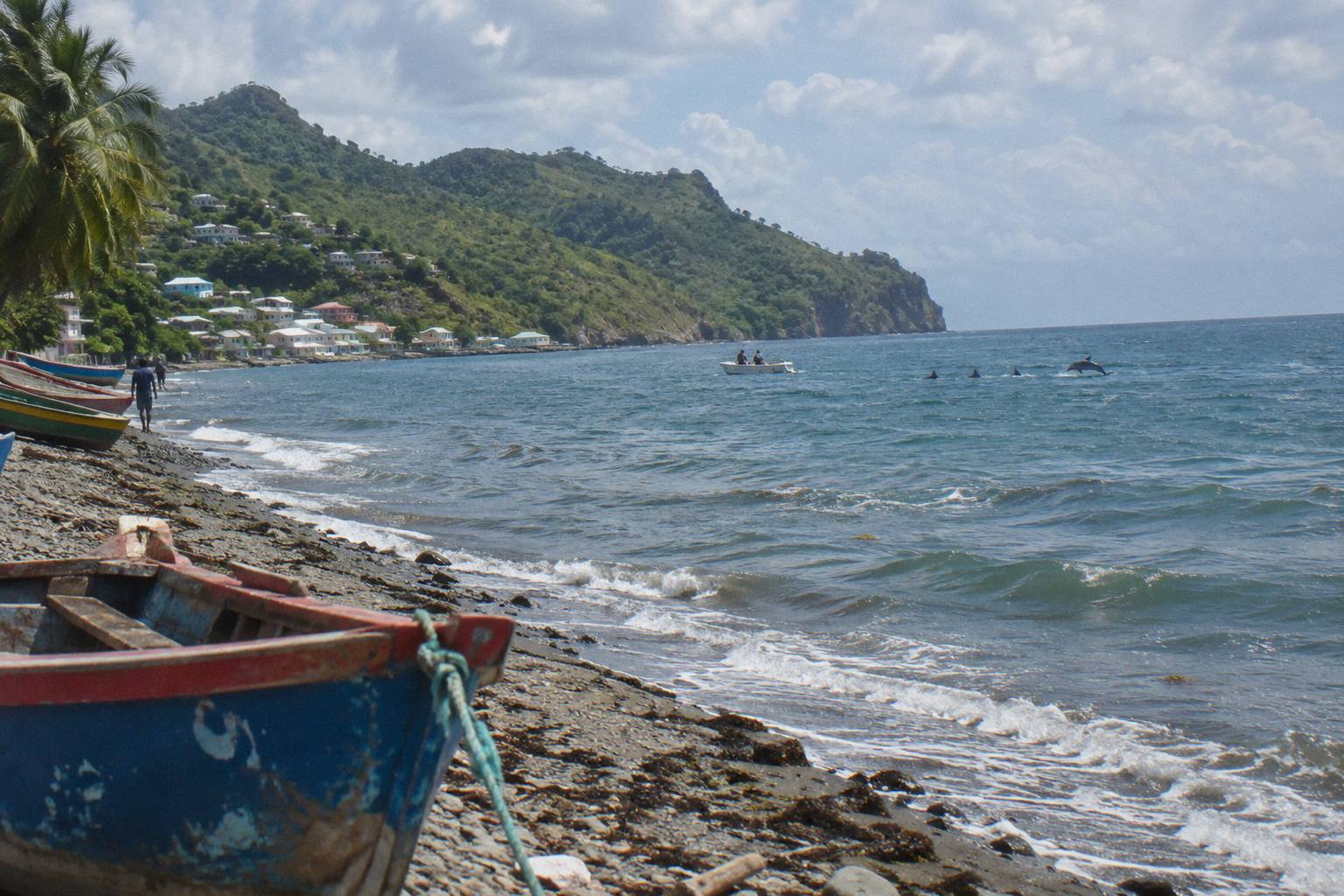
The shared cruise's own listing names sperm whales, humpbacks in season, pilot whales, and spinner, spotted, Fraser's and common dolphins, with views of the west coast along the way. The private safari, run by Hackshaw's Boat Charters, carries an expert wildlife guide on a 50 ft catamaran and covers the same waters. So the marine life story on both trips is the same story: a handful of dolphin species you have a real chance with at any time of year, a resident pilot whale population, a deep-water sperm whale population that rewards patience, and a seasonal humpback window. If you want the deeper background on any one of these, the dolphin species and where to look guide breaks the dolphins down individually.
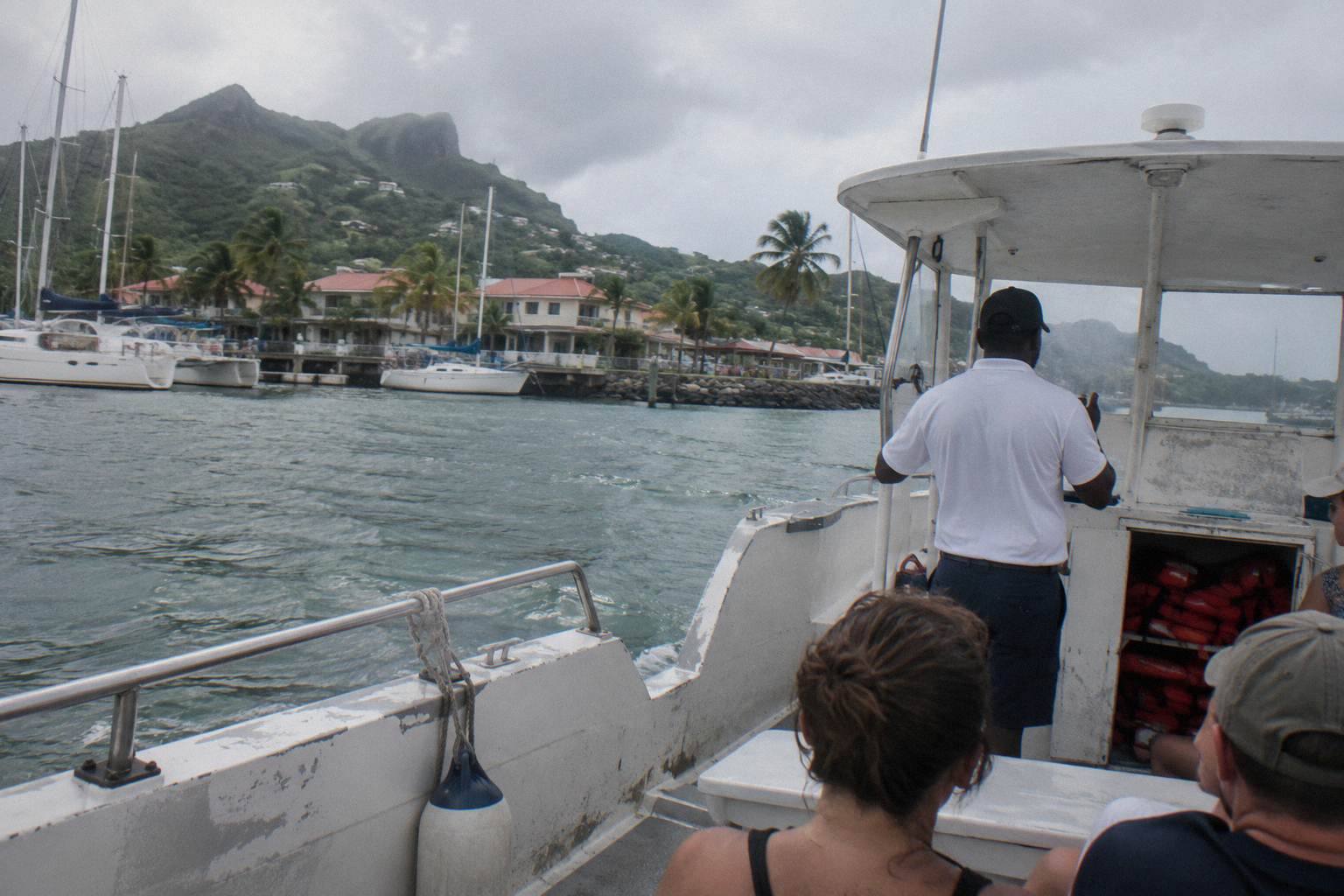
A marine expert or guide aboard matters more than casual readers might think, because several of these animals are genuinely hard to tell apart at a distance. A spinner dolphin mid-leap is unmistakable; a low-slung dorsal fin in chop could belong to more than one species, and the pilot whale versus false killer whale question is a real identification puzzle that even experienced watchers discuss. The person on the microphone is the one who identifies what is actually in front of the boat, which is exactly why both trips put one aboard.
What Do You See From The Boat Versus In The Water?
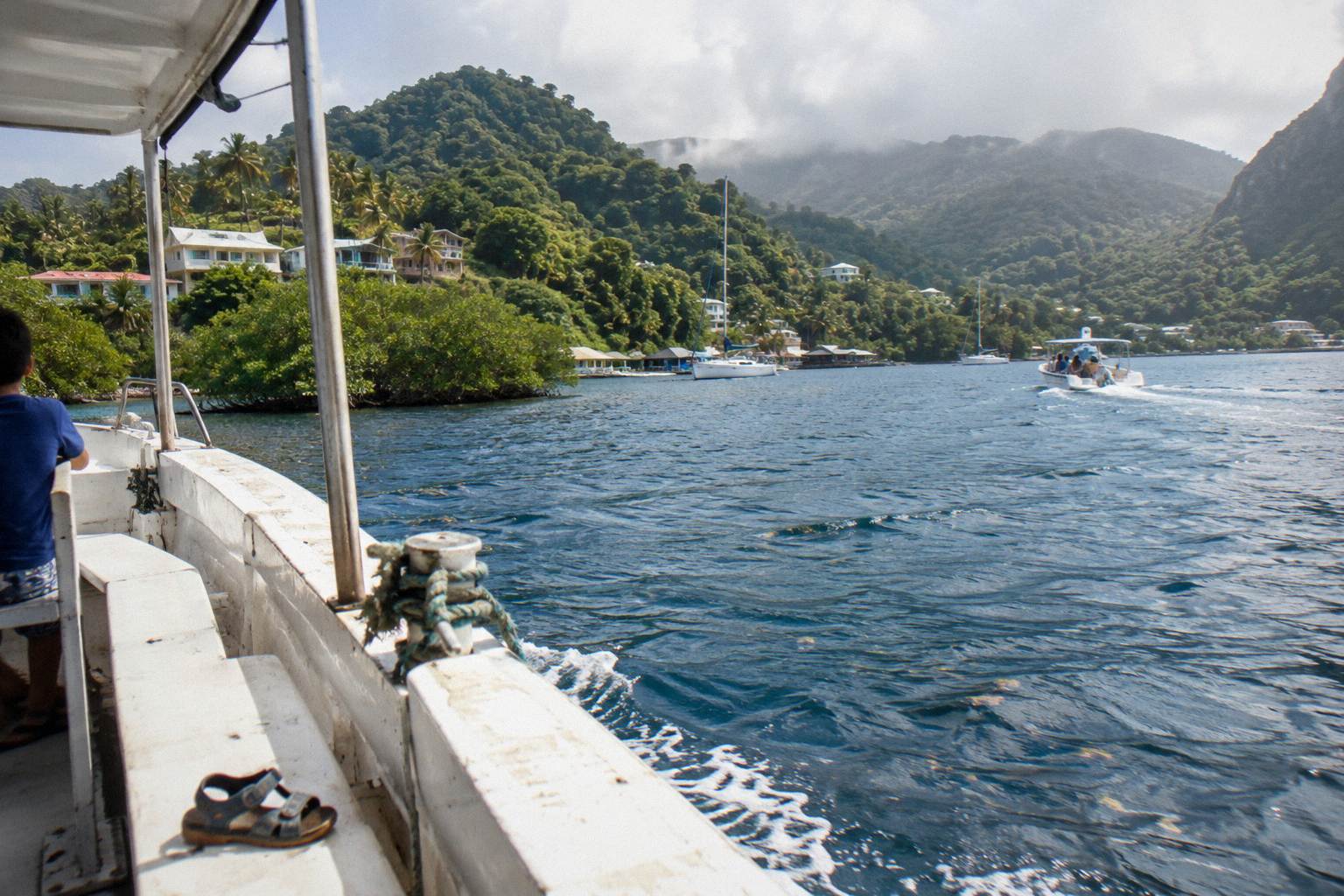
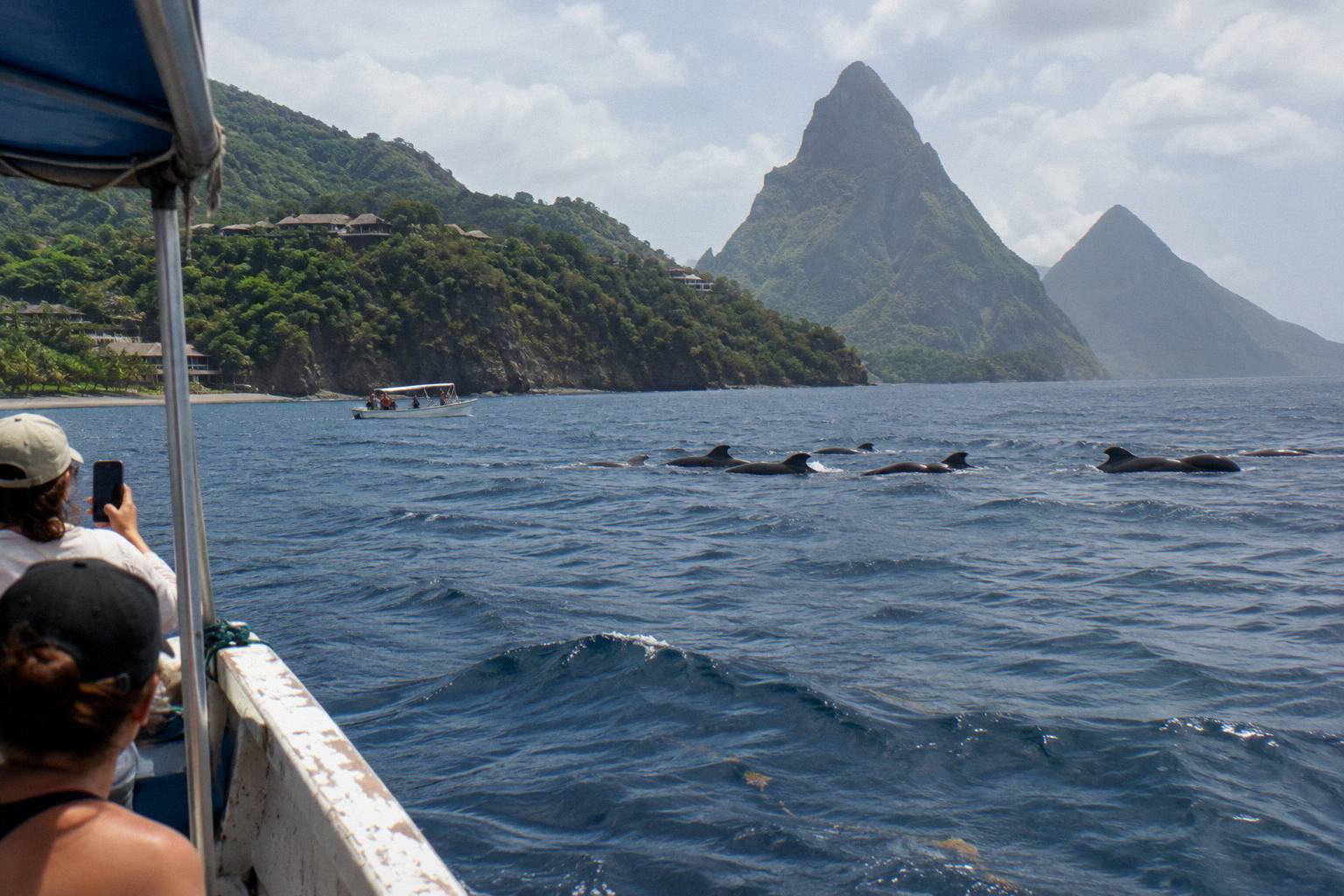
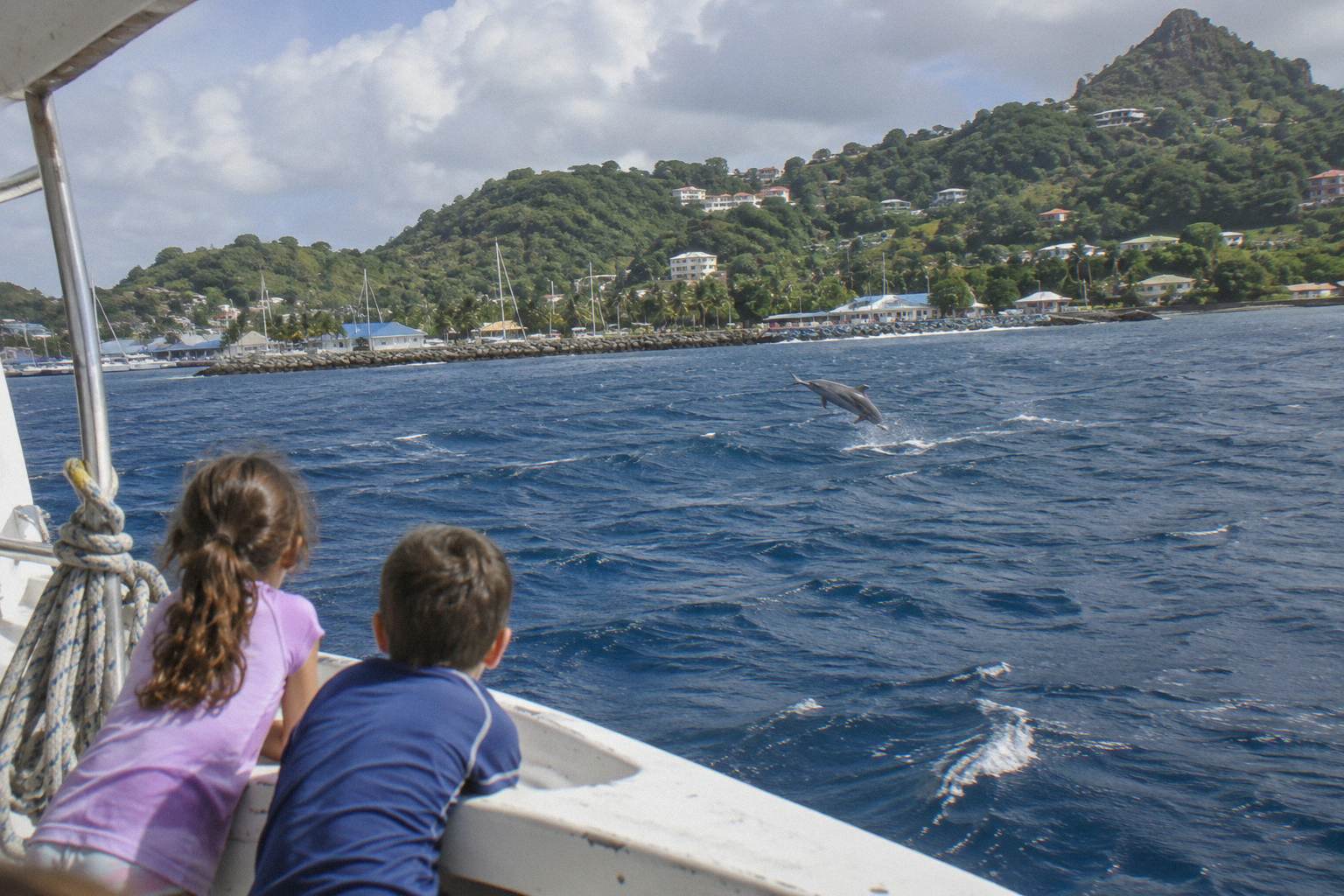
From the boat you see surface behaviour: dolphin pods bow-riding and wake-surfing, spinner dolphins leaping in twists, pilot whale backs and dorsal fins rolling through swell, and, on the deeper water, a sperm whale's blow, back and fluke before a dive. In the water you see nothing, because neither trip offers swimming with whales or dolphins, and neither suggests it. The trips are watching trips, full stop.
That distinction sounds blunt, but it sets expectations correctly. Whale and dolphin watching off Saint Lucia is a surface game played from a deck, and it is a good one: spinner dolphins are the acrobats of the region and frequently put on aerial displays, while pilot whales in family groups often travel close enough together that a pod crossing reads as a line of dark backs moving in step. A sperm whale sounding, lifting its fluke before a long dive, is one of the great sights of any ocean, and it happens at the surface, not underwater.
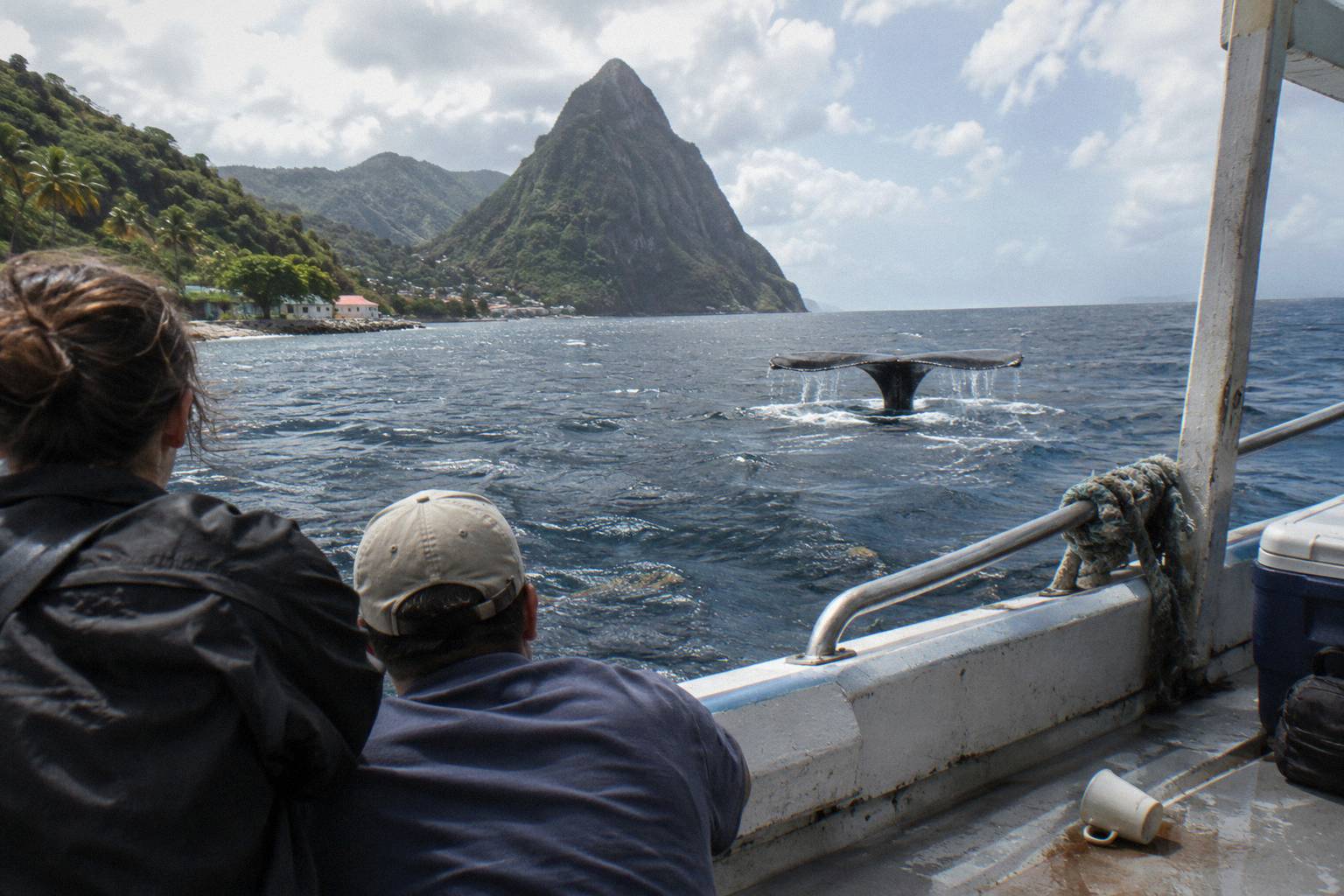
Both trips include drinks and light refreshments on board, so the watching happens comfortably. The shared cruise, about 3.5 hours on a custom 60 ft boat with a morning departure, includes bottled water, soft drinks and rum punch, and rates 4.5 from 200 reviews. The private safari, about 4 hours on a catamaran that takes up to 40 guests, adds coffee, tea, light snacks and local fruit. Neither includes hotel pick-up, and neither includes swimming with anything, a point the responsible whale watching guide explains in terms of the animals' own space.
If marine life is the reason you are browsing, the shared cruise is the natural first pick, from US$65 per person, with free cancellation up to 24 hours before departure. The private safari, from US$2,550.65 per boat for the whole group, suits a family or celebration that wants the 50 ft catamaran to itself. Price varies by date and group and the booking page confirms it. For illustration, not a quote: US$2,550.65 shared by 4 guests is about US$637.66 each; by 6 about US$425.11; by 8 about US$318.83; by 12 about US$212.55.
Which Dolphins Are Common Off The West Coast?
Three dolphin species carry most of the sightings: spinner dolphins, frequently sighted year-round; pantropical spotted dolphins, common in the warm offshore water along the west coast; and bottlenose dolphins, also common. Fraser's, Risso's and striped dolphins are recorded less often, so a trip that finds one of those has found something genuinely less routine. All of that is the tourist board's own wording, and it matches the species list on the trips' descriptions.
Spinner dolphins are the ones most people come home talking about. They travel in active pods and are named for the spinning leaps they make clear of the water, sometimes in batches when a pod is moving fast. Pantropical spotted dolphins, as their name suggests, prefer warm offshore water, and the west coast's steep drop-off puts that water close to the departure marinas, which works in a morning trip's favour. Bottlenose dolphins are the familiar large dolphins of temperate and tropical seas worldwide, often in smaller groups closer to shore than the offshore species.
| Dolphin species | How often the sources report it | What tends to give it away |
|---|---|---|
| Spinner dolphin | Frequently sighted year-round | Leaping, twisting spins in open water |
| Pantropical spotted dolphin | Common, warm offshore water | Spotted adults, energetic bow-riding |
| Bottlenose dolphin | Common | Larger bodies, often nearer the coast |
| Fraser's dolphin | Recorded less often | Tight, fast-moving pods |
| Risso's dolphin | Recorded less often | Pale, scarred bodies with blunt heads |
| Striped dolphin | Recorded less often | Distinct stripes along the flank |
The less commonly recorded species are worth knowing about precisely because they are less commonly recorded. Fraser's dolphins travel in tight, fast groups and can pass a boat in minutes. Risso's dolphins collect pale scars as they age, so an adult can look almost white at a distance. Striped dolphins have clear markings but are also offshore animals, so the same deep water that brings the sperm whale chance brings the outside chance of these three. A guide aboard is the difference between "a dolphin" and a name, and both trips carry one.
The shared cruise names spinner, spotted, Fraser's and common dolphins among the animals it looks for, alongside its pilot, sperm and seasonal humpback whales. It runs about 3.5 hours from Vigie Marina with a morning departure, from US$65 per person, rated 4.5 from 200 reviews, with instant confirmation. If a dolphin-focused morning is what you are after, it is the direct route to this water.
Which Whales Appear In Which Season?
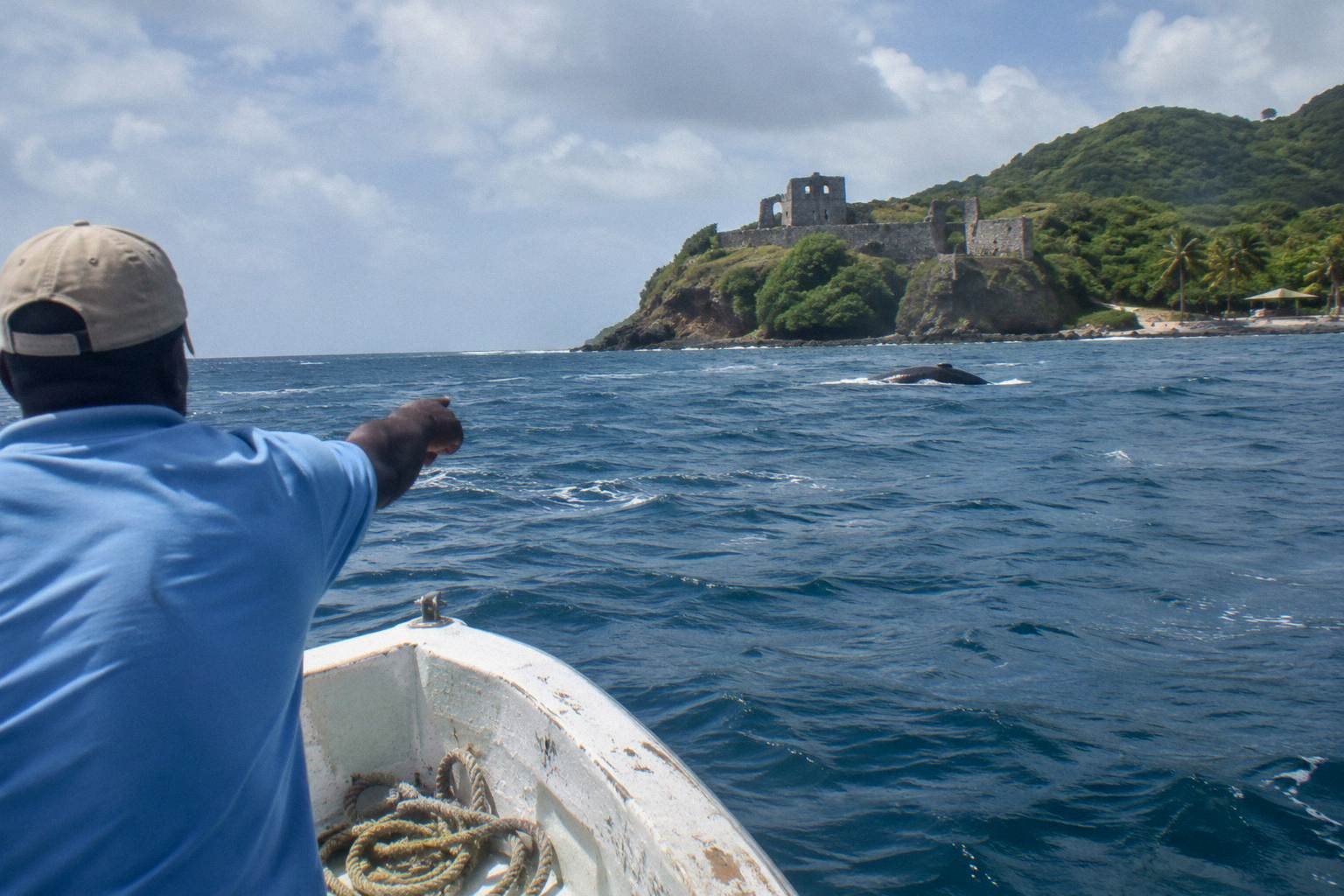
Pilot whales and sperm whales are the year-round whales: pilot whales in resident family pods that can sometimes be seen any month, sperm whales considered resident in the region and occasionally sighted in the deeper water. Humpback whales are seasonal, passing through between about February and April, with some operators reporting them from December; from May to November treat humpbacks as unlikely. That is the whole calendar, and the tourist board publishes it in exactly those terms.
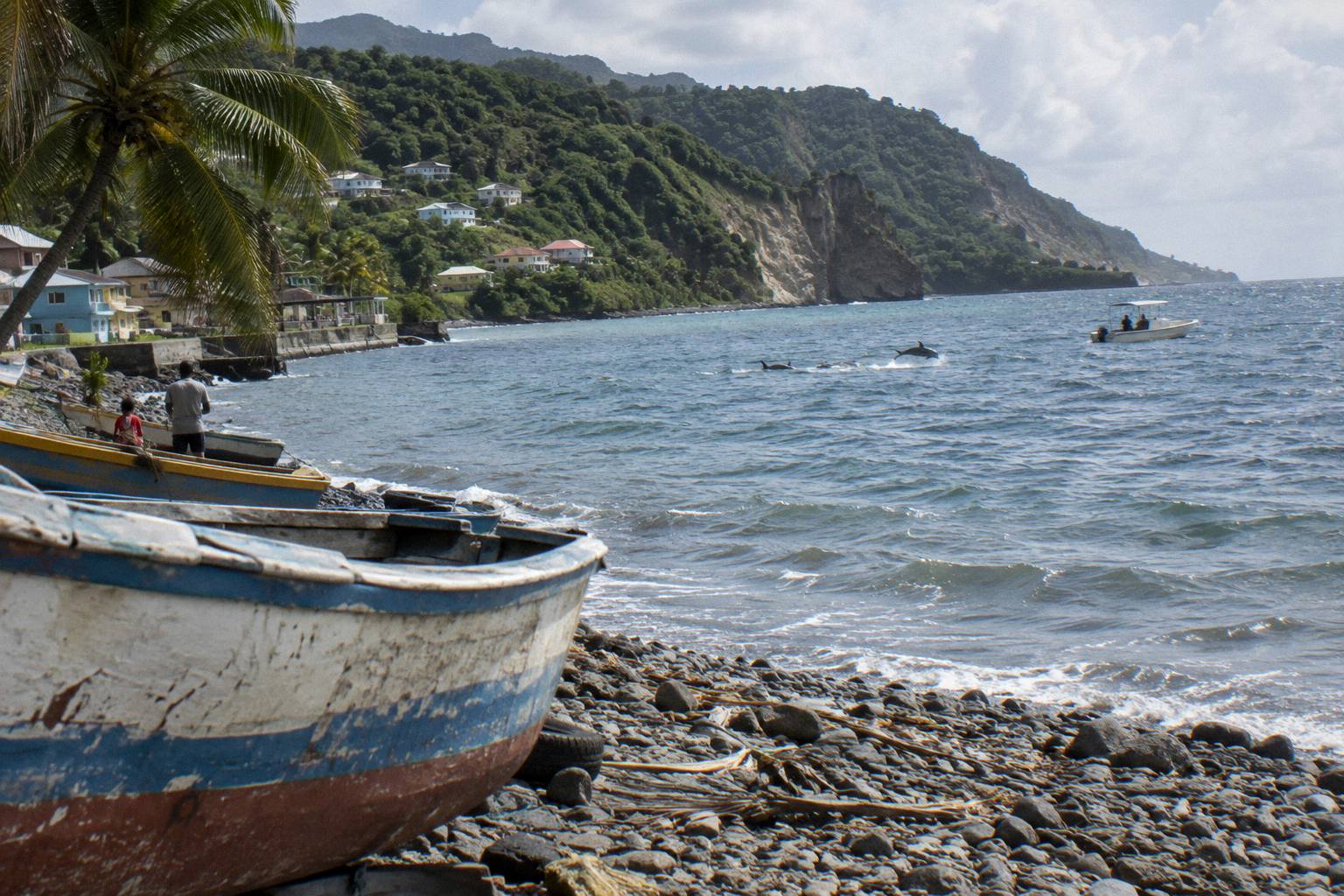
The humpback window deserves the planning attention, because it is the only part of the calendar that changes what a trip might find. Between about February and April, humpbacks migrate through the region, and a west coast trip in those months carries the chance of a breaching or fluking humpback on top of everything else. Some operators report them from December, which is why the shoulder months are worth a question at booking. From May through November, the honest position is that humpbacks are unlikely, and the trip's chances rest on the year-round residents: dolphins, pilot whales and the deep-water sperm whales. The month by month planning guide walks through this in more detail.
Sperm whales are the special case on this coast. The Eastern Caribbean population they belong to is the one the Dominica Sperm Whale Project studies, and no count or population estimate for Saint Lucia's waters exists to print. What is printable is the official wording: resident in the region, occasionally sighted in deeper waters. Because the west coast's deep water sits close to shore, "deeper waters" here can mean water a short run from Castries, which is why the sperm whale chance is part of a standard morning trip rather than a specialist expedition. The sperm whales year round guide covers their habits properly.
| What the sources say | Dolphins and pilot whales | Humpback whales | Sperm whales | Typical sea conditions |
|---|---|---|---|---|
| December | Seen year-round | Some operators report from this month | Deep water, occasional | Typically calmer period begins |
| January | Seen year-round | Approaching the window | Deep water, occasional | Typically calmer |
| February to April | Seen year-round | Official passing window | Deep water, occasional | Typically calmer period ends in May |
| May to November | Seen year-round | Unlikely | Deep water, occasional | Hurricane season runs June 1 to November 30 |
Two cautions on that table. It is a planning table of what the official sources say, not a record of sighting rates, because no month by month sighting rates exist and none are invented here. And the hurricane season line is official dates only: the Atlantic season runs June 1 to November 30, and trips run with sea conditions monitored, but the season is never a reason that sightings fail. What matters practically is that seas are typically calmer from December to May.
What About Turtles And Other Sea Life?
Turtles are not part of what the two trips describe. Neither trip's listing names turtles among the animals it looks for, and this page covers the animals the trips do name: the dolphins, pilot whales, sperm whales and seasonal humpbacks above. Sea birds, flying fish and the west coast scenery come free with the boat, but no trip here sells a turtle experience.
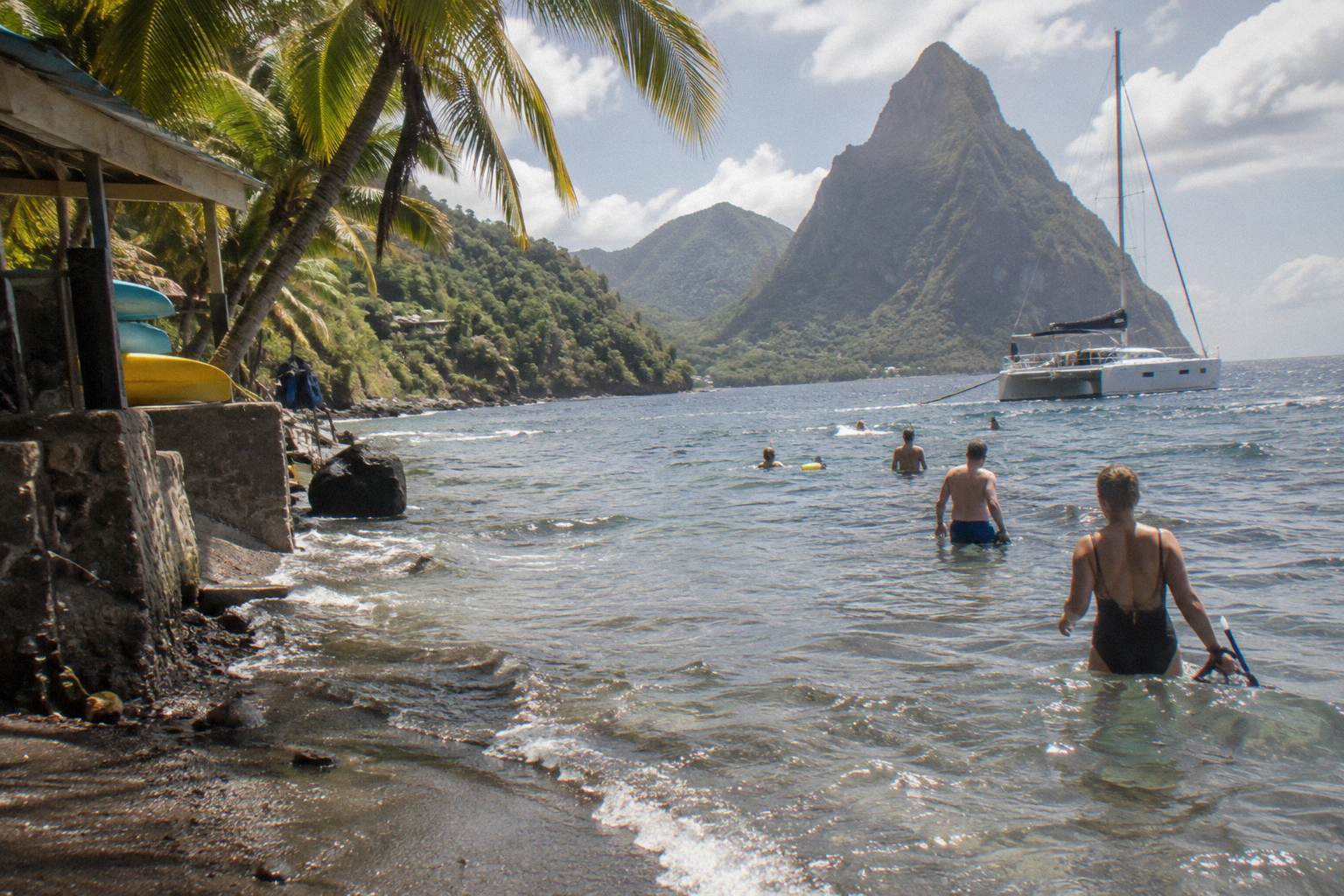
It is a fair question to ask, because the Caribbean is turtle country and Saint Lucia's beaches and reefs do host them. But a whale and dolphin trip's route and search pattern are built around cetaceans: the boats work the drop-off and the offshore water where dolphin pods and pilot whale families travel, not the reef and beach habitat where turtles are most often spotted. A reader specifically set on turtles should look at a reef or snorkel outing rather than a whale trip, and should not book either trip here expecting one.
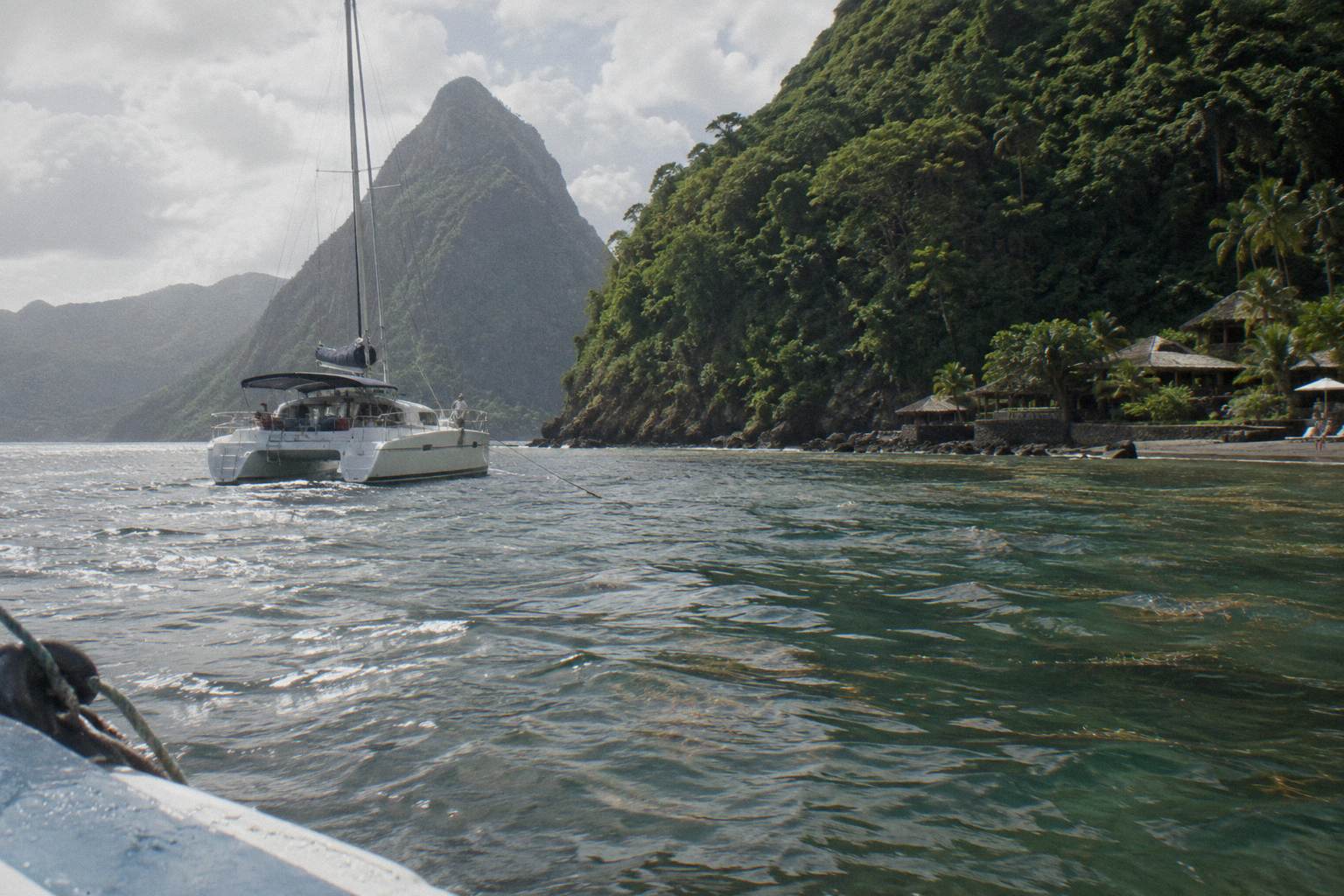
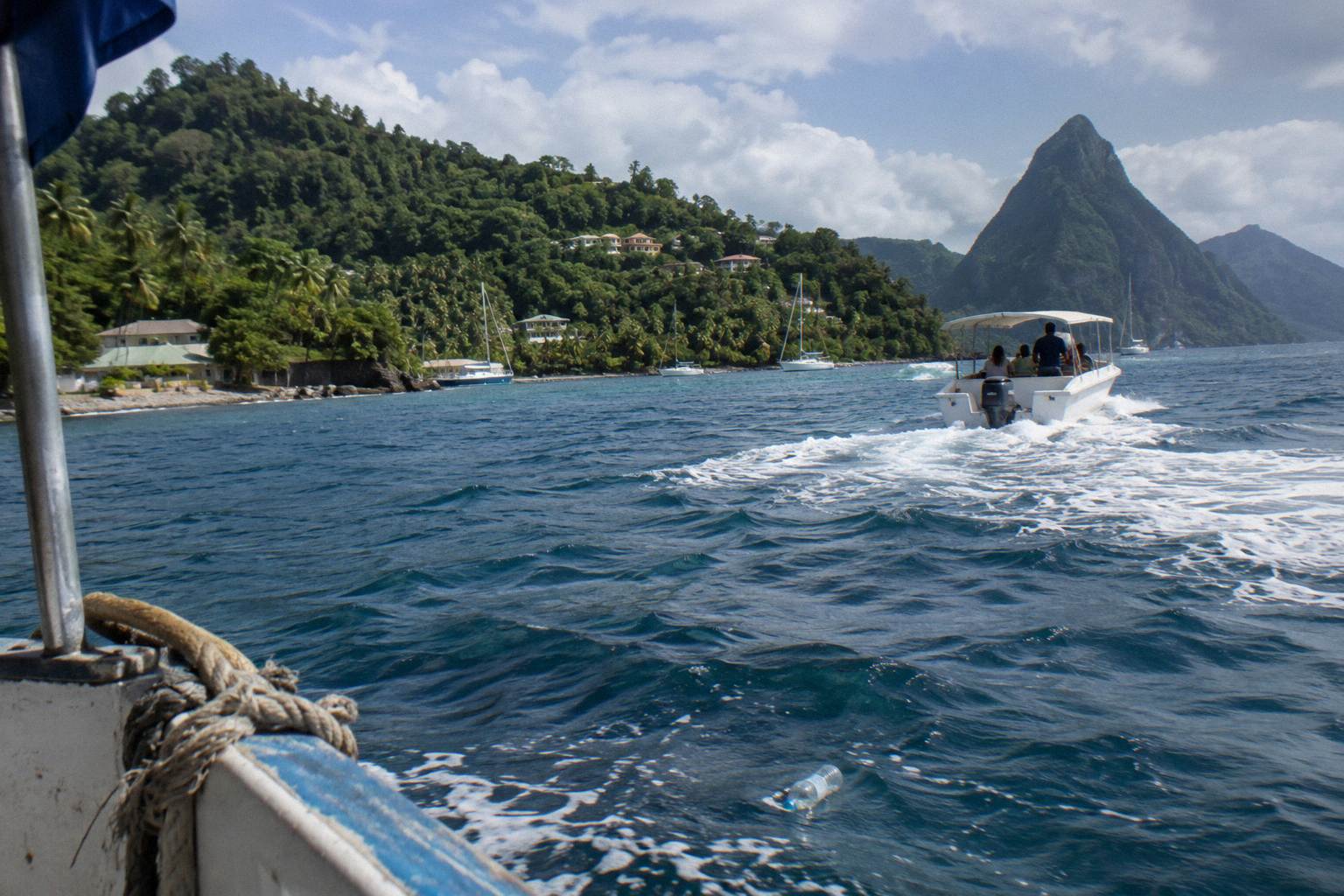
The other sea life you genuinely do get is the setting itself. The trips follow the Caribbean coast, with the island's volcanic slopes rising from the water, and the shared cruise's listing specifically promises west coast views. Sea birds work the same water the dolphins do, and flying fish skip ahead of the bow often enough that crews point them out. None of it is a promised sighting, but all of it is the ordinary texture of a morning offshore on this coast.
For a group that wants the marine life morning to itself, the private safari from US$2,550.65 per boat, about 4 hours for up to 40 guests on a 50 ft catamaran, is the dedicated option. It rates 4.5 from 75 reviews, includes a guide plus drinks, snacks and local fruit, and adds cruise ship pier pick-up and drop-off, which the shared cruise does not. Free cancellation applies up to 24 hours before departure, and the trip is cancelled free for bad weather.
How Does Deep Water Shape What You See?
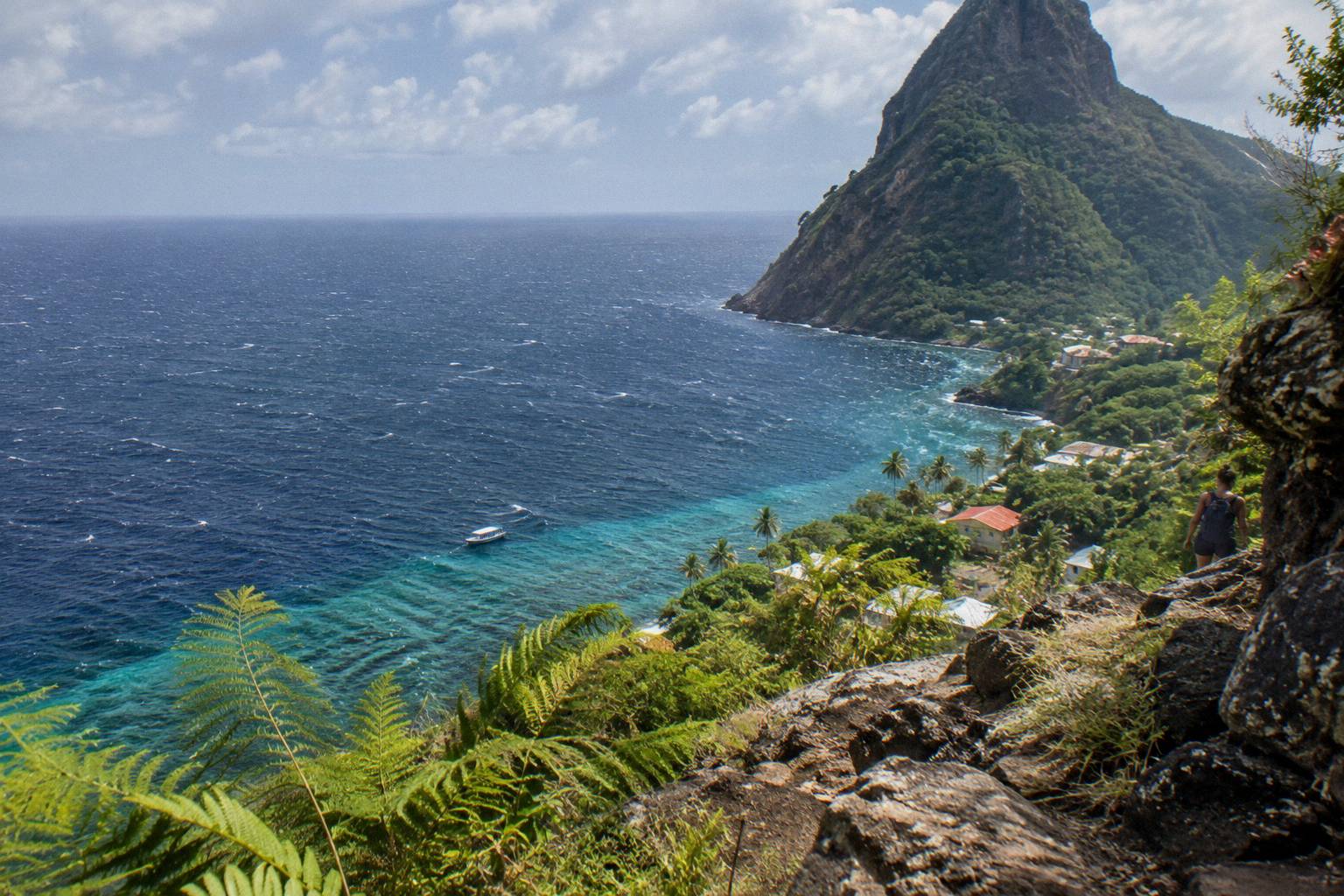
The west coast's defining feature is that deep water lies close to shore, so the offshore species, sperm whales, spinner and spotted dolphins, are reachable on a short run rather than a long expedition. Boats follow the Caribbean coast, and the trips usually last about three to four hours, leaving in the morning from the north-west around Castries and Rodney Bay. Geography, more than anything else, is why Saint Lucia whale watching works as a morning trip.
Most whale watching destinations ask for a half day of open ocean before reaching productive water. Here, the seafloor shelves away steeply off the west coast, which is why the tourist board notes that deep coastal waters increase the likelihood of encounters close to shore. That single fact organises everything about the trips: the short run out, the about 3.5 hour shared cruise and about 4 hour private safari, and the realistic chance of spinner dolphins or a pilot whale pod without committing a whole day.
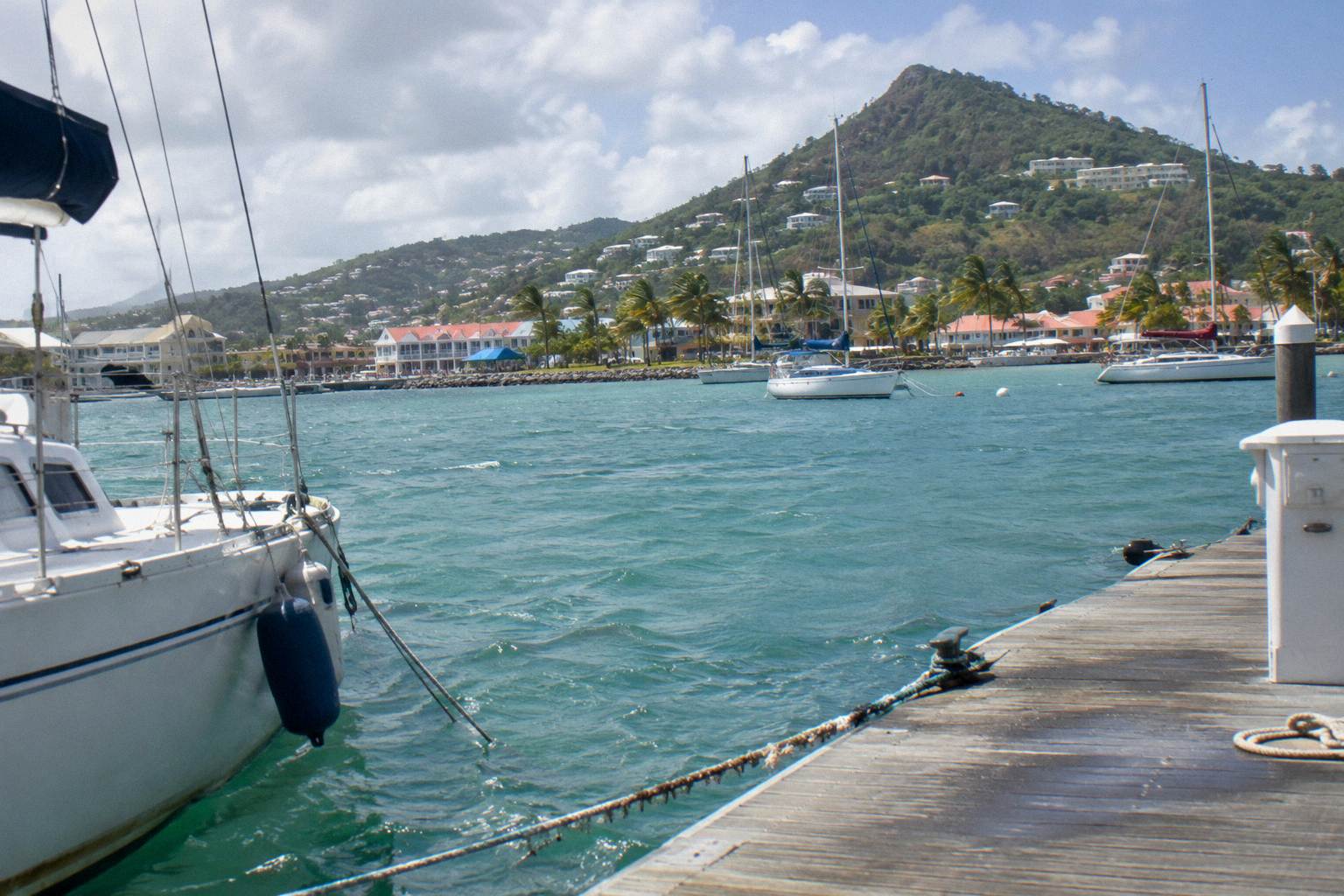
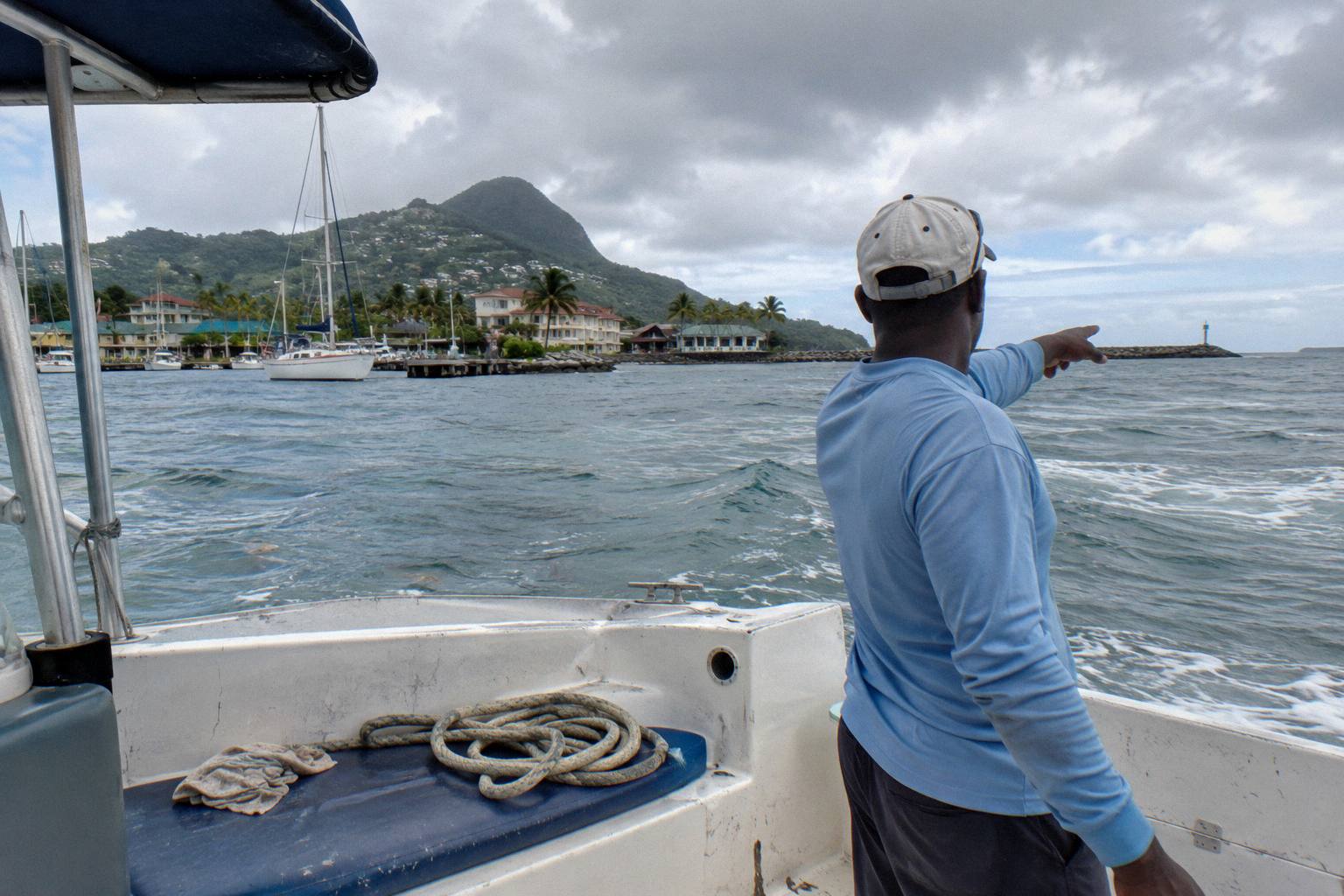
Both trips covered on this site depart Vigie Marina in Castries Harbour, beside the island's George F. L. Charles airport, and a short distance from the Pointe Seraphine cruise terminal. The official trip pattern names the north-west generally, around Rodney Bay and Castries, but these are the two actual departures. Vigie Marina works for hotel guests and cruise passengers alike, and taxis are readily available; there is no hotel pick-up on either trip, so the marina is where the morning starts. The Castries cruise port guide covers the port logistics in detail.
The deep water also explains the species mix. Bottlenose dolphins, comfortable nearer the coast, share the same general area as the offshore spinner and spotted dolphins because the boundary between coastal and offshore water sits close together here. The sperm whale chance exists at all because the deep water it needs is within a trip's range. Even the humpback window benefits: a migrating humpback passing the region in February to April is likely to be working the deeper water off this same coast.
What Should You Ask The Operator?
Ask five things before you book: which species are being seen this week, what the sea conditions are doing, what the cancellation terms are, whether the timing works for a cruise ship day, and whether the boat suits anyone in your party prone to motion sickness. Each question has a real answer, and the operator or the live listing can give all five. None of them is awkward to ask, and together they cover most of what goes wrong.
The first question is the fun one. Dolphin and pilot whale presence is a year-round fact, but what the boats are actually finding varies week to week with weather and the animals' movements, so asking is the only way to know. The sea conditions question matters for comfort, and the official advice is to ask about boat size if you are prone to motion sickness, which is better done at booking than at the dock. The seasickness blog post takes that topic further.
| Question to ask | Why it matters | Where the answer stands |
|---|---|---|
| What is being seen this week? | Sightings are chances that vary with weather and movement | Ask the operator when booking |
| What are the sea conditions? | Comfort and whether the trip runs | Operators monitor sea conditions |
| What are the cancellation terms? | Plans change and weather cancels trips | Free up to 24 hours before on both trips |
| Does the timing suit a ship day? | Cruise passengers work to an all-aboard time | Check the ship's time and ask the operator |
| How big is the boat? | Matters if prone to motion sickness | 60 ft shared boat; 50 ft private catamaran |
On cancellation, both trips allow free cancellation up to 24 hours before departure, and the private safari is additionally cancelled free for bad weather. The shared cruise's operator says that if the captain cancels for unsafe weather there is an alternative date or a refund. On cruise days, the private safari includes pier pick-up and drop-off, while the shared cruise leaves you a short taxi ride from Pointe Seraphine; check your ship's all-aboard time and ask the operator about timing, because the trip lengths, about 3.5 and about 4 hours, are not counting the transfer to the marina. On children, no minimum age is printed for the shared cruise: children travel with an adult, and it is best to ask the operator when booking.
Common Mistakes About Marine Life
The common mistakes are all expectation errors: booking a whale trip for turtles, expecting humpbacks outside the February to April window, treating any sighting as guaranteed, assuming a percentage chance exists somewhere, and expecting to swim with the animals. Every one of these is avoidable with the facts already on this page, and none of them is the operator's fault. Here is each one, and the correction.
The turtle mistake is the most frequent. Readers see "marine life" and picture a reef trip; the whale and dolphin trips describe dolphins and whales, and no turtle sighting is part of what they sell. The humpback mistake follows the seasons in reverse: a July visitor hoping for a humpback is hoping against the calendar, since May to November treats them as unlikely, while a March visitor has chosen the window well. The guarantee mistake is the one operators fight hardest against, because sightings depend on weather, season and the animals' movements, and no honest operator promises one.
| Mistake | The correction |
|---|---|
| Booking a whale trip to see turtles | Turtles are not part of what the trips describe |
| Expecting humpbacks in summer | Humpbacks pass through about February to April; unlikely May to November |
| Believing a sighting is guaranteed | Every sighting is a chance; none is promised |
| Hunting for a sighting percentage | No reliable rate exists; operator claims conflict |
| Expecting to swim with dolphins or whales | Swimming is not offered on either trip |
Two quieter mistakes round it out. The first is treating an unfamiliar animal as rare or exotic when it is a common misidentification: the pilot whale versus false killer whale question comes up often, and the right answer is that a guide identifies what is in front of the boat rather than a passenger guessing from a field guide. The pilot whale identification post goes deep on it. The second is underestimating the year-round cast: visitors fixated on humpbacks sometimes overlook that spinner dolphins, pilot whales and the deep-water sperm whale chance are available in every month, which makes any week of the year a reasonable week to go.
The shared cruise remains the straightforward way to put all of this into practice: about 3.5 hours, morning departure, a local marine expert aboard, from US$65 per person, rated 4.5 from 200 reviews, with instant confirmation and free cancellation up to 24 hours before. Group size is not published, so ask when booking if the crowd matters to you, and remember that the shared cruise at US$65 per person is US$130 for 2, US$260 for 4, US$390 for 6. Children travel with an adult, and the operator can confirm the details that suit your party. To dig further into whether the morning delivers, the worth it question is answered separately, and St Lucia Whale Watching keeps the full picture in one place.
Common Questions About Marine Life On Saint Lucia's West Coast
Are There Dolphins Near Saint Lucia?
Yes. Spinner dolphins are frequently sighted year-round, and pantropical spotted and bottlenose dolphins are common in the waters the west coast trips work. Fraser's, Risso's and striped dolphins are recorded less often. Every sighting is a chance rather than a promise, but dolphins are the most reliable part of the marine life here in any month.
Can You See Whales In Saint Lucia All Year?
Dolphins and pilot whales can be seen year-round, and sperm whales are considered resident in the region and occasionally sighted in the deeper water. Humpback whales are the seasonal addition, passing through between about February and April. From May to November, treat humpbacks as unlikely.
Are There Turtles On The Whale And Dolphin Trips?
Turtles are not part of what the trips describe. Neither trip's listing names turtles among the animals it looks for, and the boats work the offshore water where dolphins and whales travel rather than reef habitat. The trips cover the dolphins, pilot whales, sperm whales and seasonal humpbacks named in their descriptions.
What Is The Best Month For Marine Life In Saint Lucia?
Any month offers dolphins, pilot whales and the sperm whale chance. February to April adds the humpback passage, and seas are typically calmer from December to May, which makes that stretch the popular planning window. No month by month sighting rates exist, so the honest planning tool is the season, not a percentage.
Do You Get To Swim With The Dolphins Or Whales?
No. Swimming with whales or dolphins is not offered on either trip and is never suggested. Responsible viewing from Saint Lucia means a slow approach, no chasing, no touching or feeding, and space for the animals to move on, with licensed operators following regulated distance guidelines.
Which Trip Is Better For Seeing Marine Life?
Both trips work the same west coast water and carry a marine expert or guide aboard, so the marine life chances are the same. The shared cruise, from US$65 per person for about 3.5 hours, suits individuals and couples; the private safari, from US$2,550.65 per boat for about 4 hours with up to 40 guests, suits a group that wants the boat to itself. The choice is format and budget, not species.