Saint Lucia Boat Days Compared: Whale Cruise Versus Catamaran And Snorkel
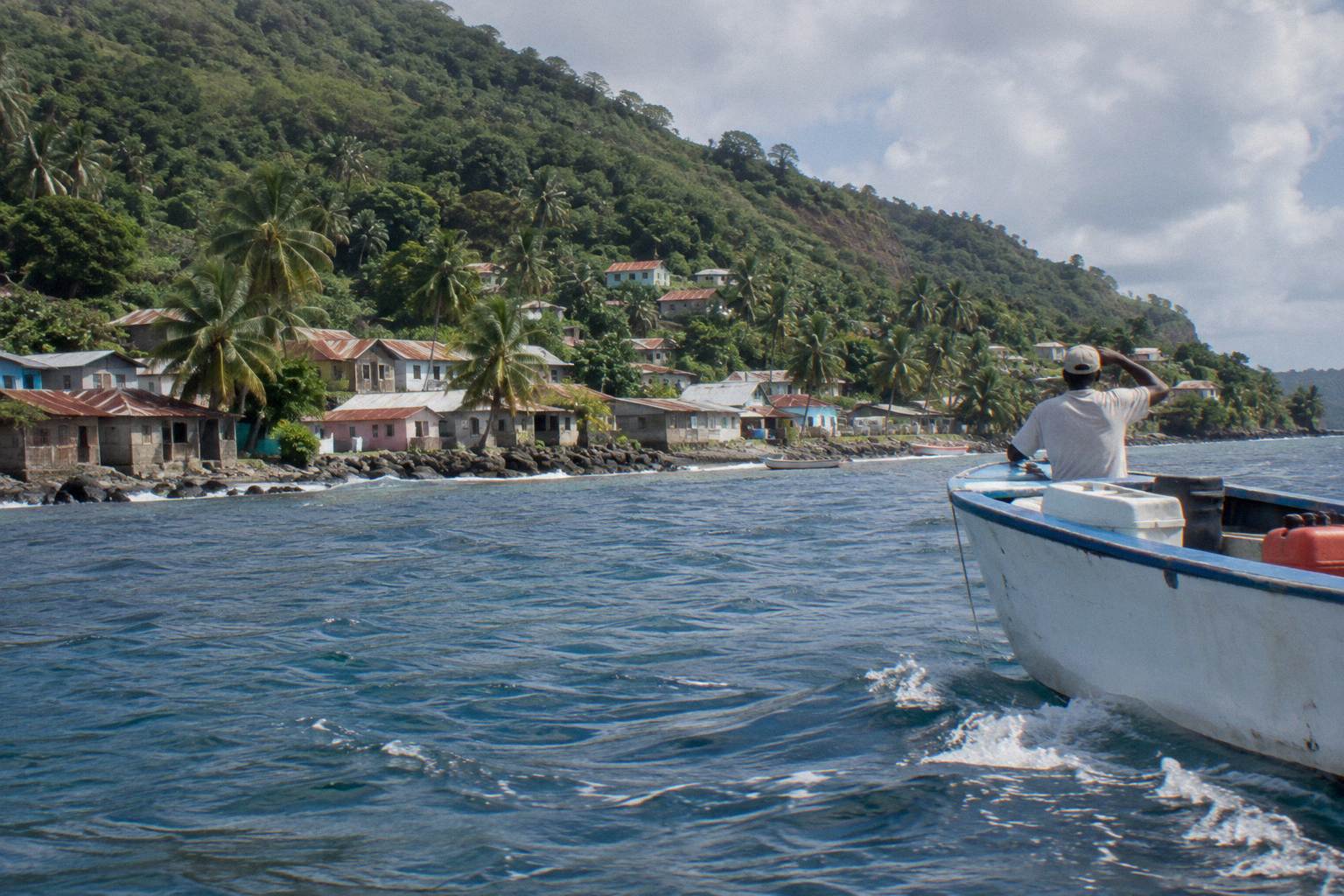
Two kinds of sea day compete for the same slot on a Saint Lucia itinerary: a whale and dolphin watching cruise that goes looking for animals, and a catamaran or snorkel day built around water, coast and swimming. Here is how the choice actually breaks down.
Short answer
Pick a whale and dolphin cruise if the animals are the point: the shared trip runs about 3.5 hours from US$65 per person. Pick a catamaran or snorkel day if you want swimming and coastline. From February to April the humpback window tilts the balance toward the whale boat; dolphins and pilot whales are possible all year.
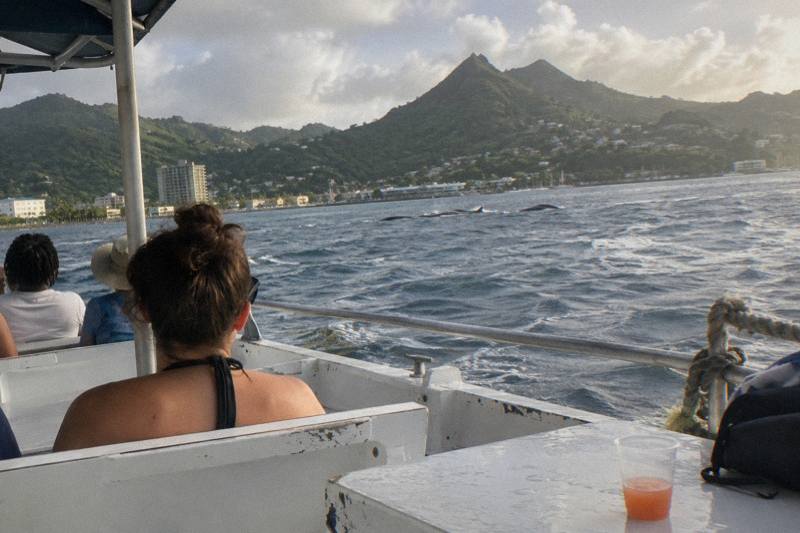
One morning in Saint Lucia, one free slot on the itinerary, and two very different boats leaving the harbour. The whale and dolphin watching cruise heads offshore to look for animals; the catamaran or snorkel day hugs the coast, drops anchor and hands you a mask. Both are honest ways to spend three or four hours on the Caribbean. They are simply not the same product, and the mistake travellers make is treating them as interchangeable.
This guide compares them properly. On the whale side the facts are firm: the shared whale and dolphin cruise run by Captain Mike's departs Vigie Marina in Castries on a custom 60 ft boat, lasts about 3.5 hours and costs from US$65 per person, and Hackshaw's private whale and dolphin safari is a 50 ft catamaran charter from US$2,550.65 per boat for up to 40 guests. On the catamaran and snorkel side, no product, price or route claims appear here at all, because those details belong to other operators' listings. What this page gives you instead is decision logic: what each kind of day is for, and exactly what to ask before you hand over money.
Whale Cruise Or Catamaran Day: Which Boat Day Fits You?
Choose the whale and dolphin cruise if seeing animals is the reason you are getting on a boat, and choose a catamaran or snorkel day if your priority is swimming, coastline and time in the water with a drink in hand. The whale cruise is a search; the snorkel day is a destination. Neither substitutes for the other, and travellers who pick the wrong one usually picked it for the wrong reason.
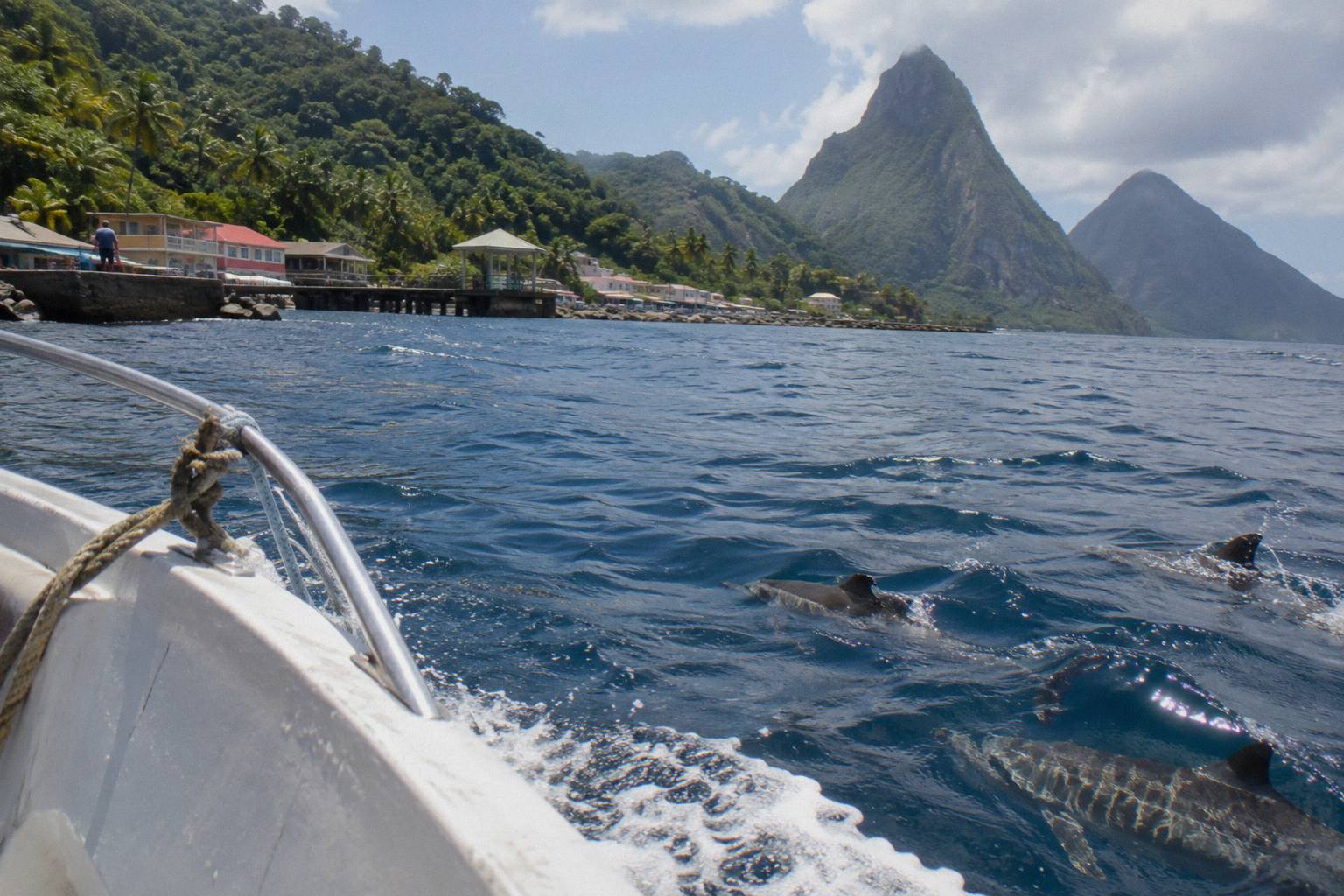
The honest starting point is the animals. Off Saint Lucia's west coast, spinner dolphins are frequently sighted year-round, pantropical spotted and bottlenose dolphins are common, and pilot whales live in resident pods that can sometimes be seen through the year in close family groups. Sperm whales are, in the tourism board's own wording, considered resident in the region and occasionally sighted in deeper waters. If that list excites you, the whale cruise is your day. Sightings always depend on weather, season and the animals' own movements, so no sighting is ever a promise, but the search itself is the product.
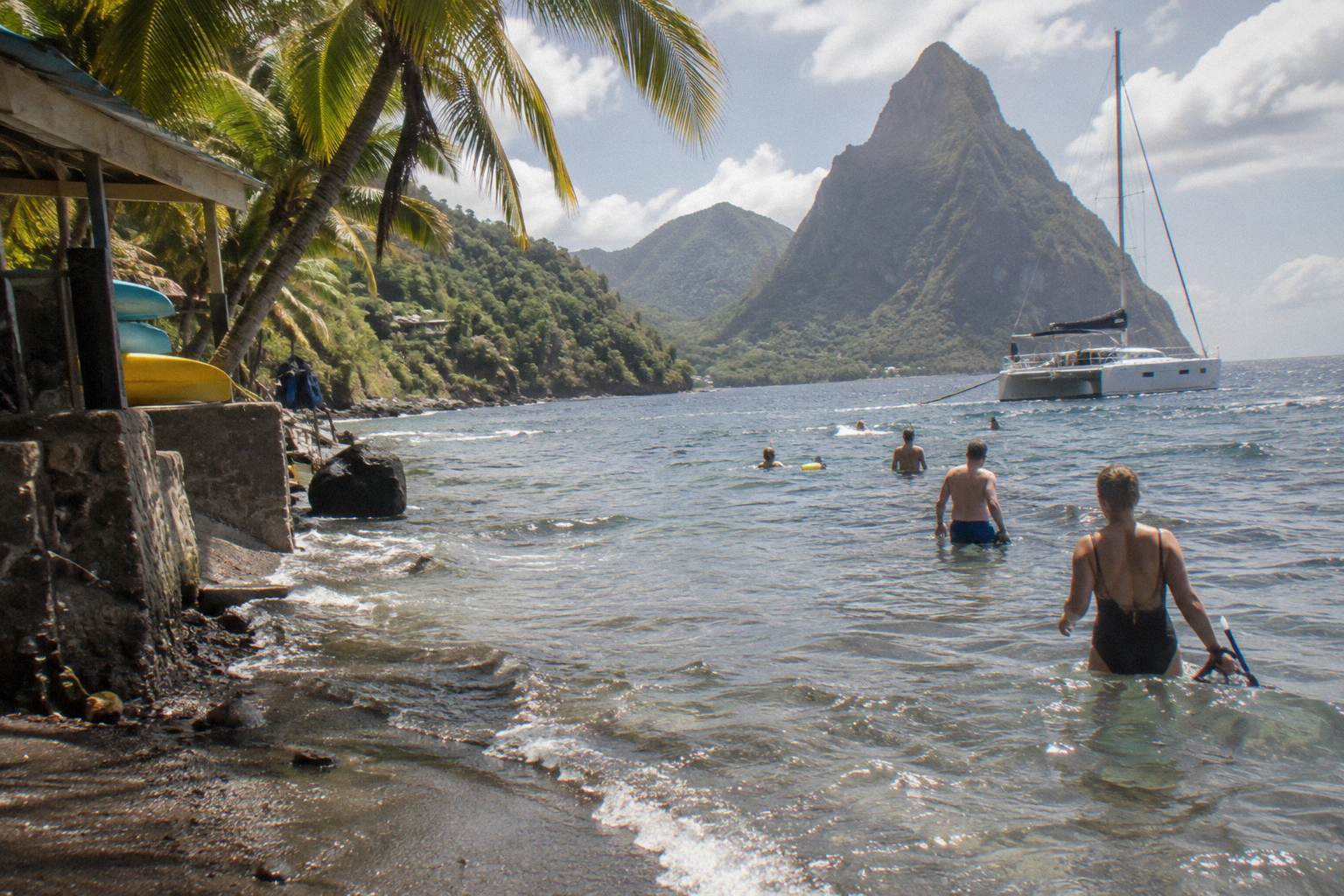
The catamaran and snorkel day answers a different desire. You are buying water time: anchoring somewhere to swim, drifting along the coast, and a generally relaxed pace with shade and drinks. It is the better fit for travellers who get restless on a boat that is mostly looking rather than stopping, for strong swimmers who want to be in the sea rather than on it, and for anyone who has already done a wildlife trip elsewhere. The trade-off is simple: a snorkel day spends most of its time where the fish are, and the whales and dolphins are chancy bycatch rather than the mission.
If you are here because the animals matter, the deeper background is in our guide to what to expect on a whale and dolphin watching trip in Saint Lucia. If your week could stretch to two sea days, keep reading: the final section covers how to fit both.
What Is The Purpose Of Each Kind Of Boat Day?
A whale and dolphin cruise exists to find and observe cetaceans from the boat, with a guide or marine expert interpreting what you see; a catamaran or snorkel day exists to deliver a pleasant time on and in the water, usually with stops for swimming. The whale cruise measures itself by the quality of the encounter, the snorkel day by comfort and scenery. That difference shapes everything else, from boat to schedule.
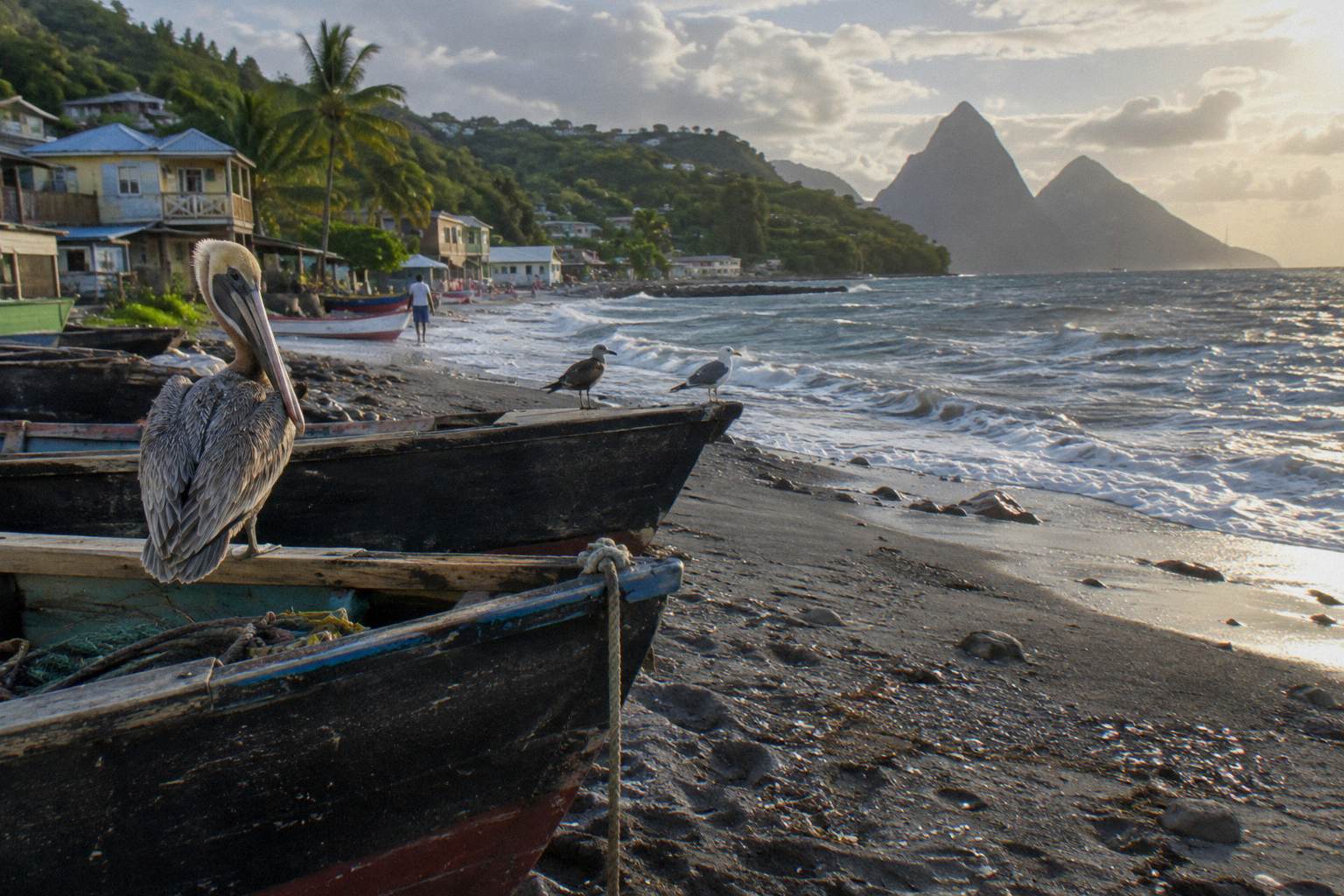
On the whale side, the purpose shows up in the crew. The shared cruise carries a local marine expert whose job is spotting, identification and context: which dolphins are bow-riding, whether that dark shape offshore is a pilot whale, and what the animals are doing. Observation follows rules. Licensed operators follow regulated distance guidelines, limit time near the animals, provide life jackets and safety briefings and monitor sea conditions; the approach is slow, with no chasing, no touching and no feeding, and space for the animals to move on. That is responsible viewing, and it is also what a genuine whale trip feels like: patient, watchful, and quiet when something appears.
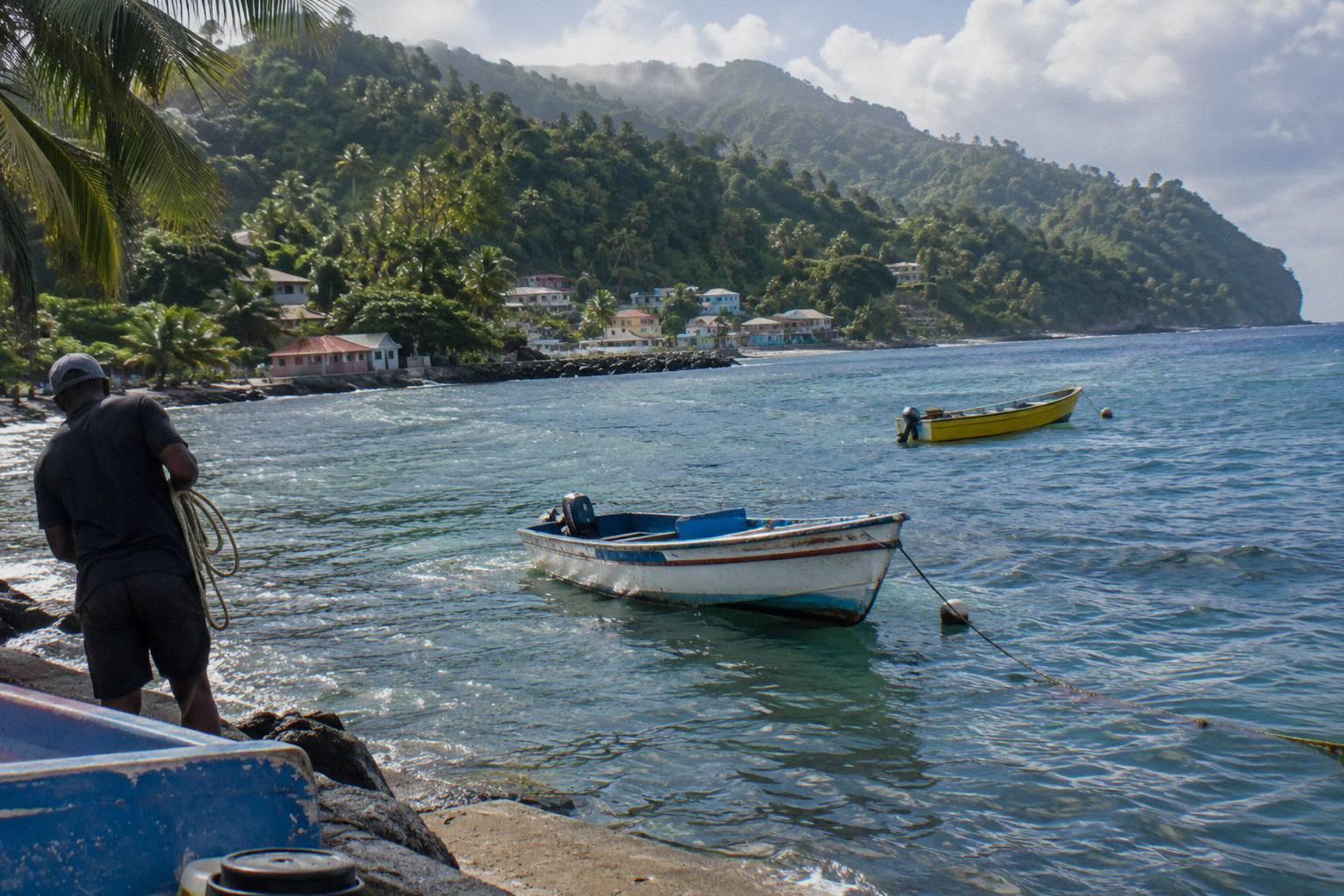
A snorkel or catamaran day has a different rhythm. Its pleasures are immediate: sun, water, a coastline sliding past, and time at anchor. Nothing is wrong with that. But when a catamaran advertises "dolphins if we're lucky," that is a bonus, not a plan, and it deserves the same caution you would apply to any incidental claim. The distinguishing question is whether wildlife drives the route or merely decorates it.
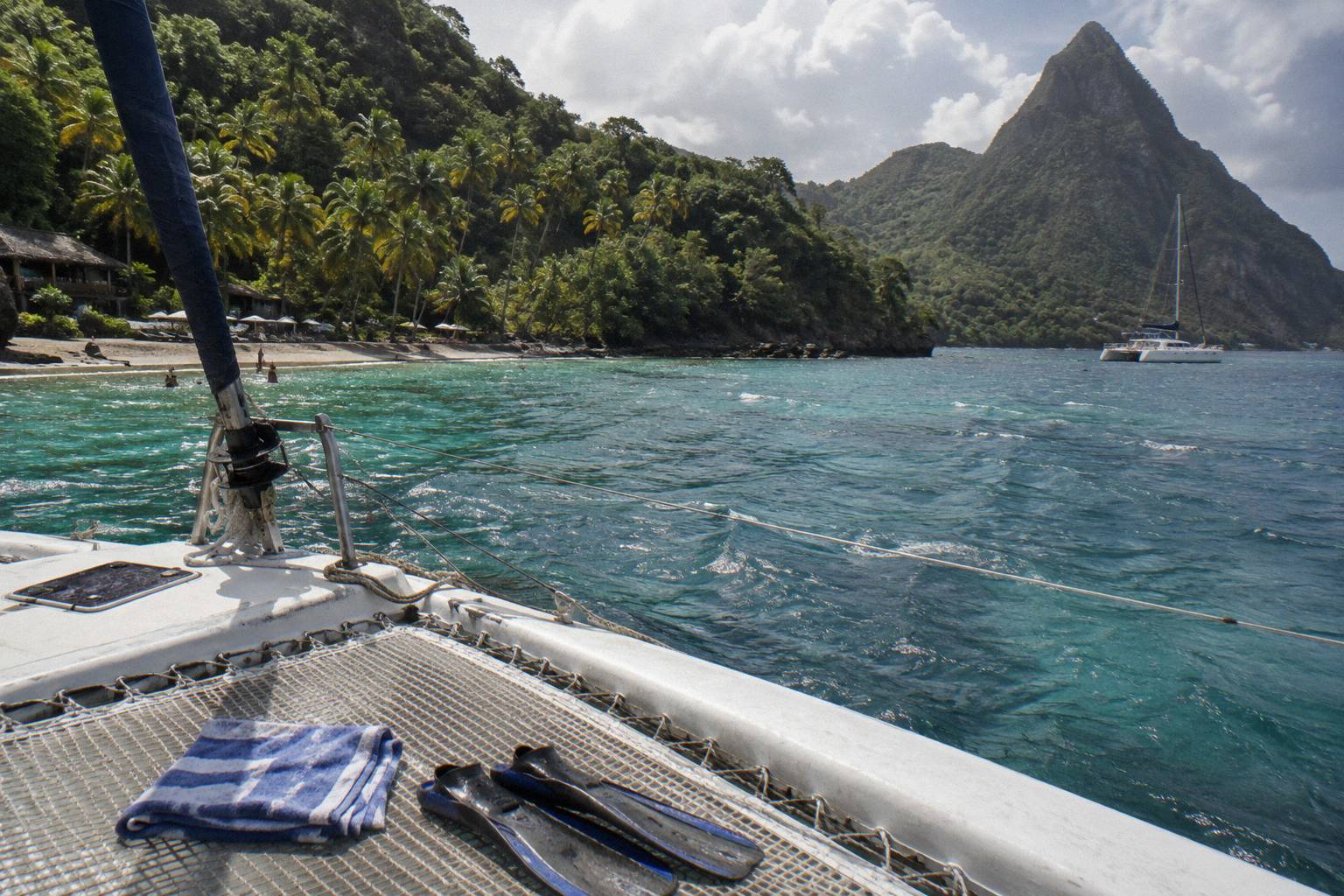
There is a third shape worth naming because it confuses the comparison: the private charter. Hackshaw's Private Premium Whale and Dolphin Safari is a 50 ft catamaran, but it is a whale and dolphin trip, private to your group, with a guide aboard, running about 4 hours with up to 40 guests. So "catamaran" is a hull type, not a purpose. Decide the purpose first, then the vessel. The boat a wildlife trip uses, from the shared 60 ft cruiser to the private catamaran, serves the search; a pleasure catamaran serves the swim stop.
How Do Length And Price Compare?
The shared whale and dolphin cruise runs about 3.5 hours from US$65 per person, and the private whale safari runs about 4 hours from US$2,550.65 per boat for the whole group, while catamaran and snorkel days in Saint Lucia generally occupy a similar half-day window at prices this page does not quote because those products are outside its verified facts. Length is comparable across all of them; price basis is what actually differs.
Start with the two whale trips, since they are the ones with printable figures. The shared cruise, from US$65 per person for about 3.5 hours, includes a local marine expert, bottled water, soft drinks and rum punch; gratuities and hotel pick-up are not included. For illustration, not a quote: the shared cruise at US$65 per person is US$130 for 2, US$260 for 4, US$390 for 6. The price varies by date and group, and the booking page confirms it. It rates 4.5 from 200 reviews.
The private safari is priced per boat, never per person: from US$2,550.65 for the whole group, up to 40 guests, about 4 hours. For illustration, not a quote: US$2,550.65 shared by 4 guests is about US$637.66 each; by 6 about US$425.11; by 8 about US$318.83; by 12 about US$212.55. It rates 4.5 from 75 reviews, includes a guide, drinks, snacks, local fruit and cruise ship pier pick-up and drop-off, and is cancelled free for bad weather. Never compare the two from-prices as if both were per person; the bases are different.
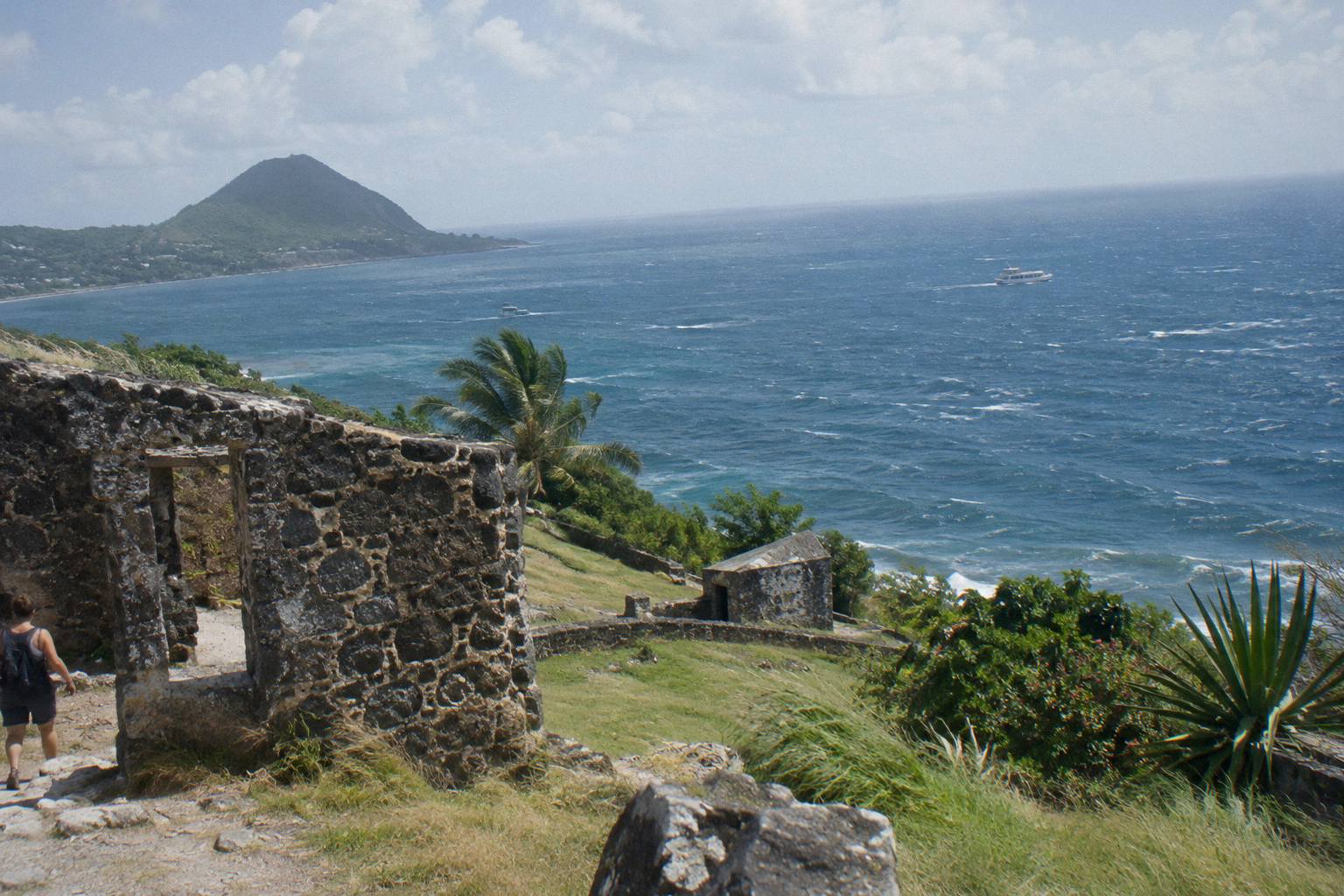
For catamaran and snorkel days, no verified figures appear on this site, so none are printed. As planning logic only: half-day sea experiences in the region typically sit between the two whale options on a per-person basis, with private charters of any kind costing multiples of a shared seat. Check the operator's live listing for the actual number, and treat anything you read elsewhere as unverified until the listing confirms it.
| Boat day | Verified price | Price basis | Length | What is included |
|---|---|---|---|---|
| Shared whale and dolphin cruise | From US$65 | Per person | About 3.5 hours | Marine expert, water, soft drinks, rum punch |
| Private whale and dolphin safari | From US$2,550.65 | Per boat, up to 40 guests | About 4 hours | Guide, drinks, snacks, fruit, cruise pier pick-up and drop-off |
| Catamaran or snorkel day | Not stated on this site | Varies by operator | Typically a half-day window | Ask the operator |
Cancellation matters as much as price. Both whale trips allow free cancellation up to 24 hours before departure on the booking path, and the private safari is cancelled free for bad weather; the shared cruise's operator says that if the captain cancels for unsafe weather there is an alternative date or a refund. Confirm the same terms on any catamaran or snorkel day before booking, and note that the private safari is not instant confirmation: the operator confirms the booking. Our fuller price walkthrough is the guide on what a whale and dolphin cruise costs in Saint Lucia.
What Do You Actually See On A Whale And Dolphin Cruise?
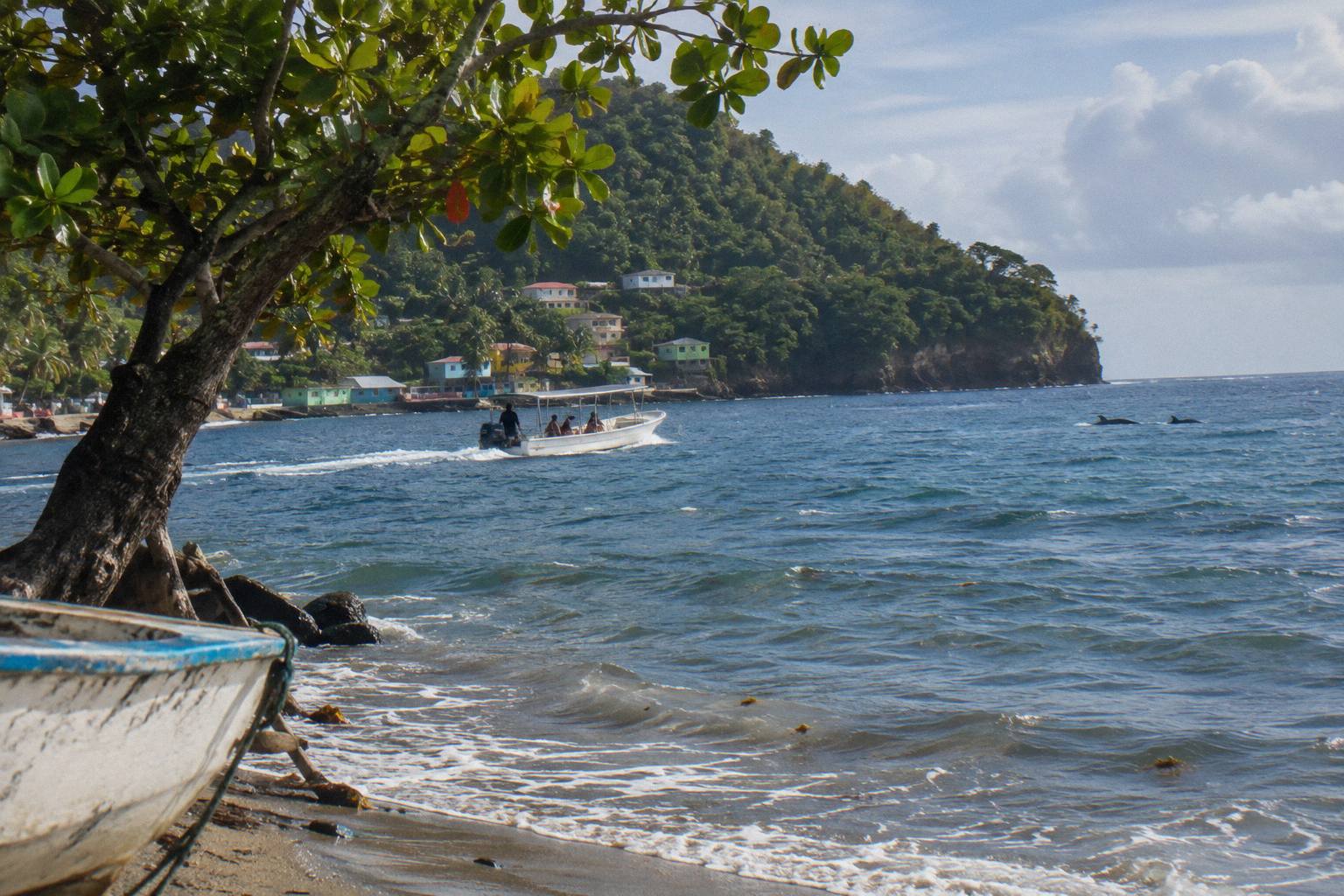
On the whale and dolphin cruise you are looking for spinner, spotted and other dolphins, pilot whales in resident family pods, sperm whales occasionally in deeper water, and humpback whales passing through roughly February to April; you also get the west coast of Saint Lucia from the sea. Every sighting is a chance, never a guarantee, and the boat follows the Caribbean coast where deep water lies close to shore.
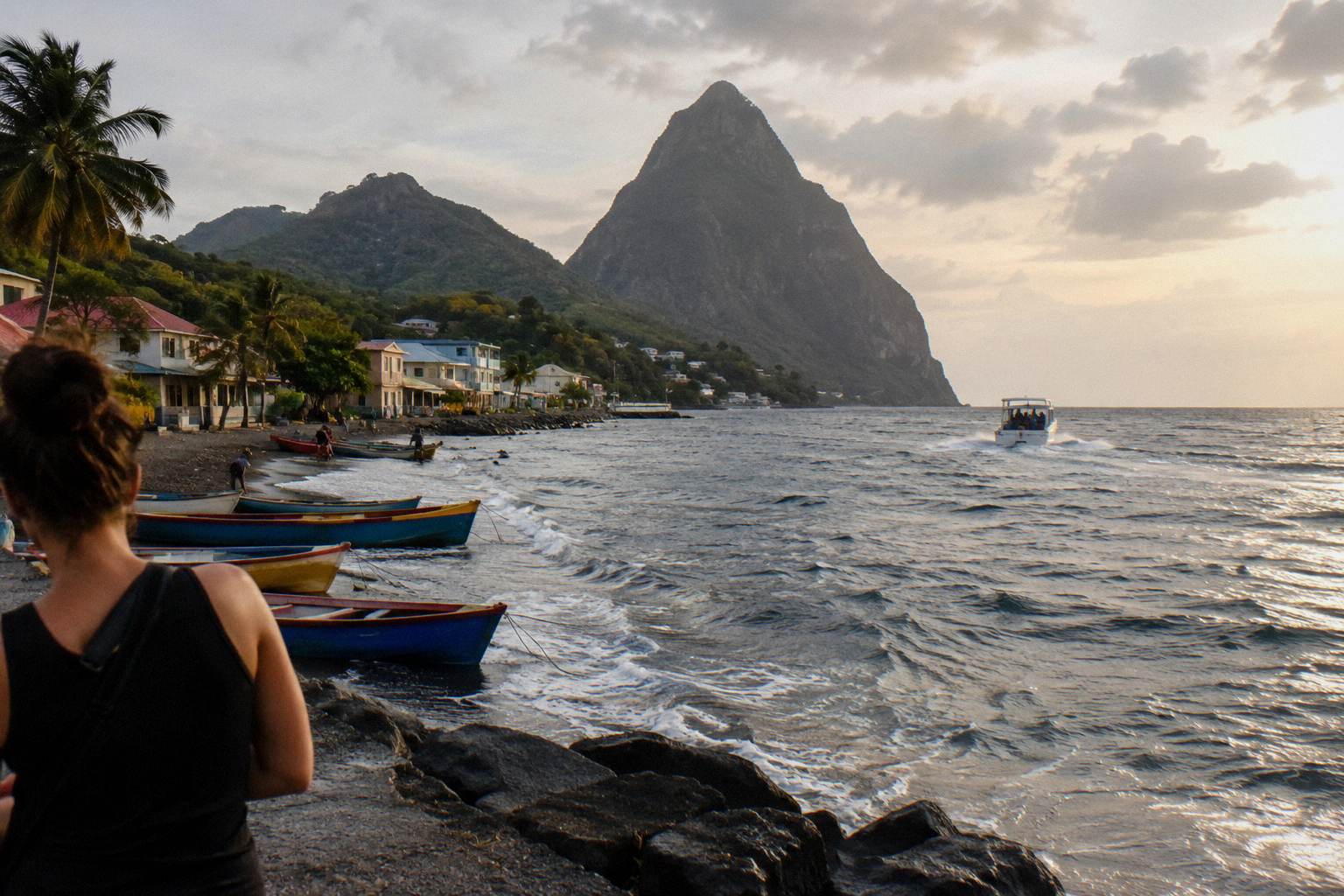
The species list for the shared cruise names sperm whales, humpbacks in season, pilot whales, and spinner, spotted, Fraser's and common dolphins, with views of the west coast. The tourism board's own wording is more conservative and worth holding onto: spinner dolphins are frequently sighted year-round, pantropical spotted and bottlenose dolphins are common, Fraser's, Risso's and striped dolphins are recorded less often, pilot whale pods can sometimes be seen through the year, and sperm whales are considered resident in the region and occasionally sighted in deeper waters. Orcas are rare visitors only.
The biology behind the trip is genuinely interesting. Deep water lies close to the west coast here, which is why animals can be seen not far off shore and why the boats follow the Caribbean coast rather than ranging far out. The sperm whales off Saint Lucia belong to the wider Eastern Caribbean population that the Dominica Sperm Whale Project studies, so the individuals you might glimpse are part of a regional story rather than a local head count, and no Saint Lucia population figure is published. Our species pages go deeper on dolphin species and where to look and on sperm whale pods off Saint Lucia.
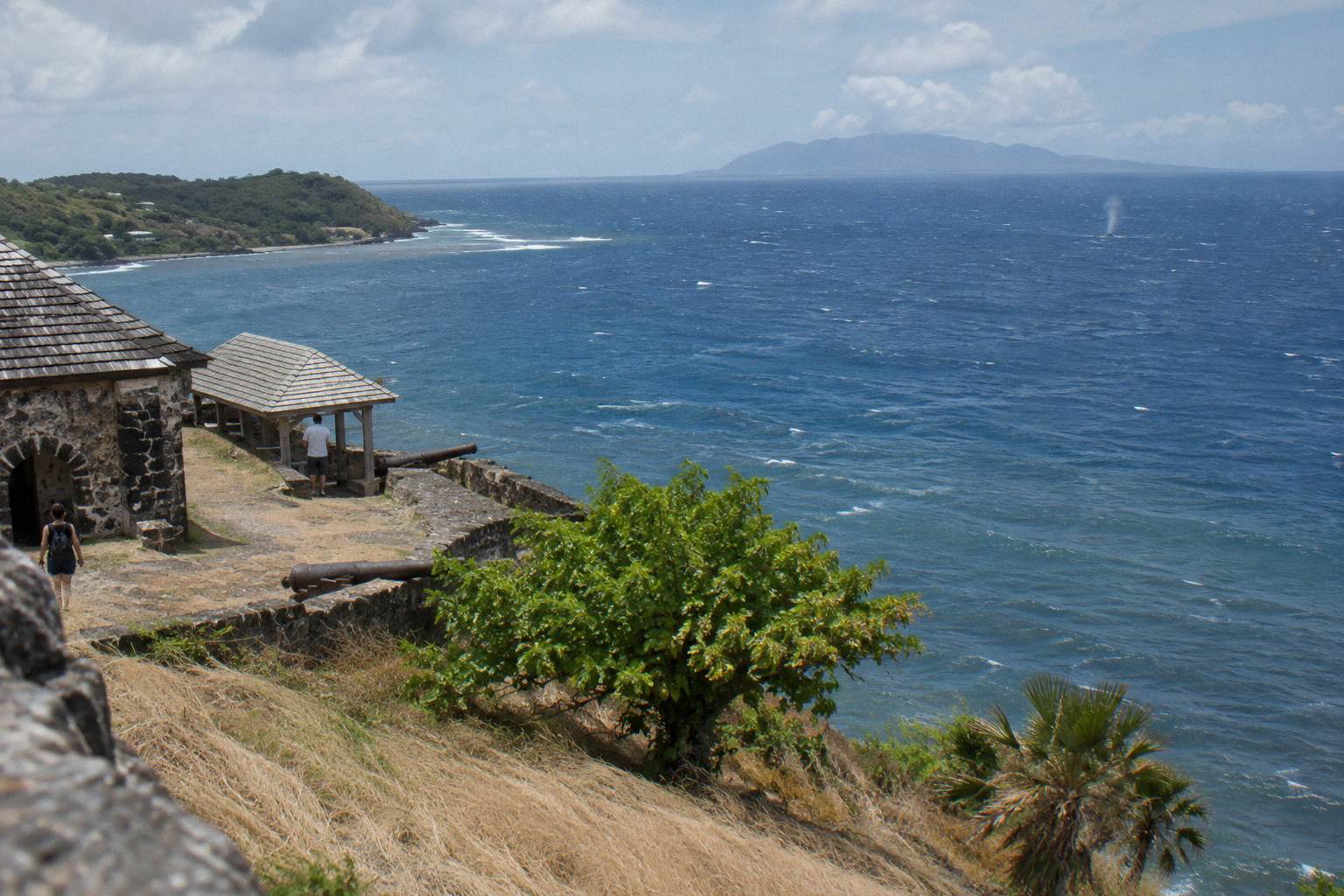
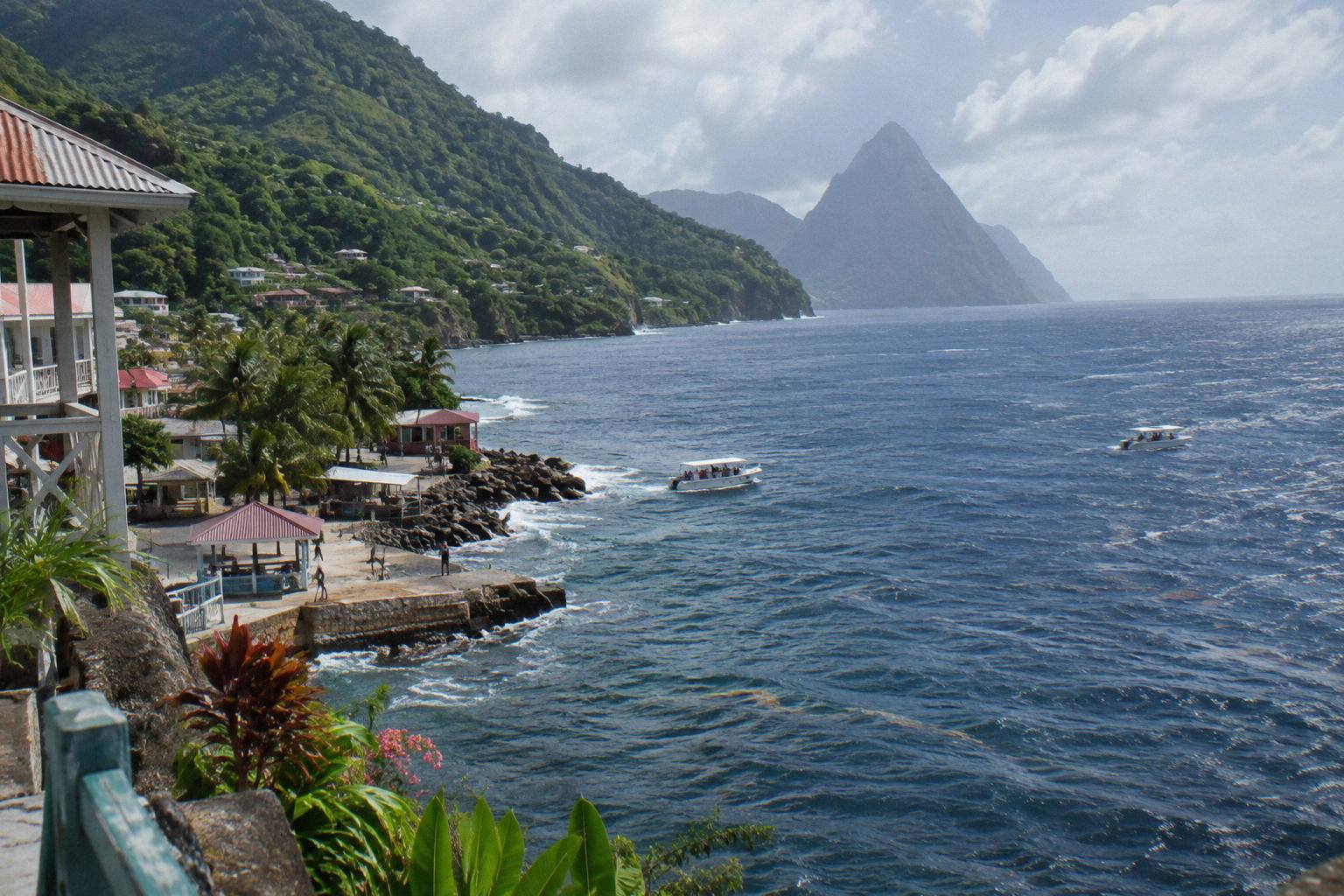
A catamaran or snorkel day shows you different things: reef fish, the underwater slope of the coast, and the island from the water. If your mental image of a Saint Lucia sea day is a mask and fins, that is the snorkel day. If it is a dorsal fin, that is this one. Identification on the water belongs to the guide; when pilot whales and their lookalikes confuse even experienced watchers, as our piece on telling pilot whales from false killer whales explains, the expert aboard is the person who identifies what is actually in front of the boat.
What Should You Ask A Catamaran Or Snorkel Operator?
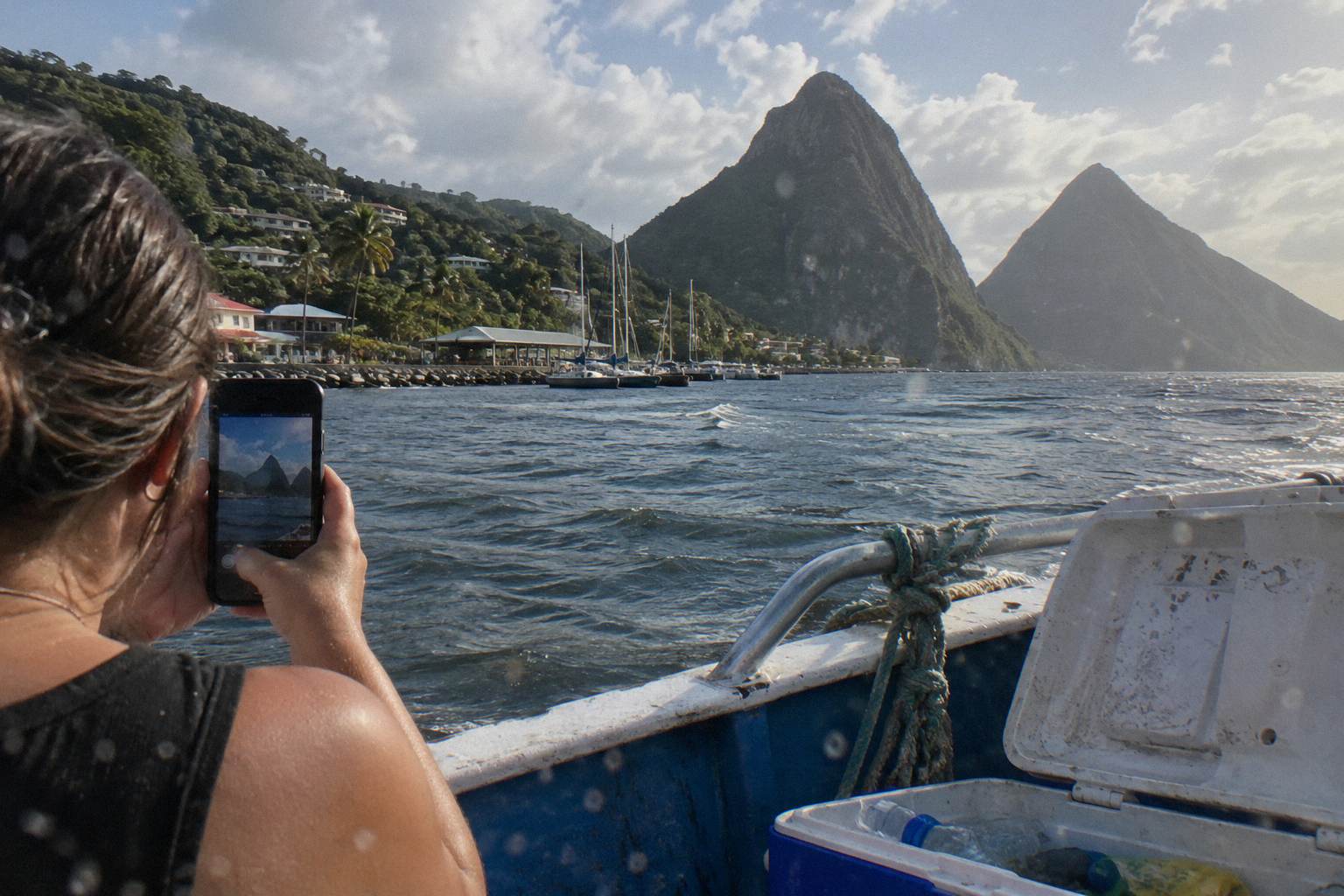
Ask a catamaran or snorkel operator what the trip's main purpose is, how long the boat is under way versus at anchor, what swimming ability and equipment are expected, what food and drink are included, what the cancellation terms are, and where the boat departs from. The answers tell you whether the day matches its photographs, and no verified product details for these trips appear on this site.
This is the section where the whale side has facts and the snorkel side has questions, and that asymmetry is deliberate. For any catamaran or snorkel day in Saint Lucia, this page prints no product, price, route or stop claims, because those belong to other operators and other sites. What you can do is interrogate the listing. The table below is the checklist.
| Question to ask | Why it matters | What a good answer looks like |
|---|---|---|
| Is the day mainly sailing, snorkelling or both? | Sets expectations for pace and time in the water | A clear split stated in plain terms |
| How much time is at anchor versus under way? | Motion-sensitive guests need to know | Specific, not vague |
| What snorkel gear and instruction are provided? | Beginners and children need support | Gear included, brief guidance offered |
| Is food and drink included, and is alcohol unlimited or limited? | Affects budget and the day's character | A plain list of what is aboard |
| What are the departure point and the check-in time? | You must plan transport yourself | Exact marina and timing |
| What is the cancellation policy, including bad weather? | Sea days get cancelled; know your refund path | Written terms, ideally free cancellation windows |
| Are dolphins or whales part of the itinerary? | Prevents mistaking luck for a plan | "If we see them, we slow down," not promises |
The last row is the one that connects back to this site. If a catamaran day advertises whales or dolphins as an expectation rather than a chance, treat that as a warning sign; no sighting is ever guaranteed, and responsible operators say so plainly. The regulated-viewing standards that licensed whale watching operators follow, slow approach, limited time near the animals, no chasing, are the benchmark a casual encounter should also meet.
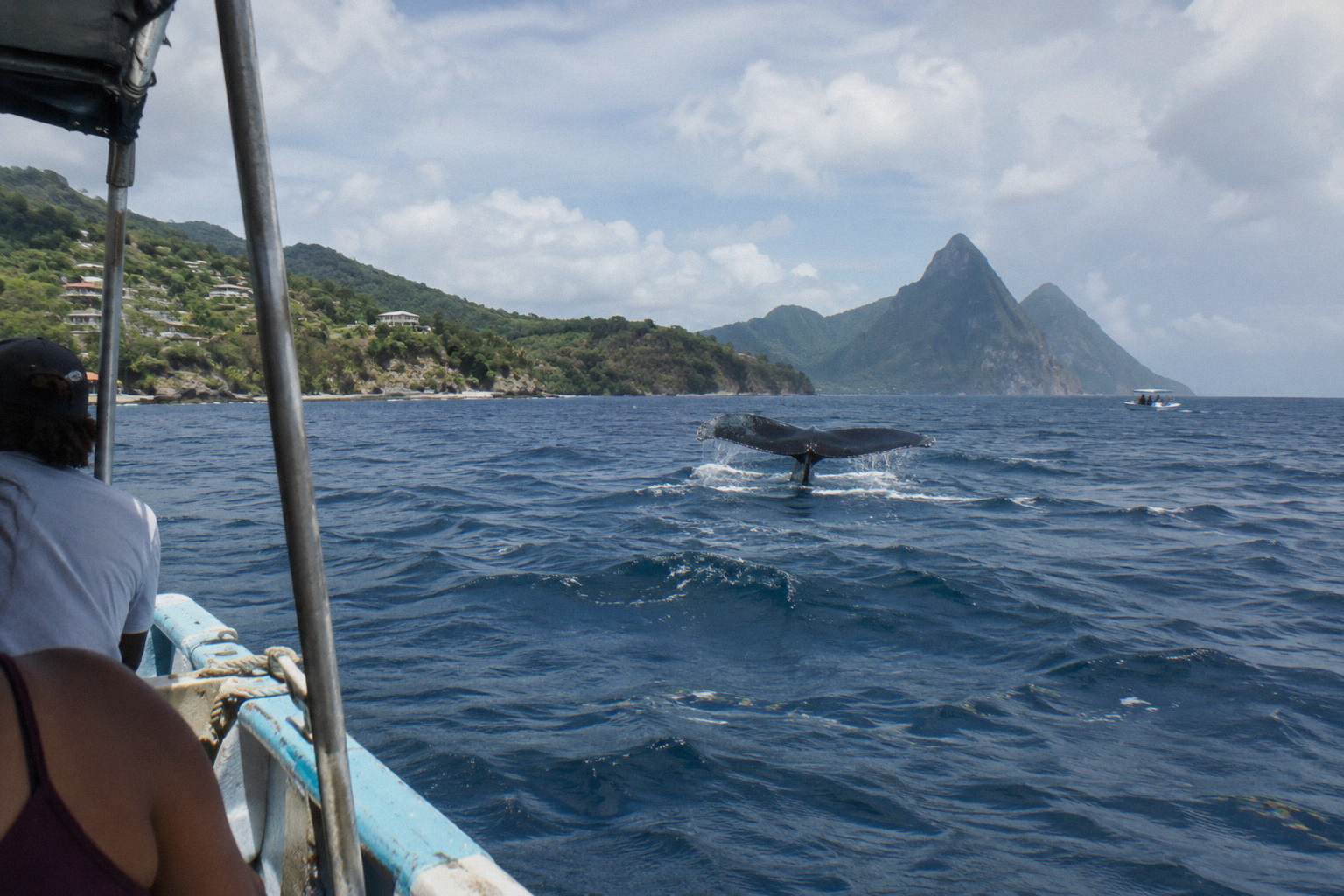
For the whale trips, the same questions have published answers. The shared cruise departs Vigie Marina in Castries Harbour, near the airport and a short distance from the Pointe Seraphine cruise terminal, with taxis readily available; there is no hotel pick-up. The private safari also departs Vigie Marina and includes cruise ship pier pick-up and drop-off, with its start time arranged with the operator. Cruise passengers should check the ship's all-aboard time and ask the operator about timing, since trip lengths of about 3.5 and 4 hours are not counting the transfer to the marina.
Which Season Favours Which Day?
Neither day has a closed season, but the calendar tilts the choice: whale and dolphin watching runs year-round with dolphins and pilot whales possible in any month, the official humpback window runs about February to April, and seas are typically calmer from December to May, which suits both kinds of boat day. Catamaran and snorkel days lean on weather and water clarity, which the same December-to-May calm favours.
The seasonal logic for the whale side is straightforward and worth stating precisely, because exaggeration is common. Humpback whales pass through the region between about February and April; some operators report them from December; from May to November treat humpbacks as unlikely. Dolphins and pilot whales are year-round possibilities. That means a February-to-April trip carries the widest set of chances, and our month-by-month whale watching guide breaks the planning view down.
| Period | Whale and dolphin cruise | Catamaran or snorkel day |
|---|---|---|
| February to April | Official humpback window adds to year-round dolphins and pilot whales | Calm-season conditions typically hold |
| December to May | Seas typically calmer; some operators report humpbacks from December | Typically the steadier sea and water conditions |
| May to November | Dolphins and pilot whales still possible; humpbacks unlikely | Conditions vary; check forecasts and cancellation terms |
The calendar's other landmark is the Atlantic hurricane season, which officially runs June 1 to November 30, per the Saint Lucia Meteorological Service. That is not a reason sightings fail; it simply means sea conditions are more variable outside the December-to-May calm, and any boat day, whale or snorkel, is more likely to be rescheduled. Free cancellation terms matter most in these months. Our page on hurricane season and whale cruises covers that ground in full.
For the snorkel day, the same calm window is your friend, since water clarity and comfortable swimming matter more when the day is built around being in the sea. Either way, book the sea day early in your week rather than the last day, so a weather cancellation leaves room to retry.
Can You Do Both In One Week?
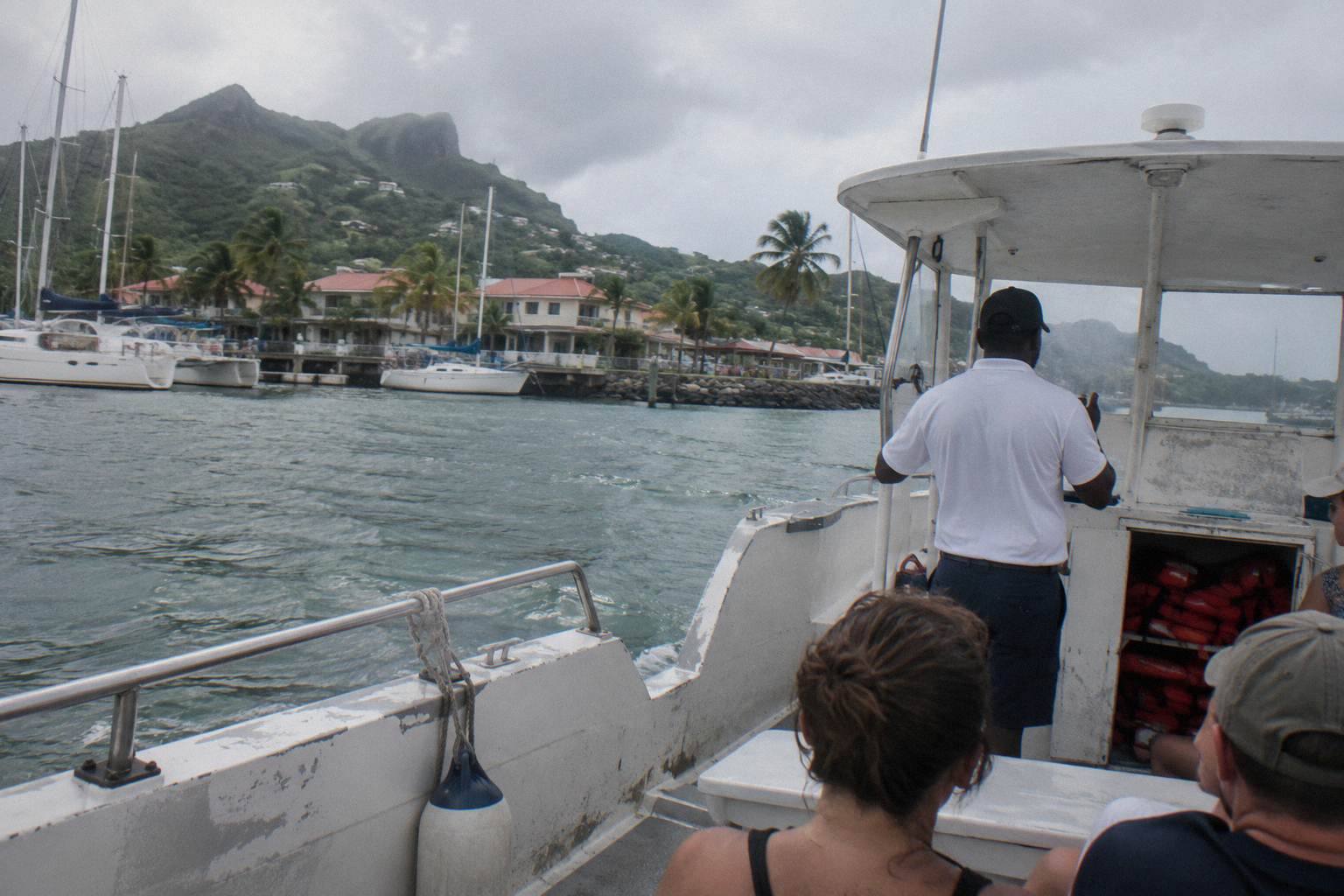
Yes, comfortably: both a whale cruise and a catamaran or snorkel day fit in one Saint Lucia week, since each occupies roughly a half-day window, the whale cruise runs mornings and the private safari arranges its start time with the operator. Doing both removes the trade-off entirely, and most seven-night visitors who want both simply space them a few days apart.
The arithmetic is forgiving. A week gives you seven mornings and seven afternoons; a whale cruise takes one morning, about 3.5 hours from departure, and a half-day snorkel trip takes one other morning or afternoon. Even a shorter stay can hold both if the days do not collide, though cruise passengers on a single port day cannot: about 3.5 or 4 hours per trip plus marina time does not fit two sea trips between ship arrival and departure, as our piece on fitting a whale cruise into a Castries port day explains.
Order matters less than spacing. If you are visiting between February and April, front-load the whale cruise so a cancellation leaves room to rebook inside the humpback window. Leave a full day between sea trips if anyone in your group is sensitive to motion; consecutive boat mornings wear people down. And book the animal day first, since it is the one with a season attached: the shared whale and dolphin cruise has instant confirmation and free cancellation up to 24 hours before, and check availability on the private safari's live listing, since that trip is confirmed by the operator rather than instantly.
One practical note that belongs to Saint Lucia generally: US dollars are widely accepted by hotels, restaurants, tour operators and taxis, with change often given in Eastern Caribbean dollars fixed at EC$2.70 to US$1, so paying for both days needs no currency planning. Bring sun protection, a hat, a light layer for spray and a camera on either boat; ask about boat size if you are prone to motion sickness, as the tourism board's own advice recommends. And a word on this site itself: St Lucia Whale Watching exists to cover the whale and dolphin side of the island's sea days in depth, which is why the catamaran side of this comparison gets questions rather than figures.
Common Mistakes When Choosing A Boat Day
The common mistakes are booking a snorkel day expecting whales, treating "dolphins possible" as a guarantee, comparing per-person and per-boat prices as if they were the same thing, ignoring the February-to-April humpback window when timing the trip, and skipping the cancellation terms on a sea day that weather can move. Each mistake is avoidable with one question or one calendar check before booking.
The first mistake is the mismatch itself. Travellers who really want to see whales book a catamaran beach day because the listing mentions dolphins, and are disappointed. Read the itinerary: if swimming stops are the substance, wildlife is decoration. The second is believing guarantees. Sightings depend on weather, season and the animals' movements; any operator promising a sighting is selling something no one can sell, and no percentage figure is printed here precisely because operator claims conflict.
The third mistake is arithmetic. The shared whale cruise is priced per person, from US$65; the private safari is priced per boat, from US$2,550.65 for up to 40 guests. Comparing those two numbers head to head, as if both were per person, produces nonsense. Work out the private price for your actual group size, then compare. The fourth is timing: a May-to-November visitor hoping for humpbacks has picked the wrong season for that species, though dolphins and pilot whales remain year-round possibilities; the fifth is forgetting that sea days get cancelled, so a trip booked on your final afternoon has no retry window.
The last mistake is quiet but real: assuming every catamaran trip is the same product. Hull type is not purpose, as the private whale safari, a catamaran that exists to find animals, proves. Decide what the day is for, verify the four or five facts that matter, and check availability while the calendar still has slack in it.
Common Questions About Saint Lucia Boat Days
Whale Cruise Or Catamaran Day: Which Boat Day Fits You?
The whale and dolphin cruise fits if animals are the point of the day; a catamaran or snorkel day fits if swimming, coastline and water time are. The whale cruise is a search with a guide; the snorkel day is a destination with stops. Purpose first, hull type second.
How Long Is A Whale And Dolphin Cruise Compared With A Catamaran Day?
The shared whale cruise runs about 3.5 hours and the private safari about 4 hours, not counting the transfer to the marina. Official guidance says Saint Lucia sea trips generally last about three to four hours, so both kinds of day occupy a similar half-day window.
What Does The Whale Cruise Cost?
The shared whale and dolphin cruise costs from US$65 per person, about 3.5 hours, and the private safari from US$2,550.65 per boat for up to 40 guests, about 4 hours. Prices vary by date and group, and the booking page confirms the current figure.
Can You See Whales On A Catamaran Or Snorkel Day?
Only by chance. Those trips are built around swimming and coastline, and any dolphins or whales encountered are incidental. If cetaceans are what you want, book a trip whose purpose is finding them, and remember every sighting is a chance, never a guarantee.
What Time Of Year Is Best For The Whale Cruise?
Whale and dolphin watching runs year-round, with dolphins and pilot whales possible in any month. Humpback whales pass through between about February and April, the official window, and seas are typically calmer from December to May.
Can You Do Both A Whale Cruise And A Snorkel Day In One Week?
Yes. Each takes roughly a half-day, so a week holds both easily if you space them a day or two apart. A single cruise ship port day does not hold both, since each trip alone runs about 3.5 to 4 hours before marina time.