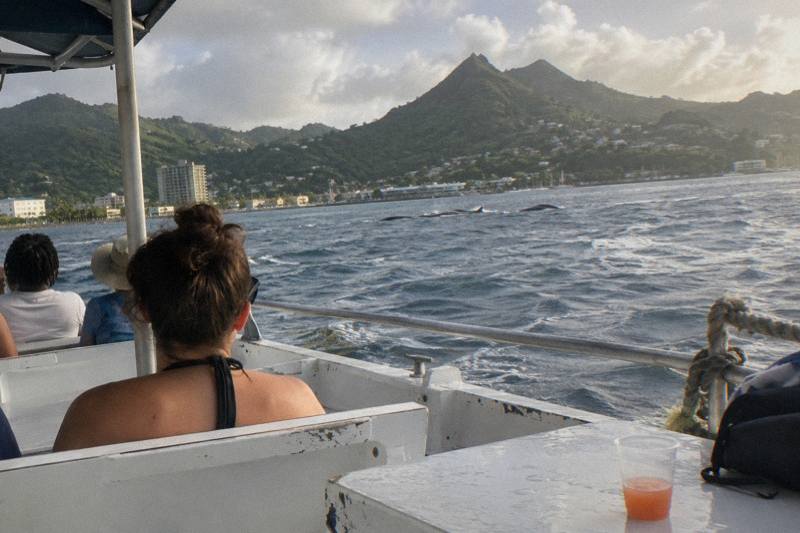
Humpback Whales Near Saint Lucia: The February To April Whale Watching Window
Humpbacks pass Saint Lucia on migration between about February and April, the window the official tourism board publishes, while some operators report them from December. Here is what the sources actually say, which weeks reward a booking, and how to plan around a season that is a chance and never a promise.
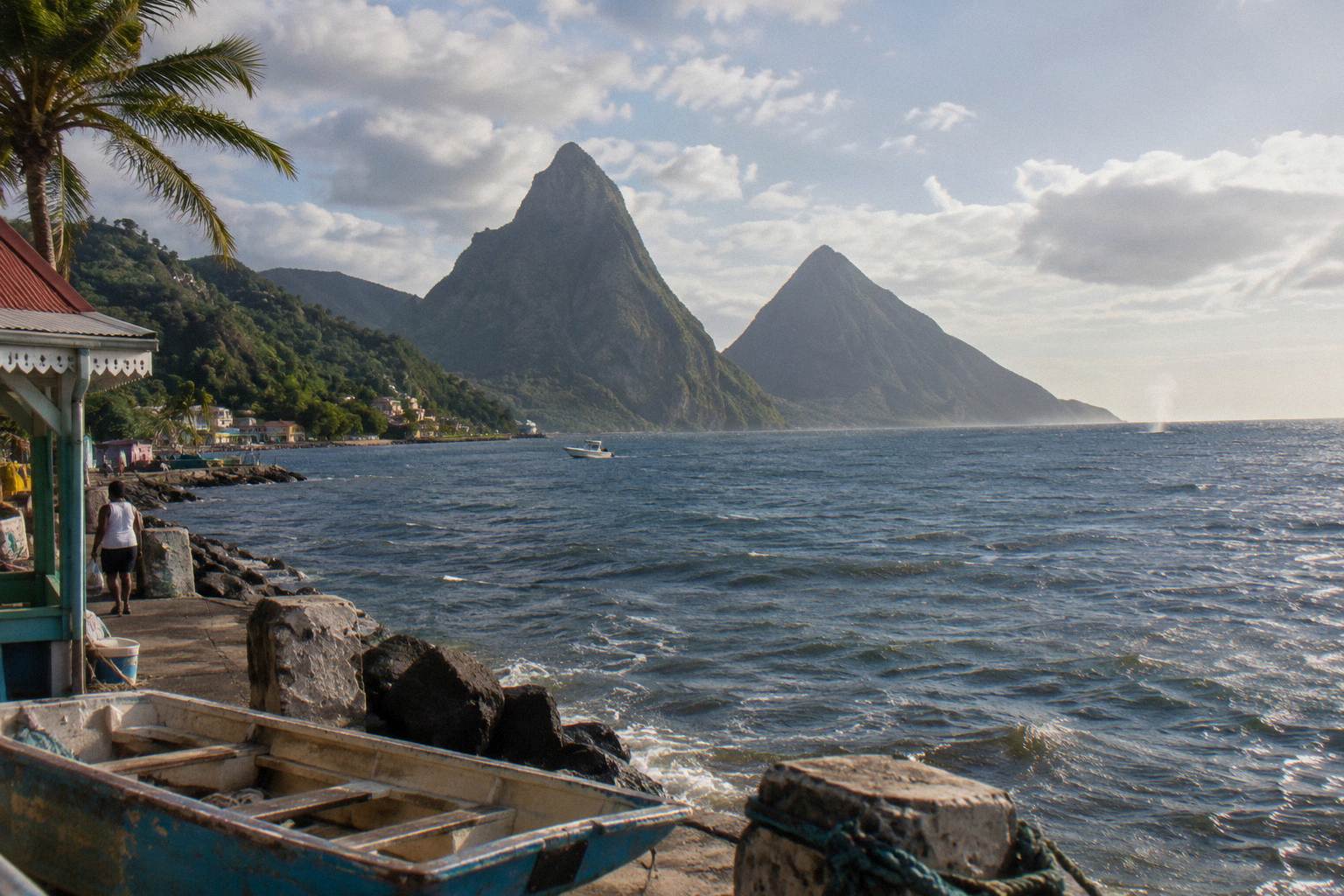
Short answer
Humpback whales pass through Saint Lucia's waters between about February and April, the official window. Some operators report them from December, and May to November should be treated as unlikely. Dolphins and pilot whales are seen year-round, so a February to April cruise adds humpbacks to the existing mix rather than replacing it.
Saint Lucia's humpback story is a migration window, not a resident population. The official tourism board publishes a season of about February to April, some operators stretch their reports back to December, and outside those months the honest answer is that humpbacks are unlikely. This guide lays out exactly what the sources say, month by month, and helps a reader asking about humpbacks choose which weeks to schedule a whale cruise.
That reader has a practical decision to make. If your trip falls in the window, you want the trip that maximises your time on the water. If it falls outside, you still have dolphins and pilot whales year-round, plus a chance of sperm whales in the deeper water, and the same boats run all year. Either way, the two trips covered here, the shared cruise and the private safari, both depart Vigie Marina in Castries, and both can be held with free cancellation up to 24 hours before departure. For more on St Lucia Whale Watching across the whole year, the site's season guides break down every month.
When Do Humpback Whales Pass Saint Lucia?
Humpback whales migrate through the waters around Saint Lucia between about February and April, according to the official tourism board's published season, and that window is the anchor for anyone planning a trip around them. Some operators report humpbacks from December, which stretches the practical season at the front end. From May to November, humpbacks should be treated as unlikely.
The tourism board's whale and dolphin watching page states the February to April window plainly, and its trip-planning blog repeats it in its FAQ: whale and dolphin watching runs year-round in Saint Lucia, and February to April adds the chance of humpbacks. That phrasing matters. Humpbacks are an addition to the island's everyday marine life, not the whole show, and the boats go out whether or not the humpbacks have arrived yet.
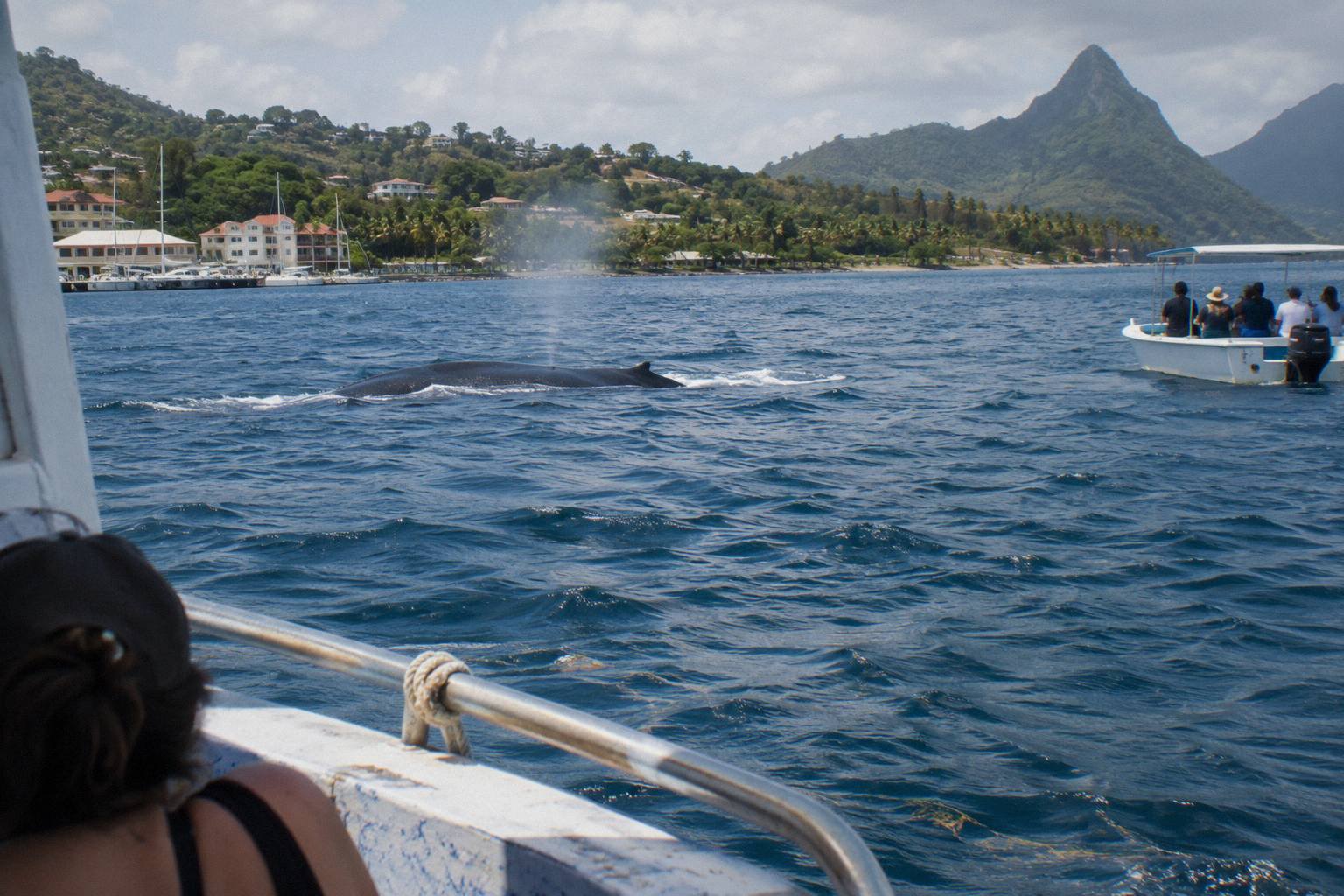
Every sighting is a chance rather than a guarantee. The official wording is that sightings depend on weather, season and the animals' natural movement patterns, and no sighting percentage is printed anywhere in the published sources because operator claims on that point conflict. A humpback window raises the odds during the right weeks; it never turns a whale into a certainty. The deep water that lies close to Saint Lucia's west coast helps, since animals can be encountered not far from shore, but the animals still decide where they are.
One point of scope, because search results often blur it: this is Saint Lucia the Caribbean island. There is another St Lucia, in South Africa's KwaZulu-Natal, with its own whale season and its own protected wetlands. Nothing from that region applies here, and any claim about a June to November humpback season belongs to the other place entirely. For the island covered on this site, the calendar runs the other way around.
Why Do Operators Mention December?
Some Saint Lucia operators report humpback whales from December, ahead of the official February to April window, and the honest way to read that is as an early-arrival pattern rather than a competing season. The tourism board's own window stays February to April. December through January is therefore a shoulder period: possible, sometimes reported, never promised.
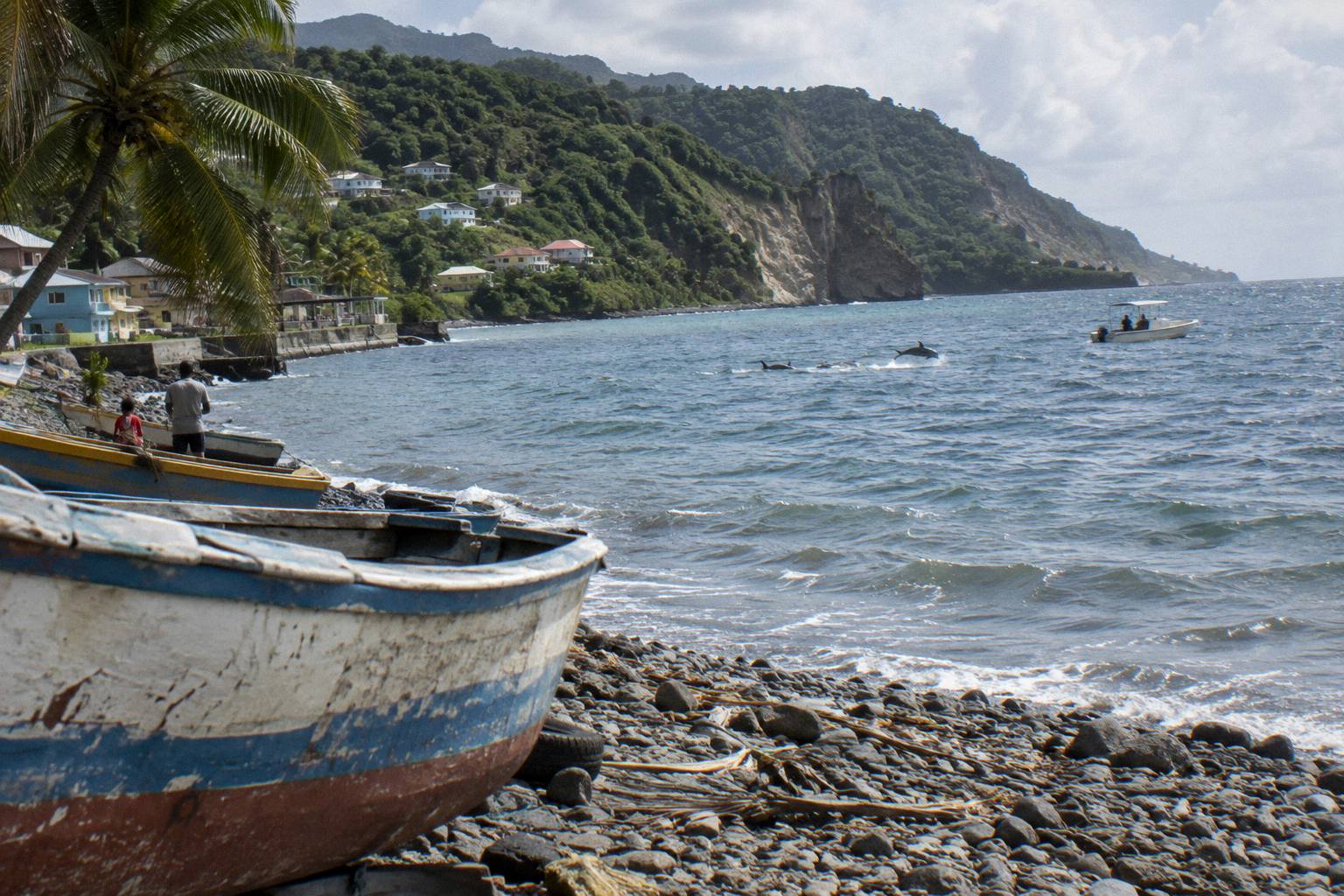
The reason this matters for planning is that December sits inside the island's calmer stretch of sea. The sources note that sea conditions are typically calmer from December to May, which overlaps the front of the humpback window and the whole shoulder period. A December or January cruise combines gentler water with an outside chance of an early humpback, plus the year-round dolphins and pilot whales that are on the water regardless of month. The full month-by-month picture, including the calmer-seas overlap, is laid out in the guide to the best months for whales off Saint Lucia.
Both trips on this site's roster run year-round, so a December booking is not a gamble on a seasonal service existing. The Shared Whale And Dolphin Watching Cruise, run by Captain Mike's, is about 3.5 hours with a morning departure on a custom 60 ft boat, from US$65 per person, and it holds a 4.5 rating from 200 reviews. The Private Premium Whale And Dolphin Safari, run by Hackshaw's Boat Charters, is about 4 hours on a 50 ft catamaran for up to 40 guests, priced from US$2,550.65 per boat for the whole group, with a 4.5 rating from 75 reviews. Neither trip is ranked against the other here; they serve different parties and different budgets, and the price varies by date and group, which the booking page confirms.
A reader weighing a December trip against a March one should also know that the sources never print month-by-month sighting rates, because no such rates exist in the published material. What exists is the window, the operators' December reports, and the calmer-seas pattern. Anyone whose dates are fixed in December and who wants the fullest context before booking can read more about the chance of whales in Saint Lucia in November, which covers the same shoulder logic one month earlier, when humpbacks are treated as unlikely and the year-round species carry the trip.
What Are The Chances Outside The Window?
The tourism board's species notes are specific about the year-round cast. Spinner dolphins are frequently sighted year-round, pantropical spotted and bottlenose dolphins are common, and Fraser's, Risso's and striped dolphins are recorded less often. Pilot whales live in resident pods that can sometimes be seen throughout the year, moving in close-knit family groups. Sperm whales, the deep-water specialists, are described in the board's own words as "considered resident in the region and occasionally sighted in deeper waters". Orcas are rare visitors only.
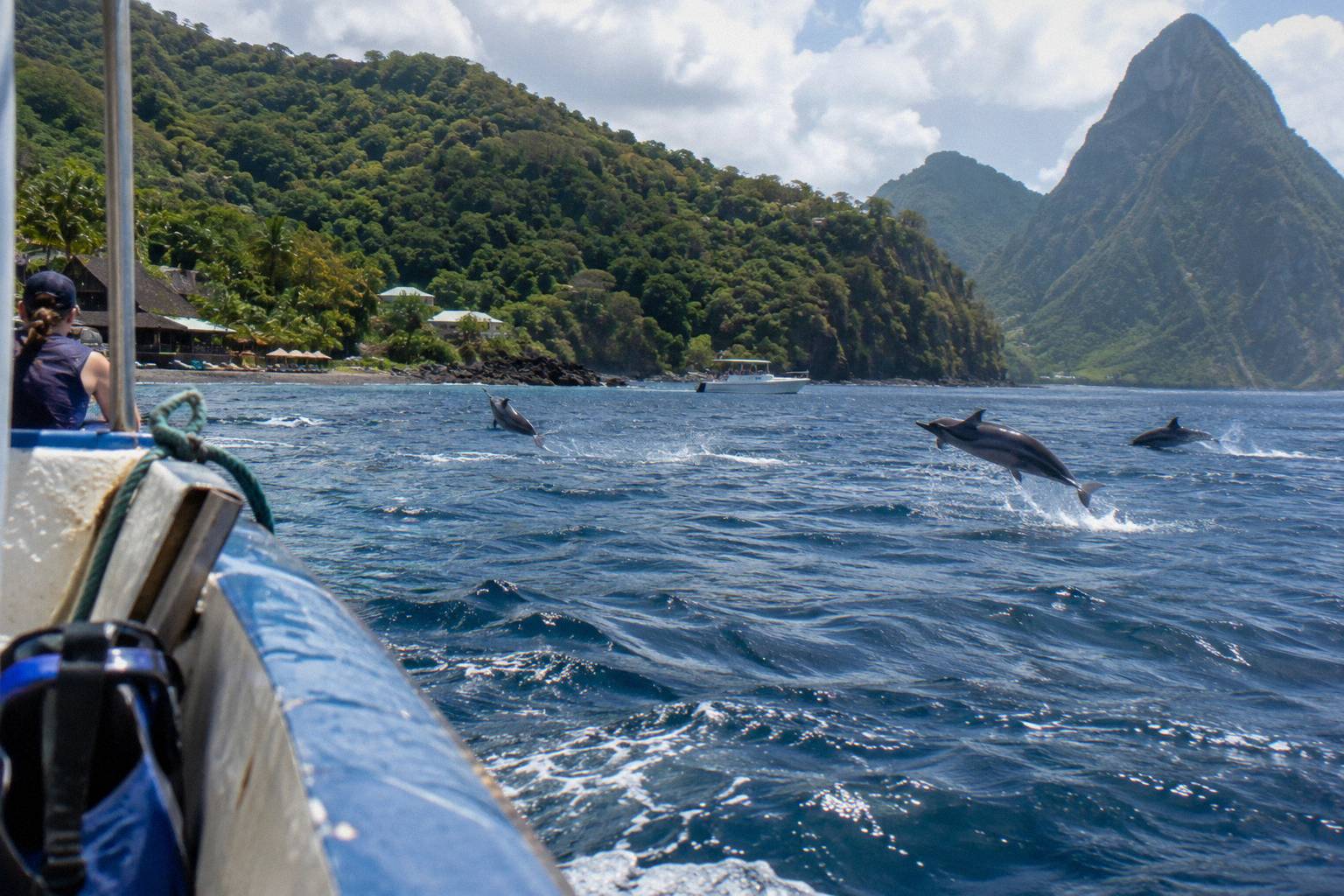
There is a temptation in summer, when a reader finds a cheap fare or a resort deal, to hope the humpbacks lingered. The honest answer is no, and this guide will not soften that. May to November is out of the migration window, and the same official sources that give February to April give no basis for expecting humpbacks in the northern-hemisphere summer. What a summer trip can offer is the resident mix, and the trips still run, with the caveat that the Atlantic hurricane season officially runs June 1 to November 30 and seas are typically calmer from December to May.
The deeper background on the resident species is worth having if your dates fall outside the window. The dolphins are covered in detail in the guide to which dolphins live near Saint Lucia and where to look, and the deep-water sperm whales, including their link to the wider Eastern Caribbean population that the Dominica Sperm Whale Project studies, have their own year-round guide. No Saint Lucia head count or population estimate is printed for sperm whales, because none exists in the sources.
Which Months Add The Best Chance Of Humpbacks?
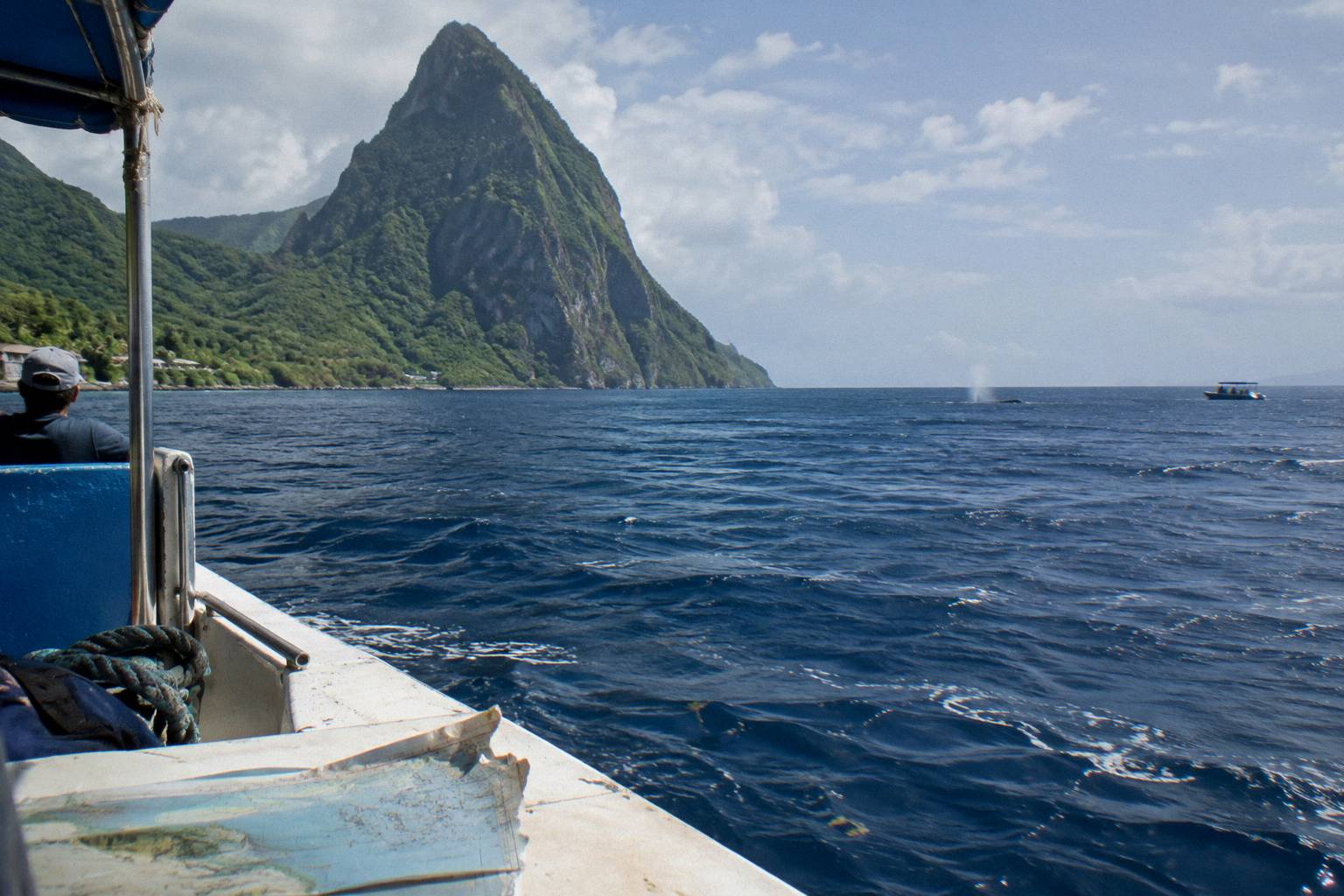
February, March and April are the three months that add the humpback chance to Saint Lucia's year-round dolphin and pilot whale watching, according to the official window. December and January form a shoulder in which some operators report early arrivals. May through November offers no realistic humpback expectation, though the resident species continue.
Because no month-by-month sighting rates exist in the published material, the table below is a planning table of what the sources say and nothing more. It folds together the humpback window, the operators' December reports, the calmer-seas pattern and the year-round species into one view a reader can scan before picking weeks.
| Month | Humpback chance (per sources) | Sea conditions (typical) | Year-round species |
|---|---|---|---|
| December | Some operators report humpbacks | Calmer season begins | Dolphins and pilot whales |
| January | Shoulder, early arrivals possible | Typically calm | Dolphins and pilot whales |
| February | Official window opens | Typically calm | Dolphins and pilot whales |
| March | Inside the official window | Typically calm | Dolphins and pilot whales |
| April | Official window closes | Calmer season ends | Dolphins and pilot whales |
| May to November | Unlikely | Hurricane season runs June 1 to Nov 30 | Dolphins and pilot whales |
The overlap in that table is the whole argument for February to April. Those months sit inside both the official humpback window and the calmer-seas stretch, so a reader choosing weeks specifically around humpbacks lands the best combination the sources support: added species and gentler water. April carries a small note of caution in that the calmer stretch is described as running to May, so conditions late in the month can begin to turn, but the humpback window itself runs through it.
Readers planning around the shoulder weeks, December and January, should hold dates with free cancellation where possible, which both trips on this roster offer up to 24 hours before departure on the booking path. That way an early humpback report becomes a bonus rather than a bet. The shared cruise's operator also says that if the captain cancels for unsafe weather, there is an alternative date or a refund, which is the operator's own statement.
Shared Cruise Or Private Safari In Humpback Months?
In humpback months the choice between the two trips comes down to group shape, not whale odds: both depart Vigie Marina, both carry crew who know the water, and neither promises a sighting. The shared cruise suits small parties and solo travellers at from US$65 per person; the private safari, from US$2,550.65 per boat for up to 40 guests, suits families and groups who want the boat to themselves.
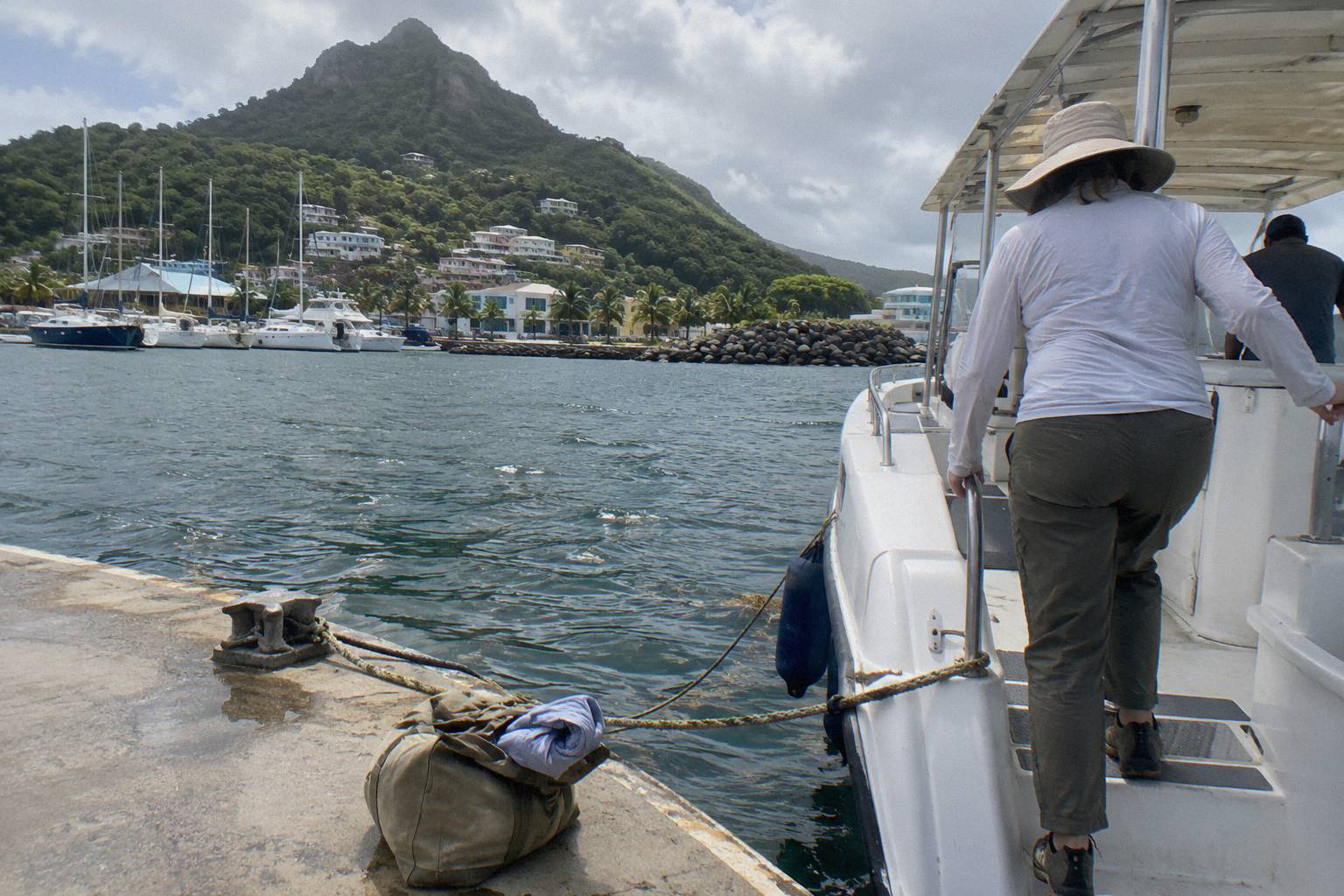
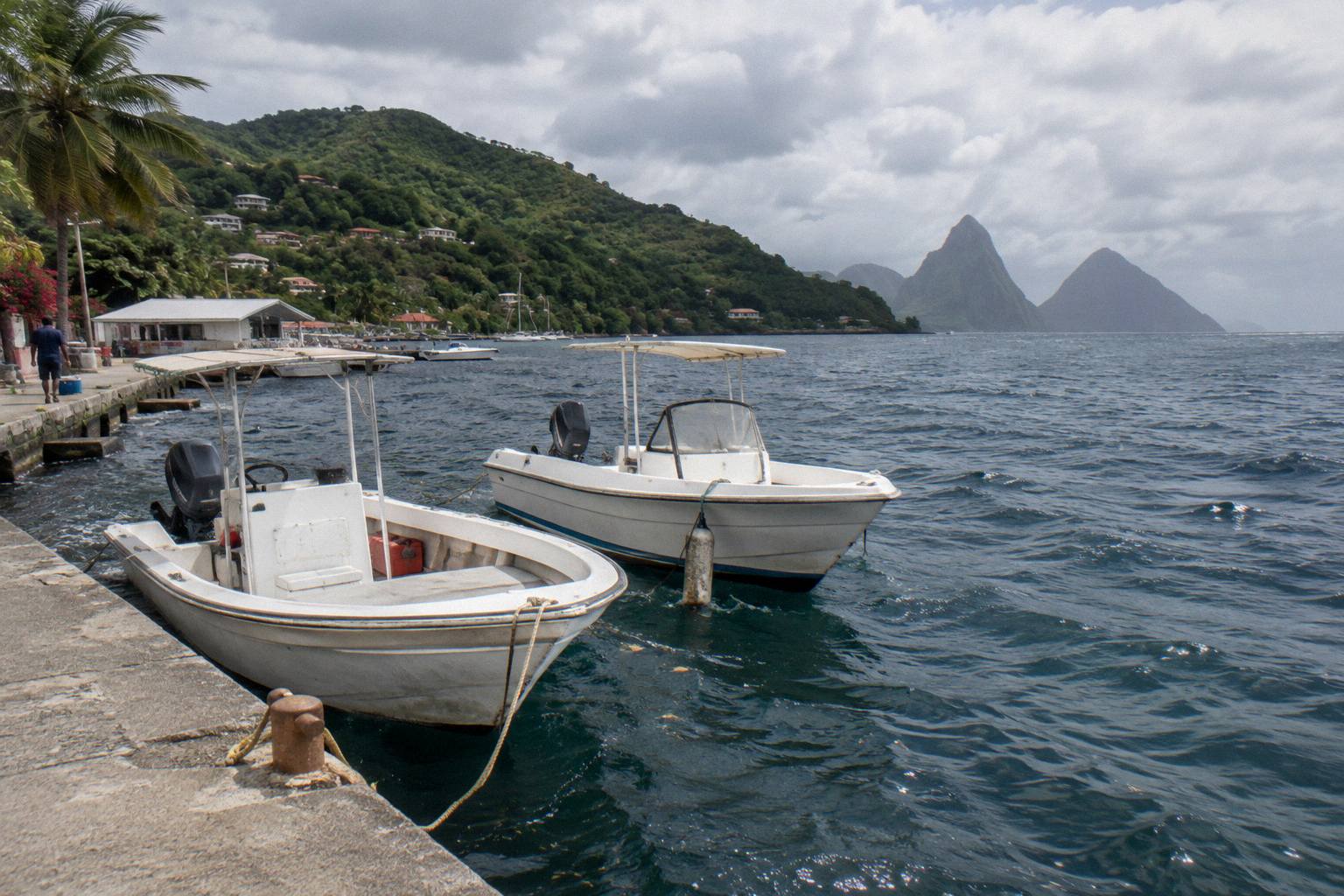
The Shared Whale And Dolphin Watching Cruise runs about 3.5 hours with a morning departure on a custom 60 ft boat out of Vigie Marina in Castries Harbour. A local marine expert is aboard, and bottled water, soft drinks and rum punch are included; gratuities are extra and hotel pick-up is not offered on this trip. It holds a 4.5 rating from 200 reviews, departs from a marina a short distance from the Pointe Seraphine cruise terminal, and offers instant confirmation plus free cancellation up to 24 hours before. The operator, Captain Mike's, says it has over 60 years of experience and belongs to the Hackshaw family, which is the operator's own framing. Group size is not published.
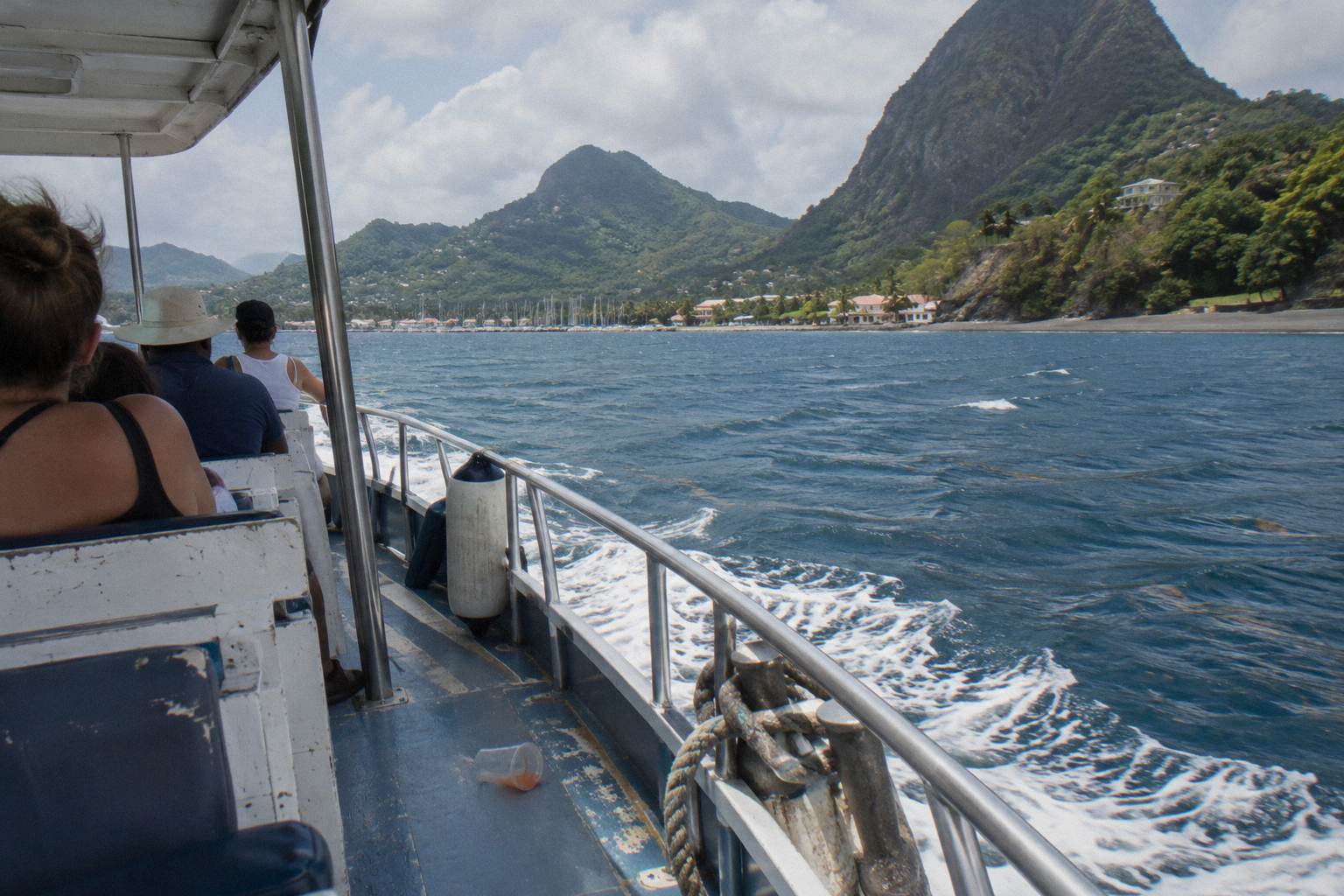
For humpback weeks specifically, the shared whale and dolphin watching cruise is the straightforward pick for a couple or a small family: the shared cruise at US$65 per person is US$130 for 2, US$260 for 4, US$390 for 6, and the price varies by date, which the booking page confirms. Check availability for your weeks before the window fills, since February to April is when demand concentrates.
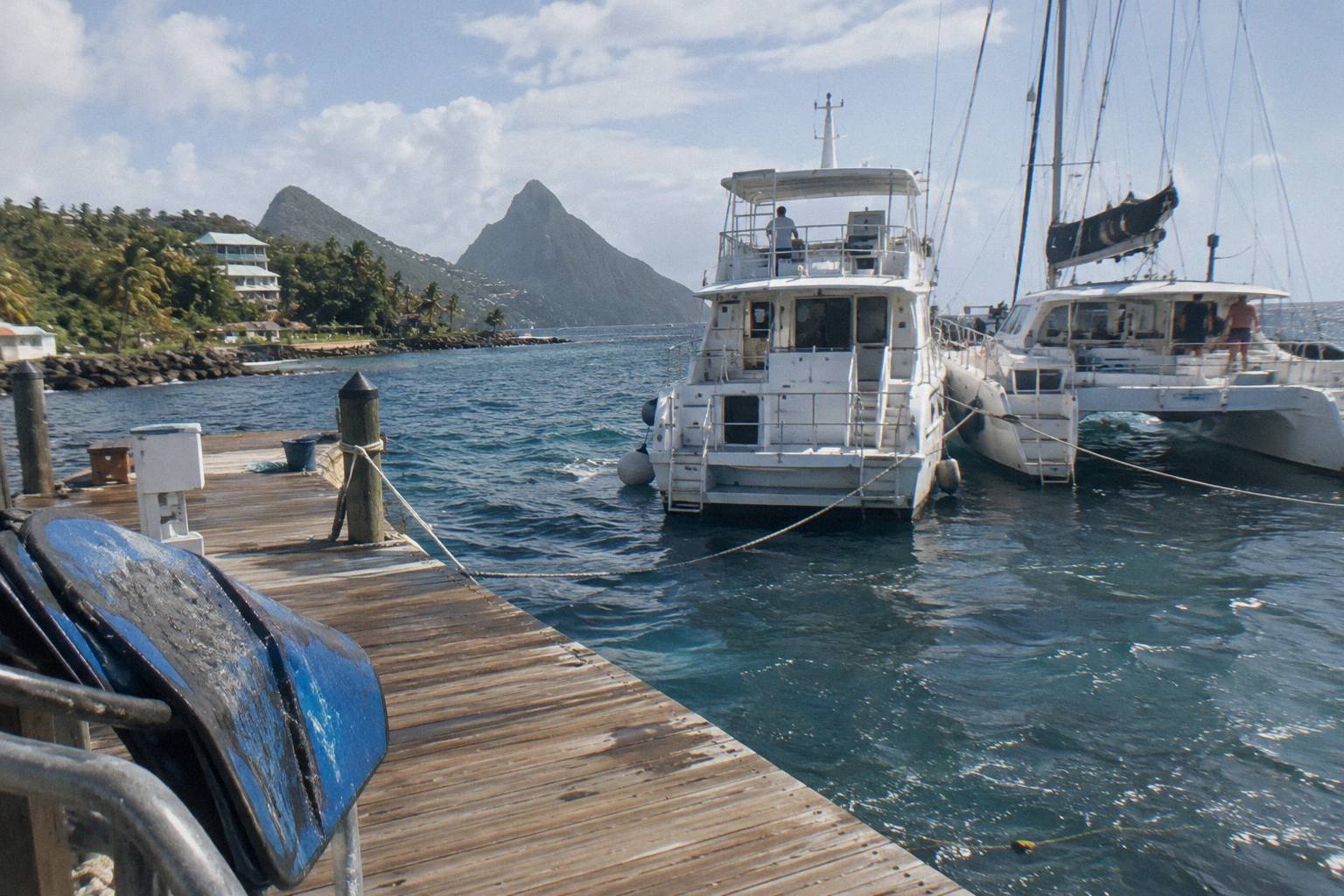
The Private Premium Whale And Dolphin Safari is a different product, not a bigger version of the same one. It is about 4 hours on a 50 ft catamaran, private to one group of up to 40 guests, with a guide, soft drinks, coffee, tea, water, light snacks, rum punch and local fruit included, and cruise ship pier pick-up and drop-off included as well. Gratuities are extra and hotel pick-up and drop-off are not included. It is priced from US$2,550.65 per boat, never per person, and the price varies by date and group. For illustration, not a quote: US$2,550.65 shared by 4 guests is about US$637.66 each; by 6 about US$425.11; by 8 about US$318.83; by 12 about US$212.55. Confirmation is not instant, since the operator confirms the booking, and free cancellation applies up to 24 hours before, with the trip also cancelled free for bad weather. Hackshaw's says it has run since 1953 and is World Cetacean Alliance certified, again the operator's own statement. The fuller comparison, including the arithmetic in context, is in the guide to choosing between the shared cruise and a private charter.
| Shared Cruise | Private Safari | |
|---|---|---|
| Price basis | From US$65 per person | From US$2,550.65 per boat |
| Length | About 3.5 hours | About 4 hours |
| Boat | Custom 60 ft boat | 50 ft catamaran, up to 40 guests |
| Departure | Vigie Marina, Castries, morning | Vigie Marina, Castries, time arranged with operator |
| Rating | 4.5 from 200 reviews | 4.5 from 75 reviews |
| Cancellation | Free up to 24 hours before | Free up to 24 hours before, and for bad weather |
What Else Is Out There In The Same Months?
February to April adds humpbacks to water that is already busy: spinner dolphins are frequently sighted year-round, pantropical spotted and bottlenose dolphins are common along the west coast, pilot whales move through in resident family pods, and sperm whales are occasionally sighted in the deeper water offshore. Fraser's, Risso's and striped dolphins are recorded less often, and orcas are rare visitors.
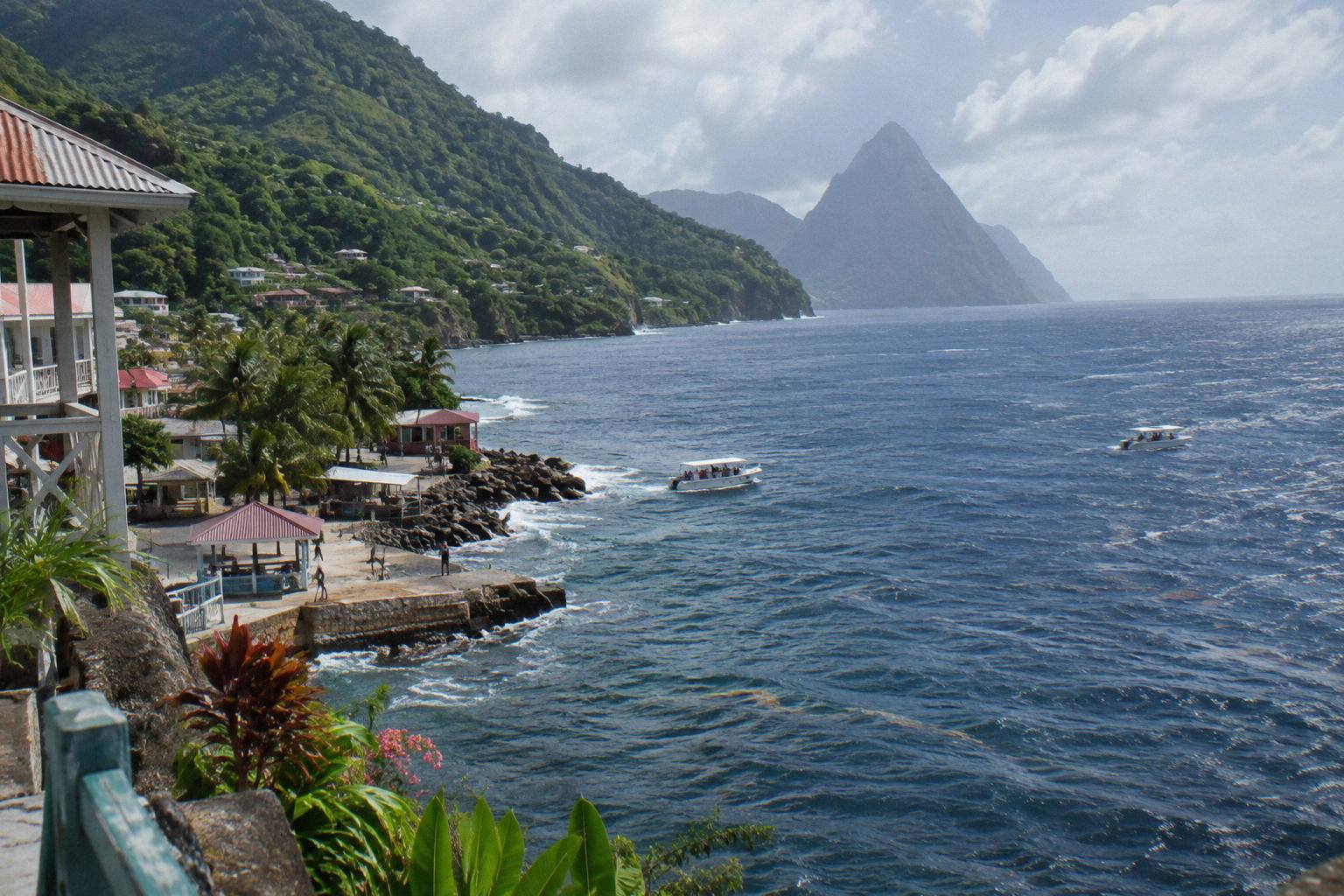
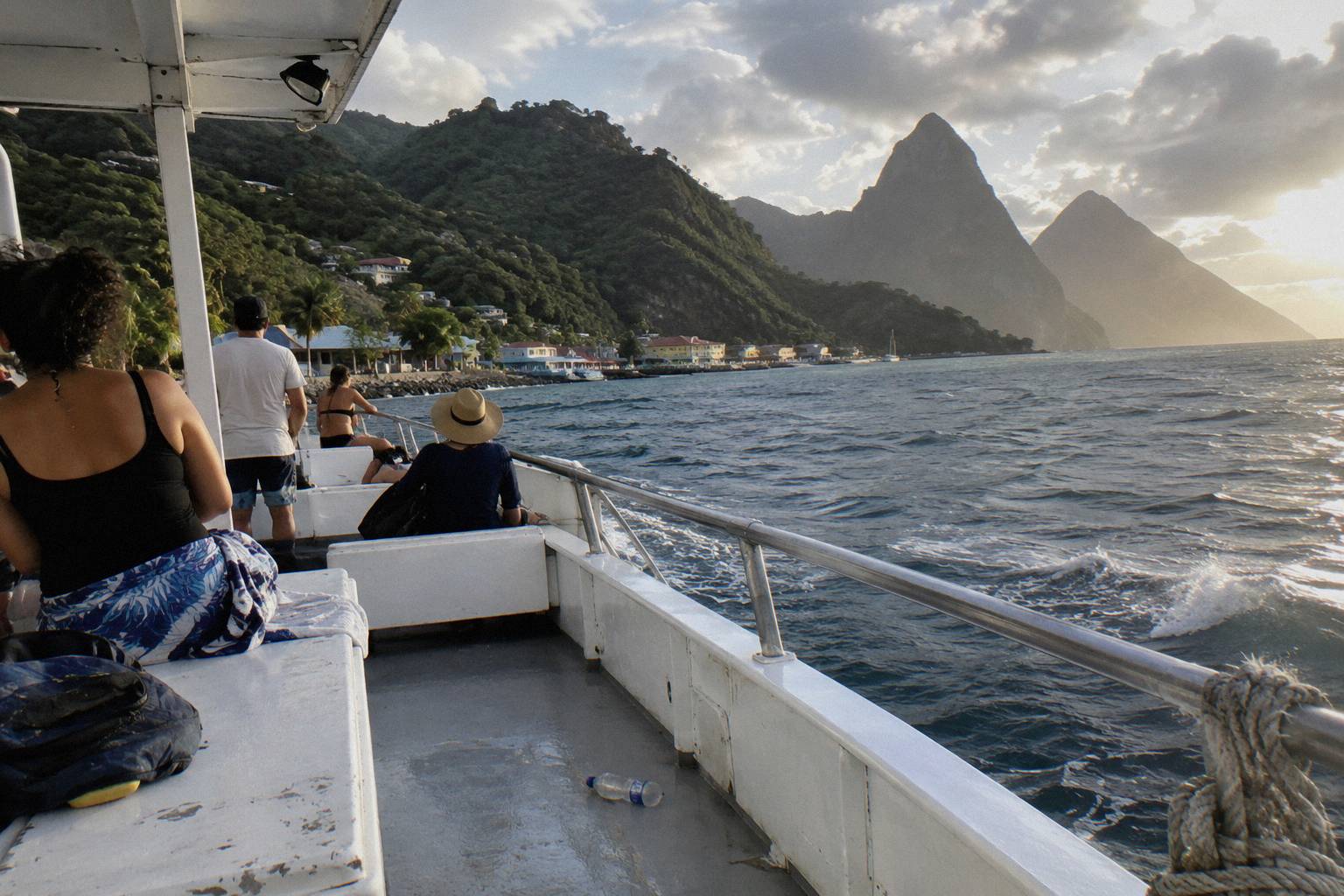
That mix is what a humpback-window cruise actually looks like on the water. The boats follow the Caribbean coast, where deep water lies close to shore, and the trip pattern the tourism board describes, morning departures from the north-west lasting about three to four hours, is exactly what both trips here deliver. The Shared Whale And Dolphin Watching Cruise's own listing names sperm whales, humpbacks in season, pilot whales, and spinner, spotted, Fraser's and common dolphins, plus views of the west coast. A reader who wants the species background before choosing weeks can start with the guide to the dolphins, turtles and whales of Saint Lucia's west coast.
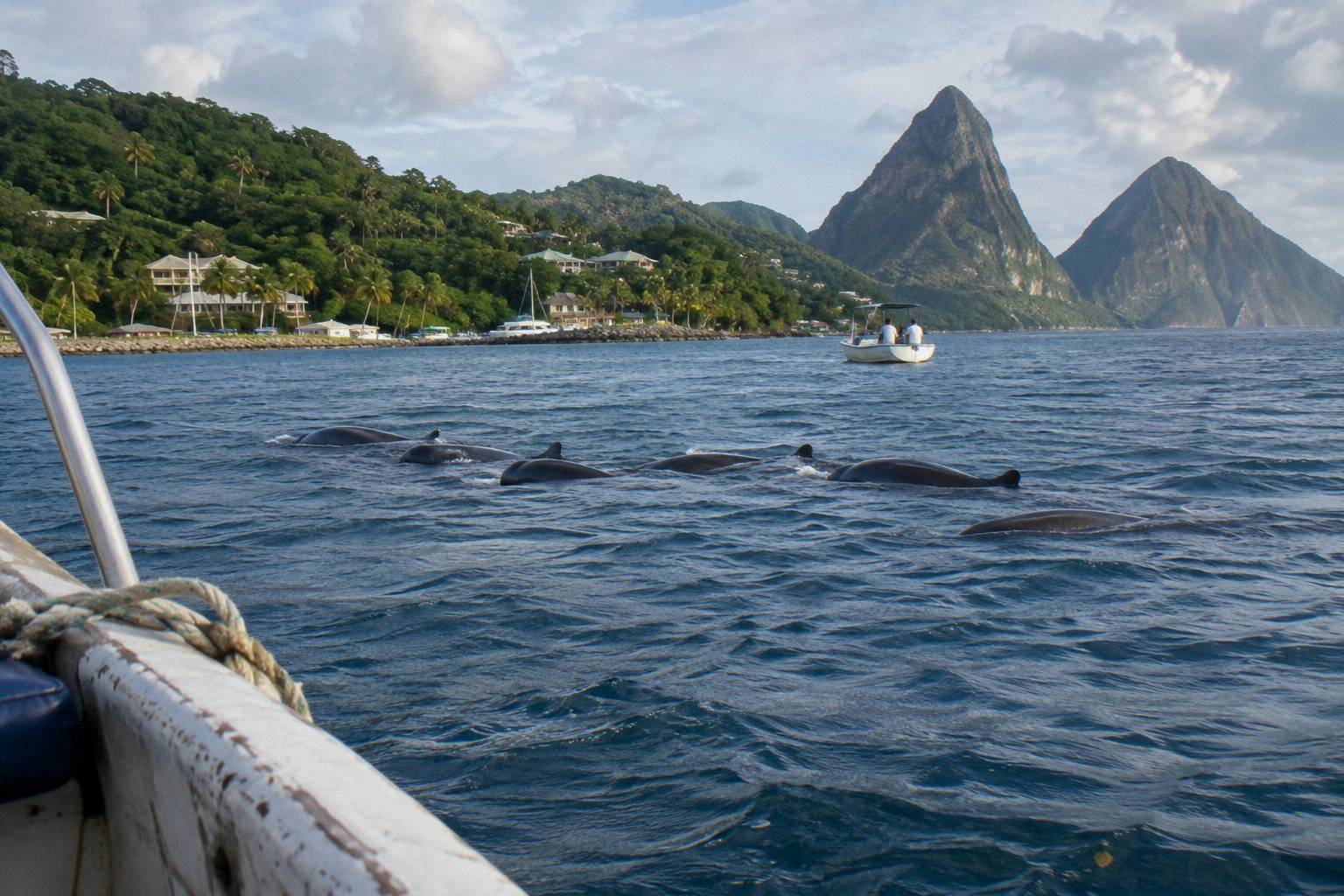
The humpback months can also raise identification questions, and one comes up often enough to address here. Pilot whales, the resident species most likely to be seen in the same months, are sometimes confused with false killer whales from a distance, and the official facts for Saint Lucia do not treat false killer whales as a likely sighting. The working answer on the water is simple: the guide or marine expert aboard identifies what is in front of the boat. That is one of the quiet advantages of travelling with crew who know these waters, and the identification question is unpacked in the piece on telling a pilot whale from a false killer whale.
Responsible viewing applies in every month, including the humpback window. Licensed operators follow regulated distance guidelines, limit time near the animals, provide life jackets and safety briefings, and monitor sea conditions, with a slow approach, no chasing, and no touching or feeding, leaving the animals space to move on. No distance in metres is published in the sources. Swimming with whales or dolphins is not offered on either trip and is not something this site suggests.
How Do You Plan Dates Around The Window?
Plan by anchoring on February to March for the safest overlap of the humpback window and calm seas, treat December and January as a shoulder worth booking with free cancellation, and avoid promising yourself humpbacks in any month from May to November. Book early for the window itself, since demand concentrates in those weeks, and hold dates with the 24-hour free cancellation both trips offer.
The practical sequence looks like this. Fix the island dates first, then check where they fall against the planning table above, then book the trip that fits your party. A solo traveller or couple in March books the shared cruise; a family of ten celebrating something books the private safari and splits the per-boat price; a couple in July books either one for the dolphins and pilot whales and lets humpbacks go. Air travellers should also remember the entry basics the tourism board publishes: a passport valid for the stay plus proof of onward travel, no visa for US, UK or Canadian citizens, and the online immigration form for air arrivals, encouraged up to 3 days before travel.
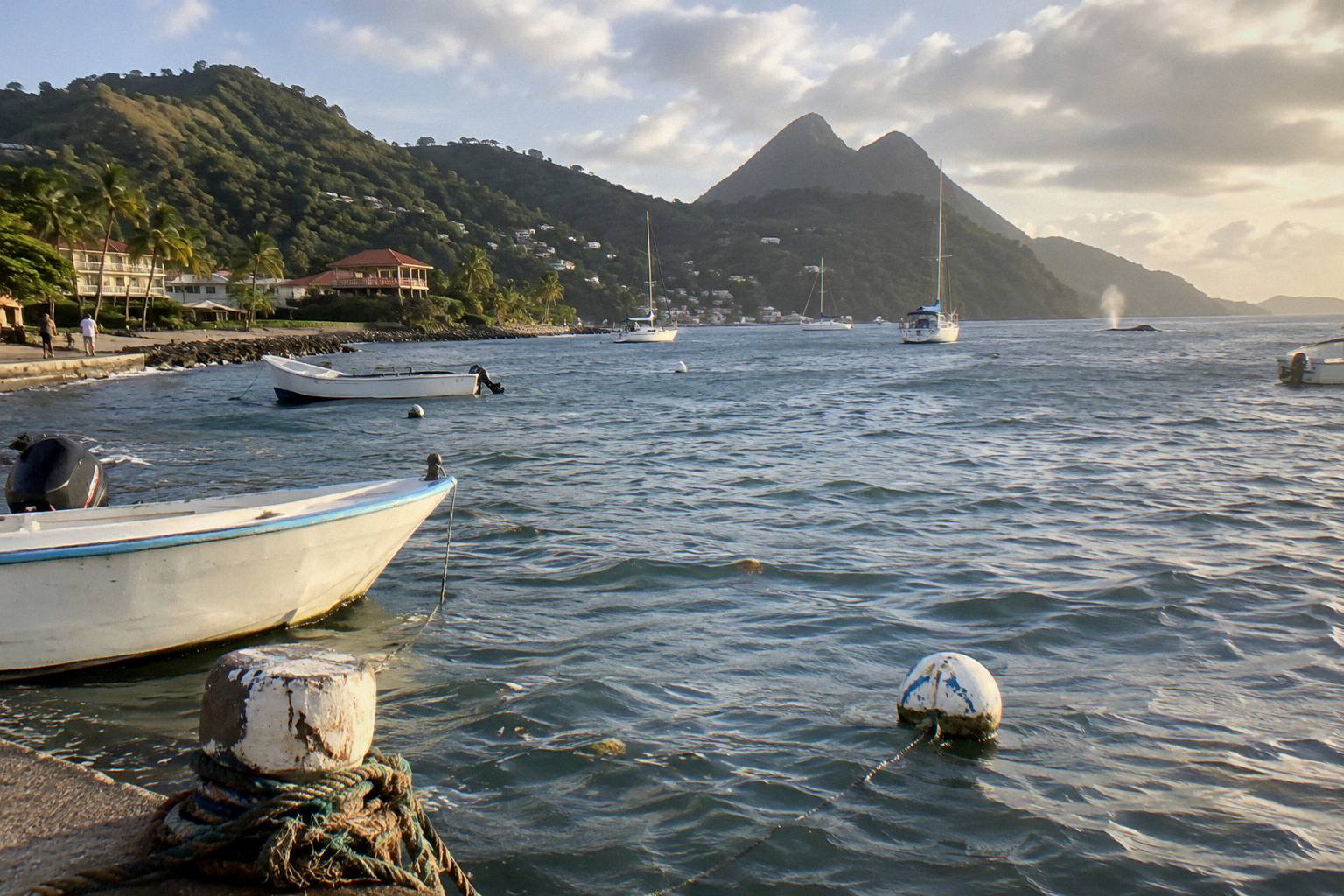
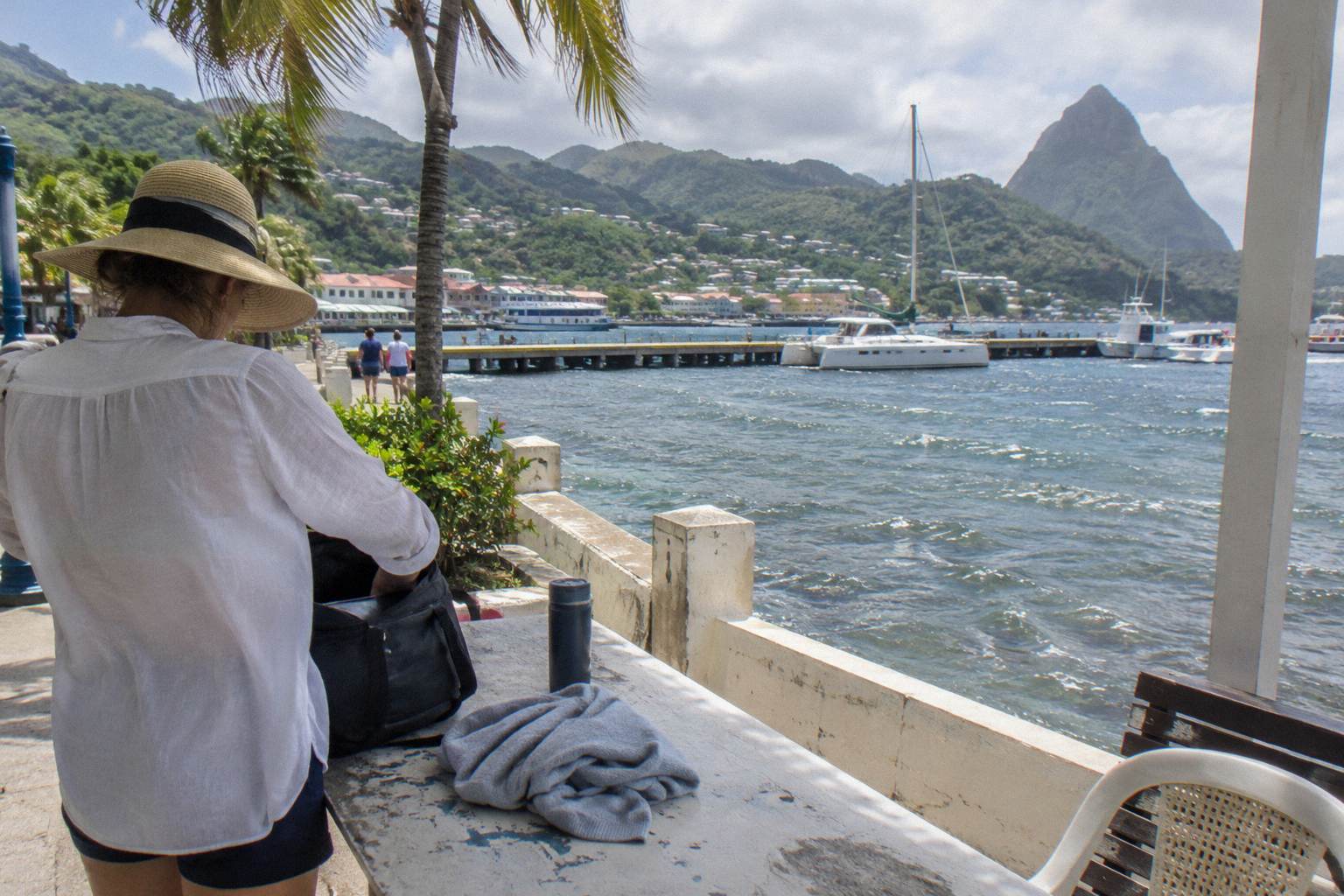
Cruise ship passengers have a tighter version of the same decision. The private safari includes cruise ship pier pick-up and drop-off, which removes the transfer question entirely, while the shared cruise departs Vigie Marina, a short distance from the Pointe Seraphine cruise terminal with taxis readily available, and includes no pick-up. The shared trip runs about 3.5 hours and the private about 4, both not counting the transfer to the marina, so the honest advice is to check the ship's all-aboard time and ask the operator about timing before booking. No return time is promised here. The dedicated guide to fitting a whale cruise between ship arrival and departure works through the arithmetic.
| Your dates | Best play | Why |
|---|---|---|
| December to January | Book either trip, free cancellation held | Shoulder: calmer seas begin, early humpbacks possible |
| February to April | Book early, shared or private | Official humpback window plus calm seas overlap |
| May to November | Book for dolphins and pilot whales | Humpbacks unlikely; resident species carry the trip |
| Cruise day in the window | Private safari for pier pick-up | Timing control, start arranged with operator |
What to bring does not change with the month: sun protection, a hat, a light layer for spray, and a camera, and anyone prone to motion sickness should ask about boat size when booking. Currency is the Eastern Caribbean dollar, fixed at EC$2.70 to US$1, with US dollars widely accepted, so tipping the crew in either currency is straightforward. The what-to-expect guide for a first whale and dolphin trip covers the day itself in more detail.
Common Mistakes When Chasing Humpbacks
The recurring mistakes are expecting humpbacks outside the February to April window, reading December operator reports as a guarantee, treating a summer booking as a whale booking, and assuming a no-sighting rebooking policy exists, which it does not on either trip. Each mistake comes from over-reading a season that the sources describe carefully as a chance.
The first mistake is calendar confusion, and it usually traces back to the other St Lucia. The South African town has a June to November humpback season; the Caribbean island does not. A reader who mixes the two books a July trip expecting the wrong hemisphere's migration. The second mistake is treating the operators' December reports as the official window: the board's window stays February to April, and December reports are early arrivals, not a promise.
The third mistake is expecting a rebook-or-refund-if-no-whale policy. Neither trip offers one, and no such policy is described anywhere in the published sources. What both trips do offer is free cancellation up to 24 hours before departure on the booking path, and the private safari is additionally cancelled free for bad weather. The fourth mistake is skipping the year-round cast: a reader fixated on humpbacks can overlook that the same morning on the water carries spinner dolphins, pilot whales and a chance of sperm whales, which is a good day in any month.
Common Questions About Humpback Whales In Saint Lucia
When Do Humpback Whales Pass Saint Lucia?
Between about February and April, the official window published by the tourism board. Some operators report humpbacks from December, and May to November should be treated as unlikely.
Are Humpbacks Guaranteed During February To April?
No. Sightings depend on weather, season and the animals' movements, and every sighting is a chance rather than a promise. No sighting percentage is printed because operator claims conflict.
Can You See Humpbacks In December?
Possibly. Some operators report humpbacks from December, ahead of the official window, and seas are typically calmer from December to May. Treat December as a shoulder month with an outside chance, not a promise.
What Whales Can You See Outside The Humpback Window?
Pilot whales can be seen year-round in resident family pods, and sperm whales are considered resident in the region and occasionally sighted in deeper waters. Orcas are rare visitors only.
Which Trip Is Best For The Humpback Months?
Both trips run year-round from Vigie Marina. The shared cruise suits small parties at from US$65 per person; the private safari is from US$2,550.65 per boat for up to 40 guests. Neither promises a sighting, so the choice follows your group and budget.
When Are Seas Calmest For A Whale Cruise?
Typically from December to May, which overlaps the February to April humpback window. The Atlantic hurricane season officially runs June 1 to November 30.