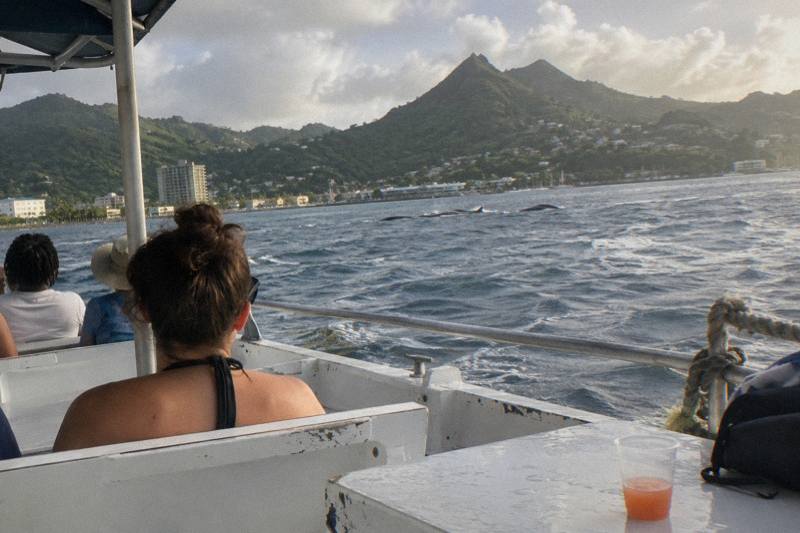
What Are The Chances Of Seeing Whales And Dolphins In Mid November In Saint Lucia?
A November visitor to Saint Lucia can still see dolphins and pilot whales year-round, while humpbacks are unlikely before the February to April window. Here is what the official sources say.
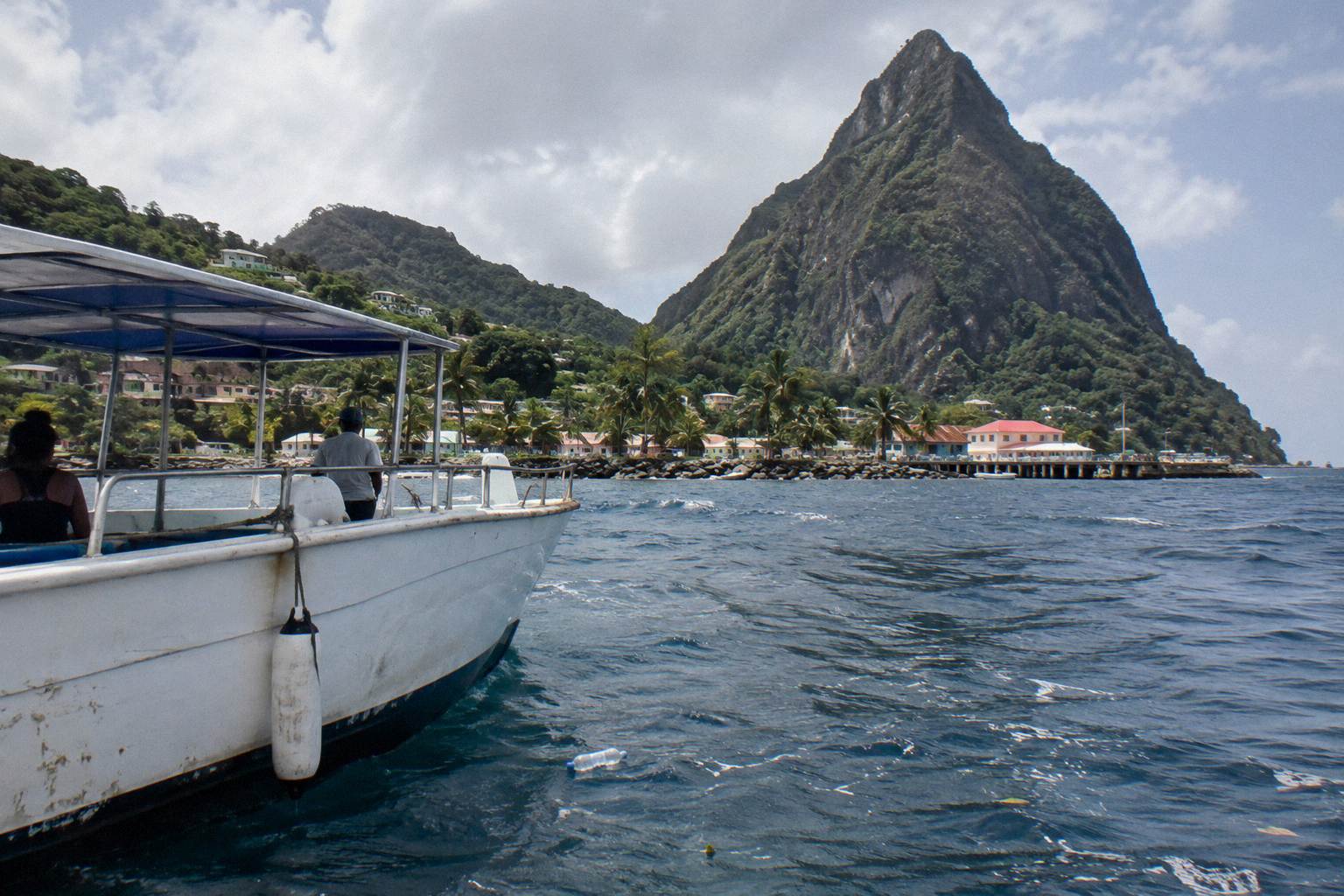
In mid November your realistic chances are dolphins and pilot whales, which the Saint Lucia tourism board says can be seen all year, plus an occasional sperm whale in deeper offshore water. Humpback whales are unlikely between May and November, since the official migration window runs about February to April. No sighting percentage exists that is worth printing, because operator claims conflict and no independent count backs any of them.
That is the short answer, and it is worth being straight about it before anything else. A November date sits in an awkward stretch of the calendar. The year-round residents are still there, and the west coast of Saint Lucia has an unusual advantage: deep water lies close to shore, so boats do not travel for hours to reach habitat where whales and dolphins actually live. The trade-off is that the seasonal headline species, the humpbacks, have normally finished their pass through the region well before mid November, and the sea conditions are not yet in their calmer December-to-May stretch.
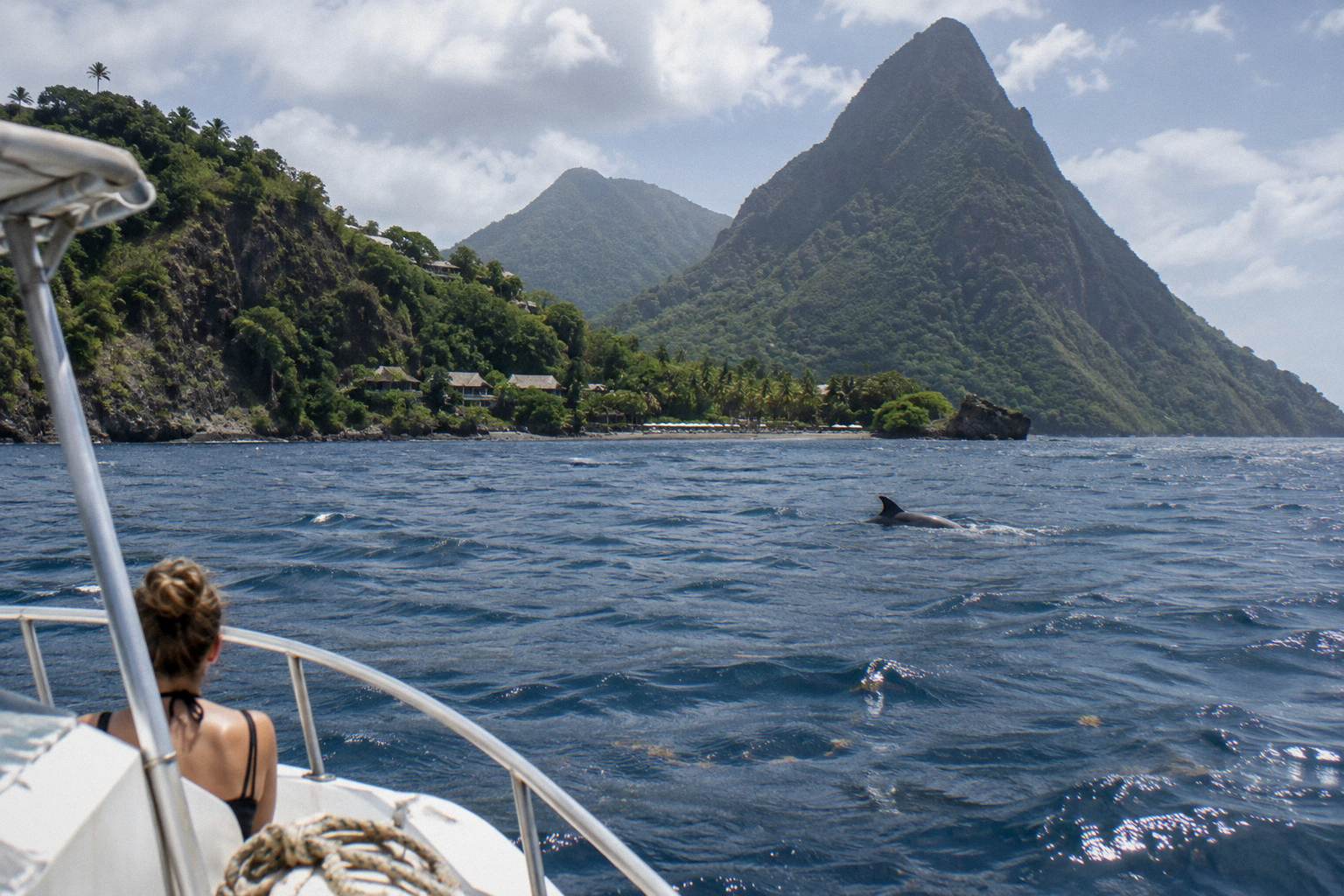
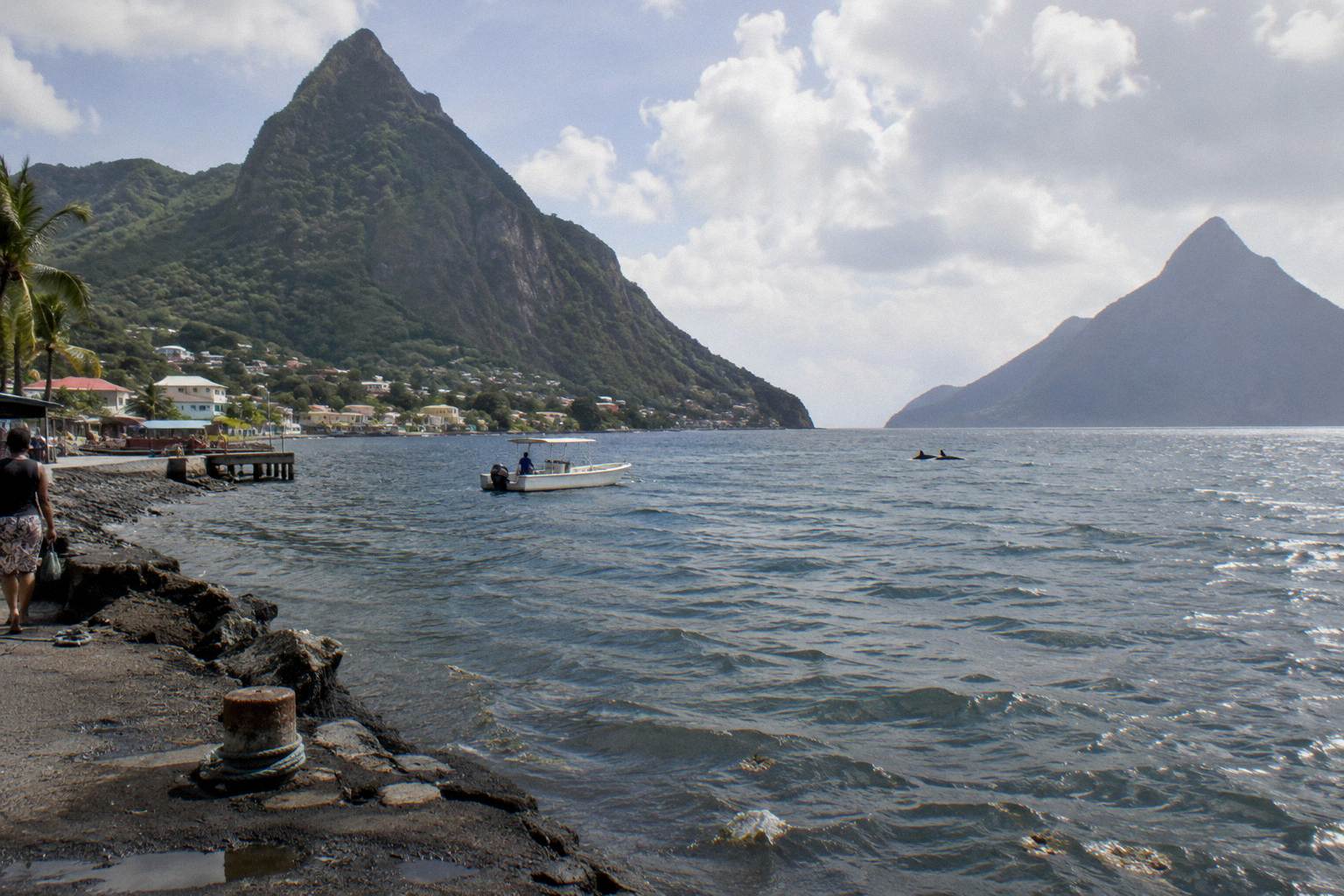
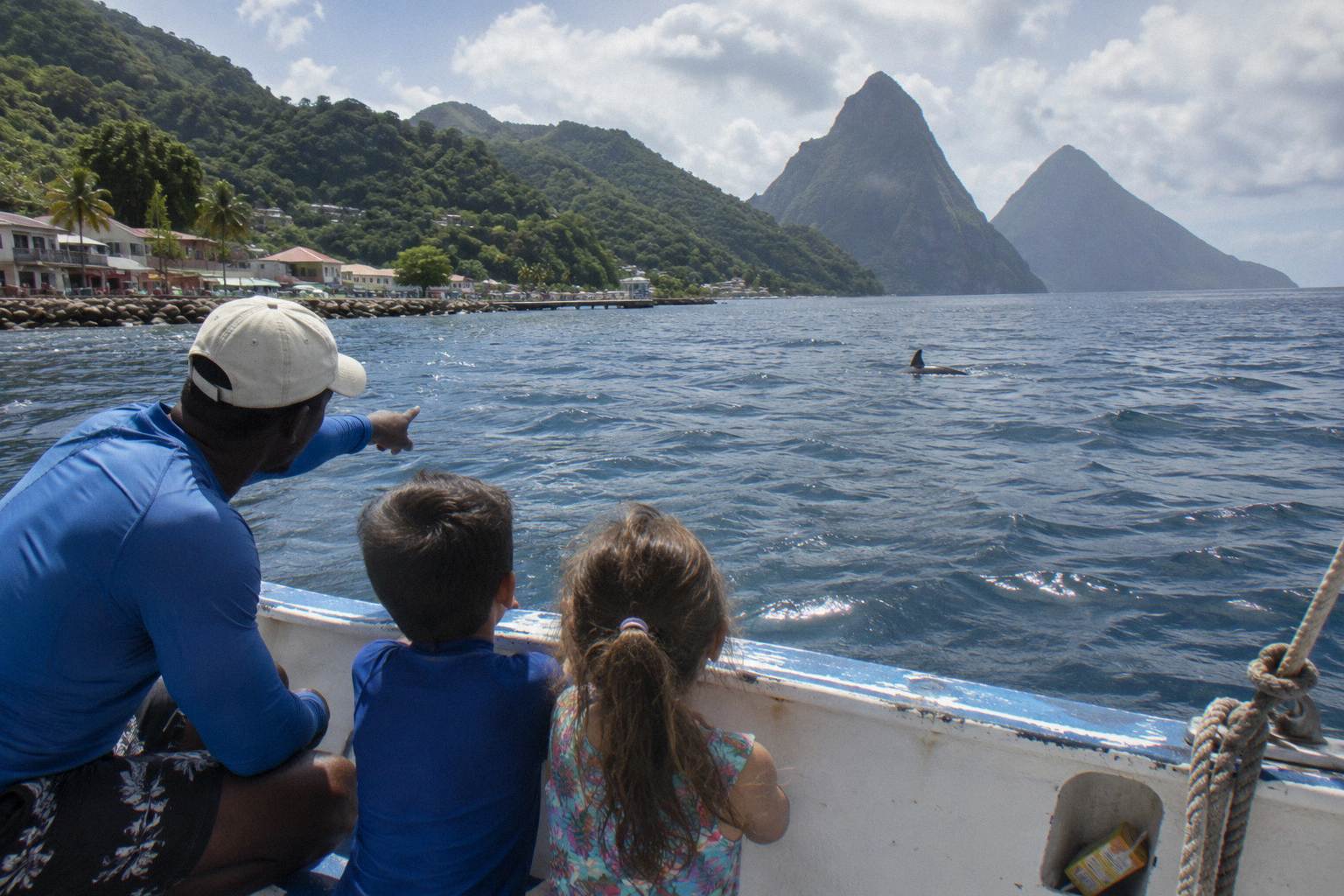
None of that makes a November trip a waste. Spinner dolphins are frequently sighted year-round, and pantropical spotted and bottlenose dolphins are common in the warm water off the west coast. Pilot whales live in resident pods that can sometimes be seen through the year, travelling in close family groups. For many visitors a boat full of dolphins bow-riding off Castries is the memory they take home anyway, and that is on the table every month.
What a November date cannot honestly offer is a promise, and no date can. Sightings depend on weather, season and the animals' own movements, so every encounter is a chance rather than a guarantee. Anyone selling certainty in November, or in any month, is selling something no source backs. The official tourism board wording is careful for a reason, and this page follows it.
If you are weighing a booking for a fixed November date, two trips operate from Castries, a shared cruise and a private charter, and the rest of this page works through what each offers against the realities of the month.
What Can You See In November?
Start with the dolphins, because they carry most November trips. Spinner dolphins are the species the tourism board describes as frequently sighted year-round, and they are the ones most likely to appear in numbers, leaping and spinning in the boat's wake. Pantropical spotted dolphins are common in warm offshore water, especially along the west coast where the shelf drops away quickly. Bottlenose dolphins, the familiar aquarium-shaped species, are also listed as common. Fraser's, Risso's and striped dolphins are recorded in the region but seen less often, so treat any of those as a bonus rather than a plan.
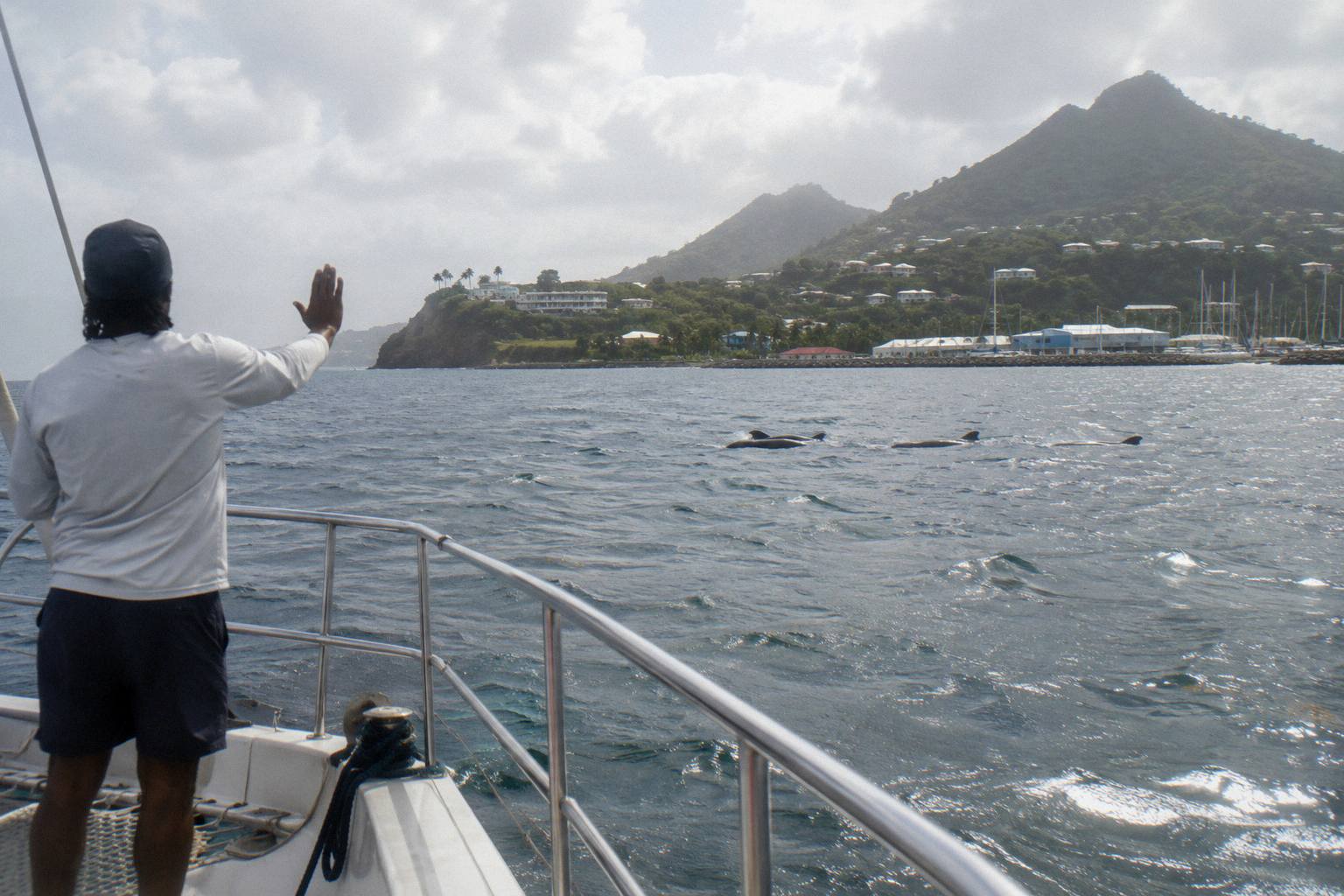
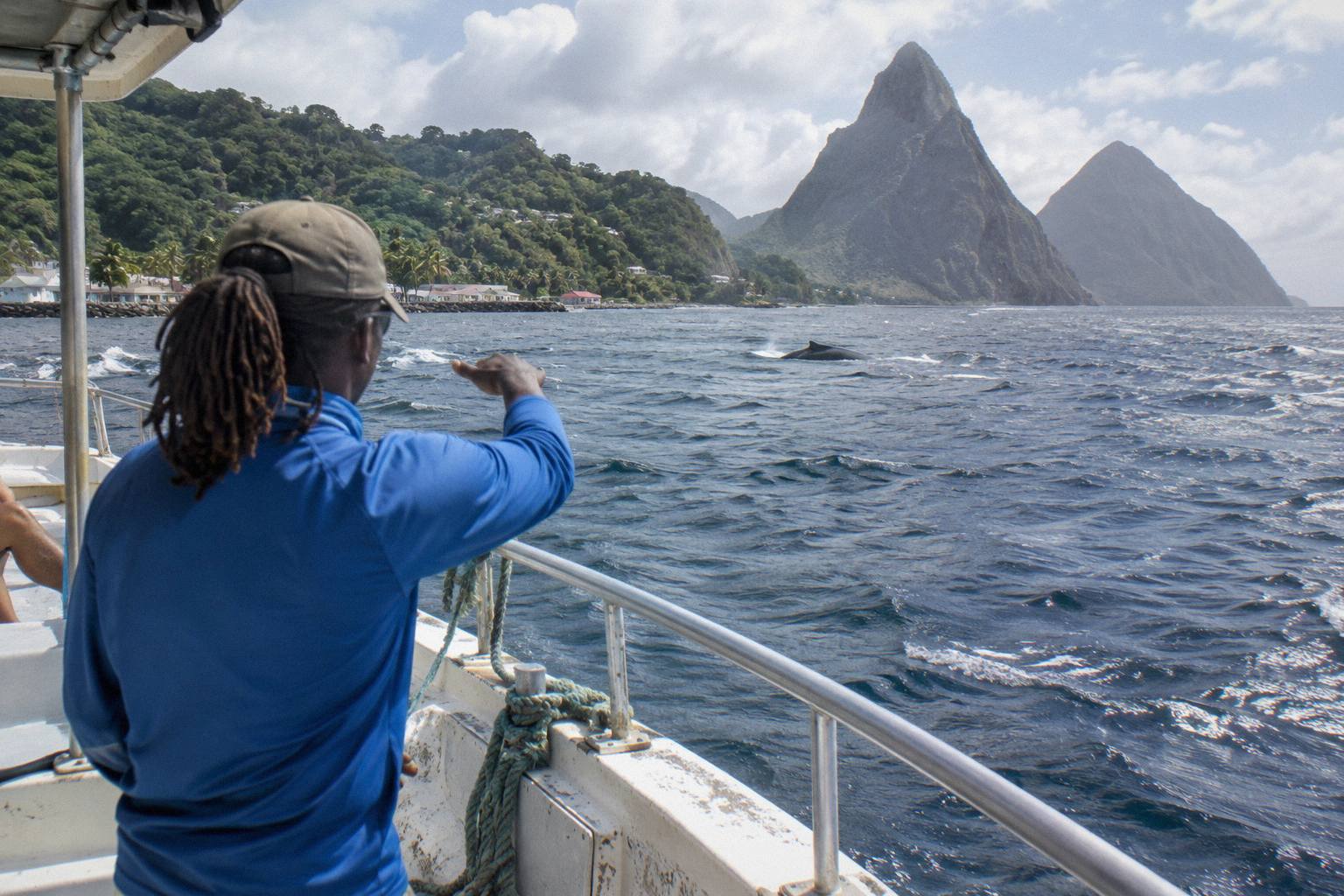
Pilot whales are the other reliable thread. Despite the name they are members of the dolphin family, large ones, and they live around Saint Lucia in resident pods that can sometimes be seen through the year in close-knit family groups. A November encounter with a resting pilot whale pod, logged bodies at the surface, is a genuine possibility. Some visitors ask whether what they saw was a pilot whale or a false killer whale, a similar-looking animal, and the honest answer is that identification at sea is a job for the guide on the boat, who watches the animals in front of the bow rather than working from a checklist.
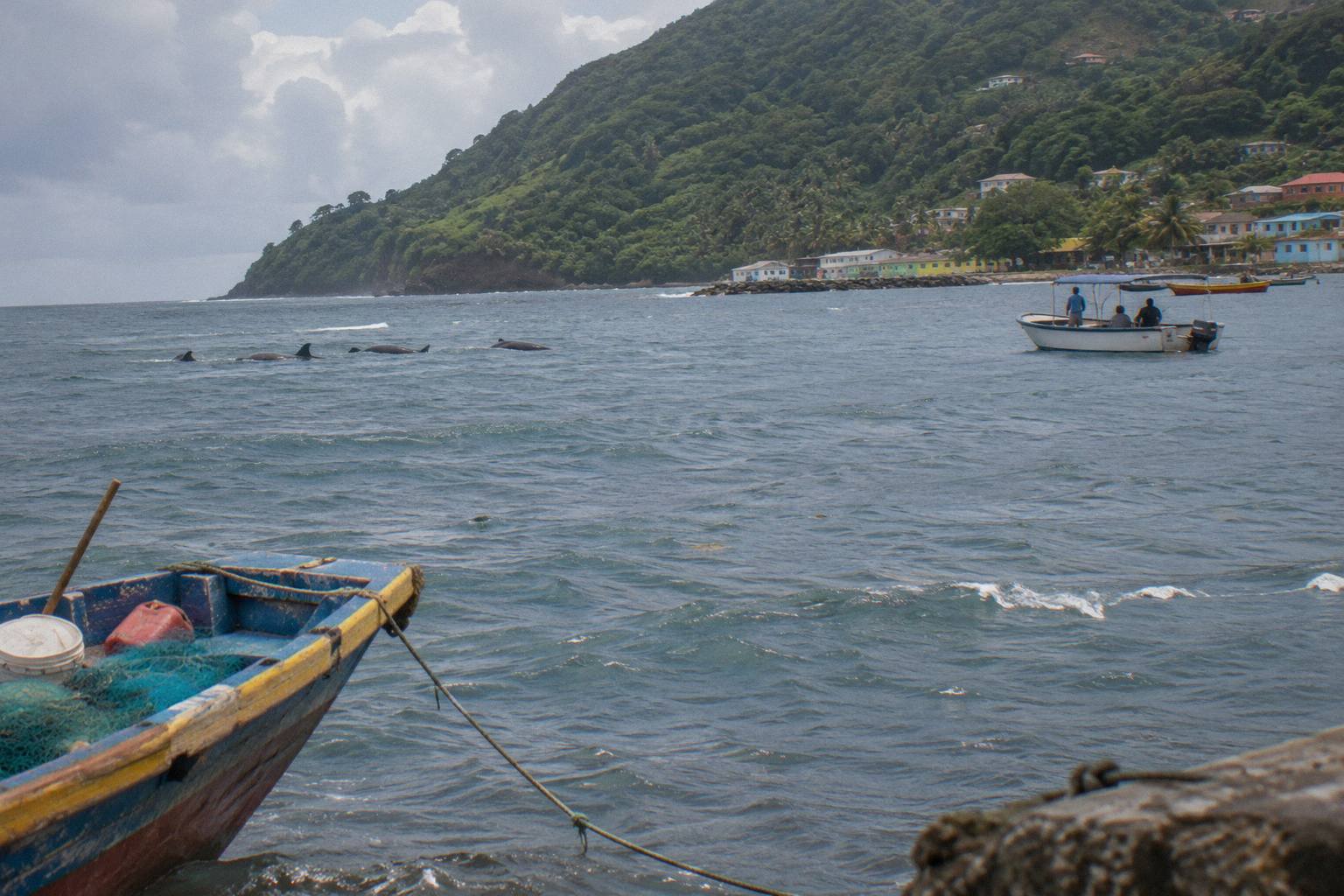
Sperm whales are the deep-water wildcard. The official wording is that they are considered resident in the region and occasionally sighted in deeper waters, which is a carefully hedged sentence and should be read exactly as written. Sperm whales here belong to the wider Eastern Caribbean population that the Dominica Sperm Whale Project studies, and no one publishes a Saint Lucia head count, so any number you may have seen elsewhere should be treated with caution. An encounter happens on some trips, not most, and never on a schedule.
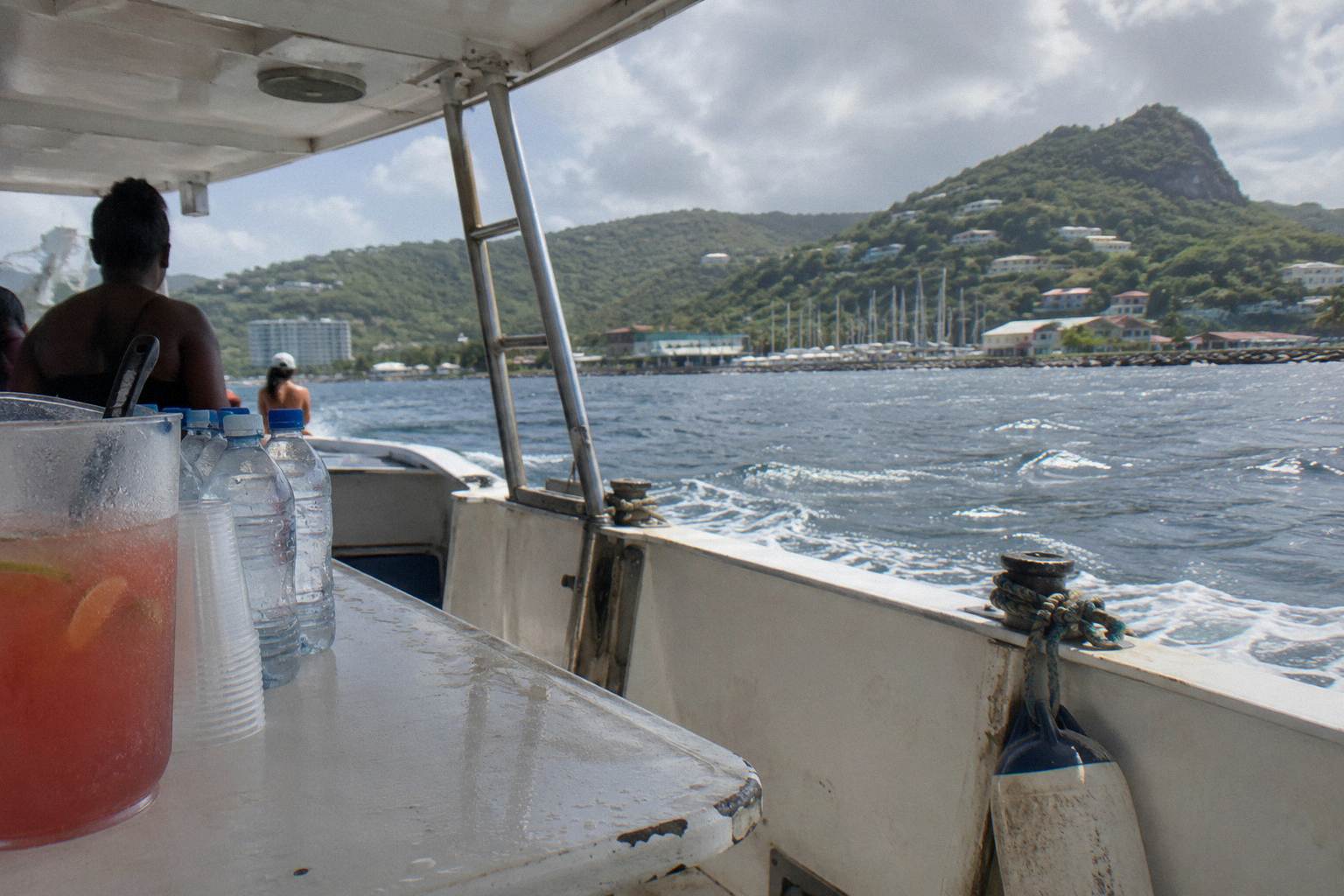
The shared cruise from Vigie Marina names sperm whales, pilot whales, spinner, spotted and Fraser's dolphins among the species it watches for, with humpbacks in season, so the trip's own species list matches the official picture. A local marine expert is aboard, which matters in November when identification questions come up.
For a wider view of the resident species, the guide on dolphin species and where to look breaks down the same official list in more detail.
Are Humpbacks Around In November?
This is the single most common point of confusion for November visitors, and it deserves a plain explanation. Humpback whales migrate through the eastern Caribbean on a northern-hemisphere-winter schedule, passing through the region between roughly February and April. That is the window the Saint Lucia tourism board publishes, and it is the only one this site treats as official. Some operators report humpbacks from December, which suggests the very early edge of the migration can occasionally arrive ahead of schedule, but November sits before even that optimistic start.
The reason the confusion exists at all is that Saint Lucia, the Caribbean island, shares a name with a very different place, St Lucia in South Africa, where humpbacks pass between June and November on a southern-hemisphere schedule. A search for November humpbacks can quietly mix the two. If you have read that November is prime humpback time, that fact belongs to another ocean entirely and does not travel with the name.
There is no softening this into "you never know" advice, because that would shade into implying a chance no source backs. The tourism board's own summary is that whale and dolphin watching runs year-round, and February to April adds the chance of humpbacks. Read in reverse, that sentence tells you what November does and does not add: everything except humpbacks. November trips do sometimes log the odd early report from operators who start watching for them in December, but a mid November date is days away from even the earliest operator window, and the honest framing is unlikely.
If humpbacks are the reason you are travelling and your dates have any flexibility, the planning move is obvious: push the trip toward February, March or April, when the official window is open and the seas are also in their calmer stretch. The guide on the best time to see whales month by month lays out the full calendar, and the page on humpbacks in Saint Lucia from February to April covers that season in depth.
For a fixed November date, the mental shift is simple. Book because dolphins and pilot whales are real, year-round possibilities, and because a morning on the water off the west coast is a good morning on its own terms. If a humpback appears, it is a story for the rest of your life, but nobody should pay for the trip on that basis.
What Is Hurricane Season Doing In November?
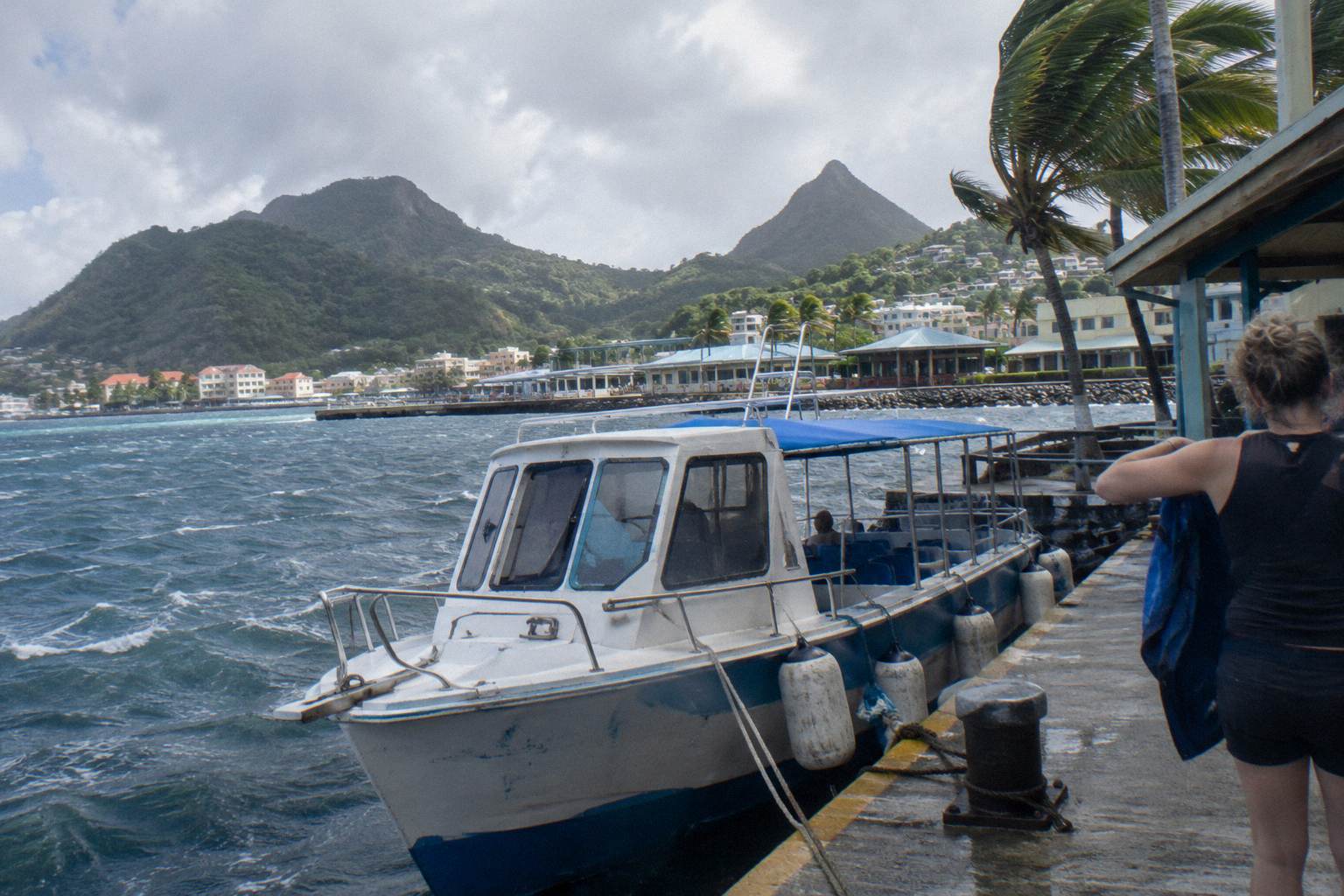
The Atlantic hurricane season officially runs June 1 to November 30, so mid November sits inside its final weeks. The Saint Lucia Meteorological Service marks that end date officially, and seas around the island are typically calmer from December to May. In practice November trips run, but sea conditions are the variable most worth watching.
The season's official boundaries come from the Saint Lucia Meteorological Service, whose end-of-season release confirms November 30 as the close. That does not mean a storm is bearing down on your holiday; it means the window in which tropical systems form in the Atlantic is still technically open, and conditions at sea can be livelier than they are from December onward. The tourism board's guidance that seas are typically calmer from December to May is the practical planning line, and it exists precisely because the months before December carry more variability.
What this means for a whale watching booking is concrete rather than dramatic. Operators monitor sea conditions, and licensed trips follow regulated practices that include monitoring the weather and providing life jackets and safety briefings. A trip that cannot run safely does not run, and the cancellation terms, covered in full further down this page, are built around that reality. The shared cruise operator says that if the captain cancels for unsafe weather there is an alternative date or a refund, and the private safari is cancelled free for bad weather.
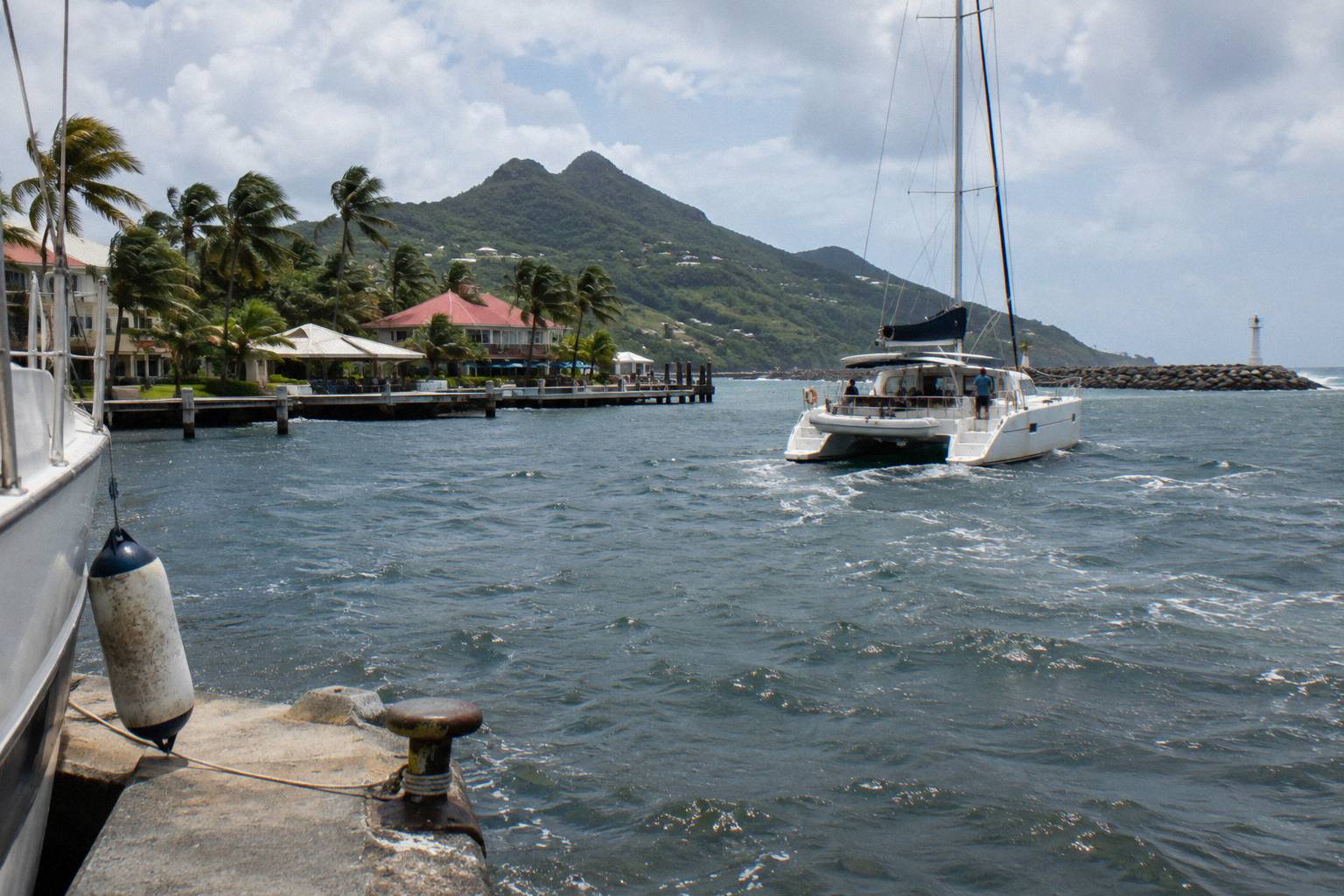
One thing this article will not do is blame the season for sightings. There is no basis for claiming that hurricane season is why a whale did not appear, so it is not said here. What the season affects is the water and the go-or-no-go decision, not which animals live offshore. The dolphins and pilot whales are there regardless; the question on any given November morning is whether the sea invites a comfortable trip.
Packing advice follows the same logic. Sun protection, a hat, a light layer for spray and a camera cover the basics for any month, and anyone prone to motion sickness should ask about boat size when booking, since a larger vessel can handle a swell differently than a smaller one. No seasickness remedy claims belong on this page; that is a conversation for a pharmacist or doctor, not a travel article. The longer guide on hurricane season and whale cruises works through the whole season in more detail.
Which Trip Suits A November Date?
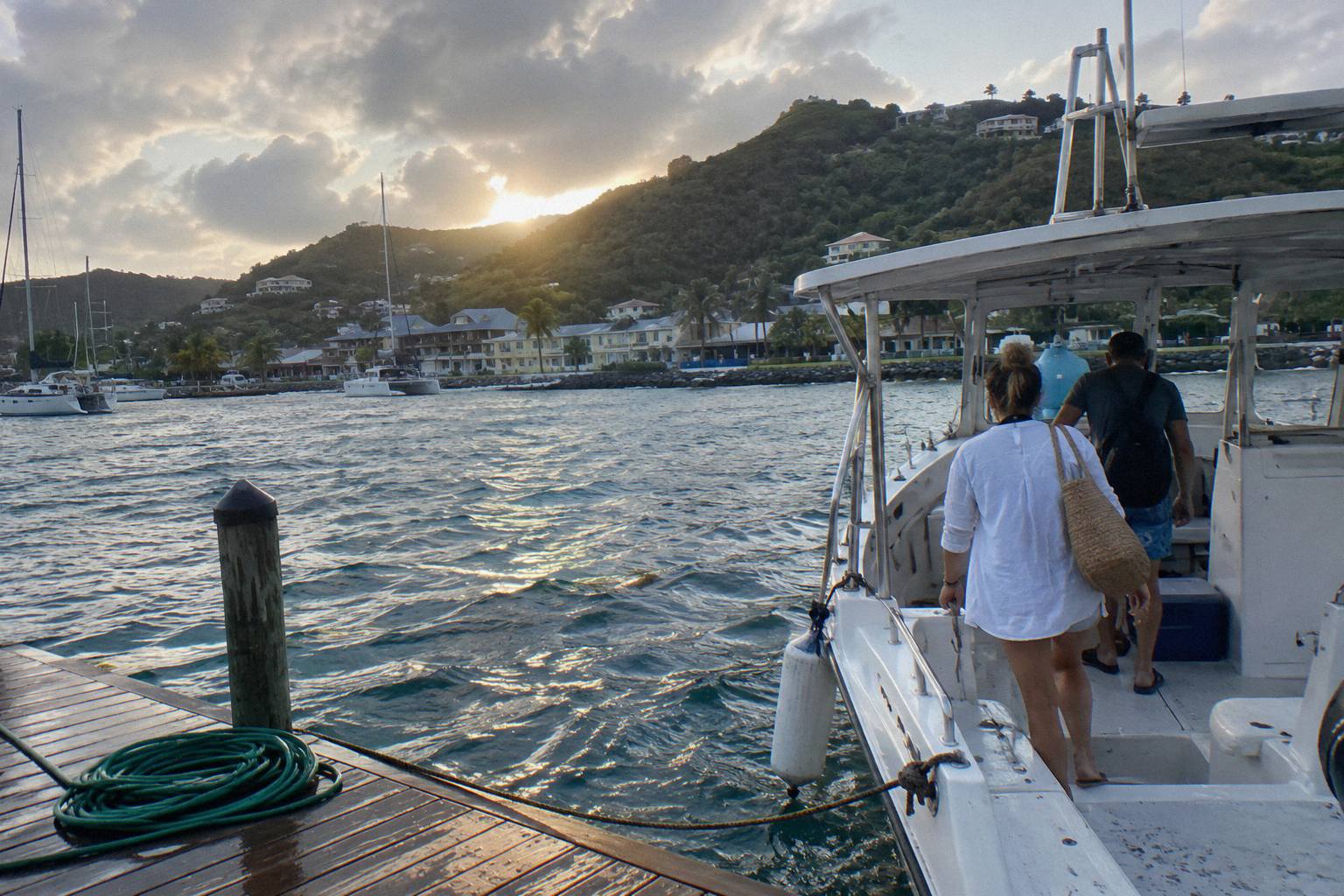
Two trips cover this ground from Castries, and the choice is shared versus private. The shared cruise runs about 3.5 hours from US$65 per person on a custom 60 ft boat, rated 4.5 from 200 reviews. The private safari runs about 4 hours from US$2,550.65 per boat for up to 40 guests on a 50 ft catamaran, rated 4.5 from 75 reviews, with the price varying by date and group.
The Shared Whale And Dolphin Watching Cruise is the natural November default for most travellers. It departs Vigie Marina in Castries Harbour in the morning, carries a local marine expert, and includes bottled water, soft drinks and rum punch, with gratuities extra and no hotel pick-up. The operator, Captain Mike's, says it has over 60 years of experience and belongs to the Hackshaw family. It is rated 4.5 from 200 reviews, from US$65 per person, and confirms instantly. Group size is not published, so if a crowded deck matters to you, ask when booking. The per-person maths is simple: US$65 each is US$130 for 2, US$260 for 4, US$390 for 6.
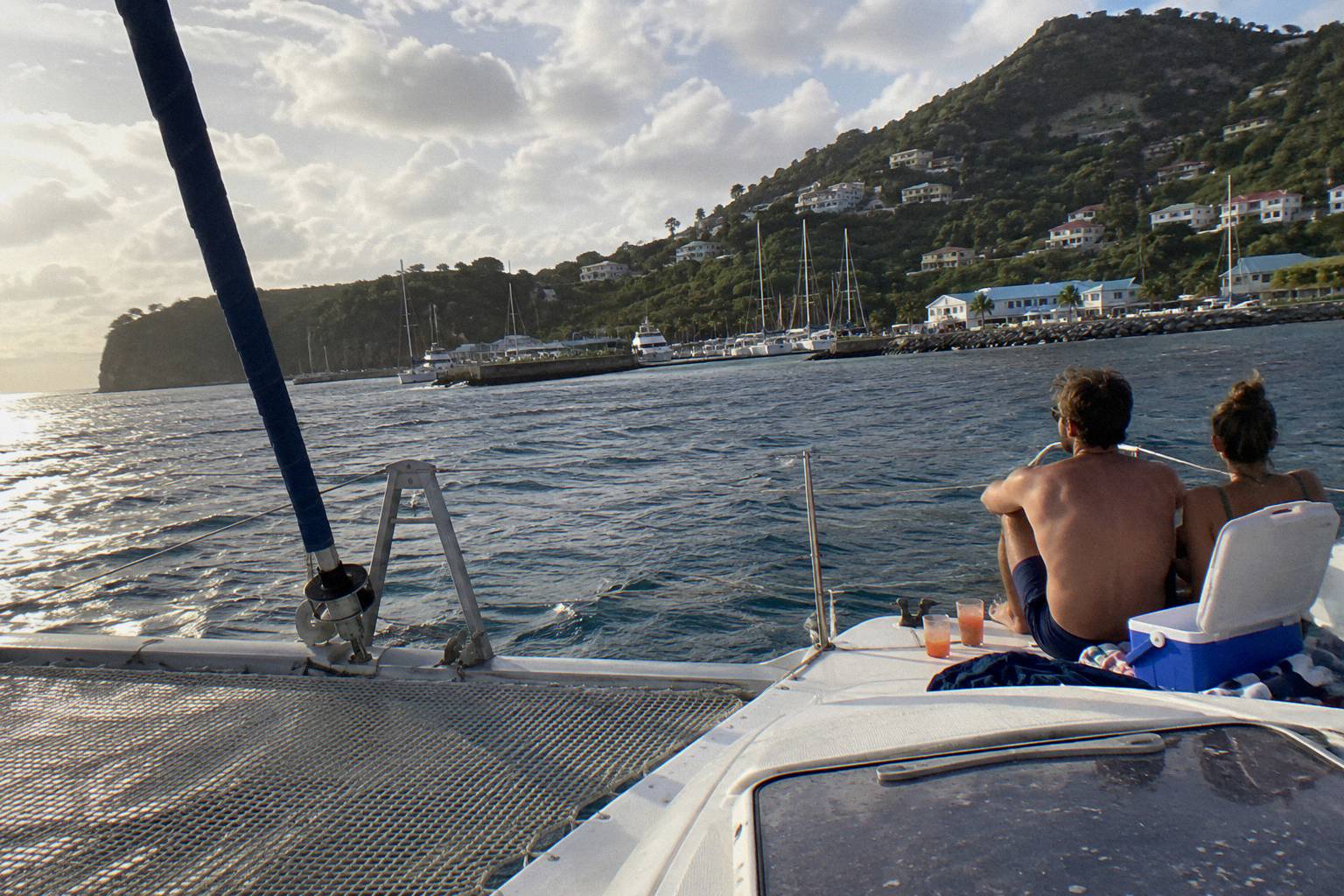
The Private Premium Whale And Dolphin Safari is a different animal entirely: private to your group, priced per boat, never per person, about 4 hours on a 50 ft catamaran carrying up to 40 guests. It includes a guide, soft drinks, coffee, tea, water, light snacks, rum punch and local fruit, plus cruise ship pier pick-up and drop-off, but not hotel pick-up or gratuities. The operator, Hackshaw's Boat Charters, says it has run since 1953 and is World Cetacean Alliance certified, both framed here as the operator's own statements. For illustration, not a quote: US$2,550.65 shared by 4 guests is about US$637.66 each; by 6 about US$425.11; by 8 about US$318.83; by 12 about US$212.55. The booking page confirms the live price, which varies by date and group.
| Shared cruise | Private safari | |
|---|---|---|
| Price basis | From US$65 per person | From US$2,550.65 per boat |
| Length | About 3.5 hours | About 4 hours |
| Boat | Custom 60 ft vessel | 50 ft catamaran, up to 40 guests |
| Departure | Vigie Marina, Castries, morning | Vigie Marina, Castries, time arranged with operator |
| Rating | 4.5 from 200 reviews | 4.5 from 75 reviews |
| Drinks and food | Water, soft drinks, rum punch | Drinks, coffee, tea, snacks, rum punch, local fruit |
| Cruise pier transfer | Not included, taxis available | Included |
Neither trip is ranked above the other here, because they answer different questions. November strengthens the case for the shared cruise slightly, since a fixed-date solo traveller or couple is betting less on a month without humpbacks. The private charter earns its keep for larger groups and special occasions, and its pier pick-up matters for anyone arriving by ship, a case the next section takes up. Whichever you lean toward, Check availability for your exact November date, since the private safari's start time is arranged with the operator rather than fixed in the listing.
What If You Are On A Cruise Ship In November?
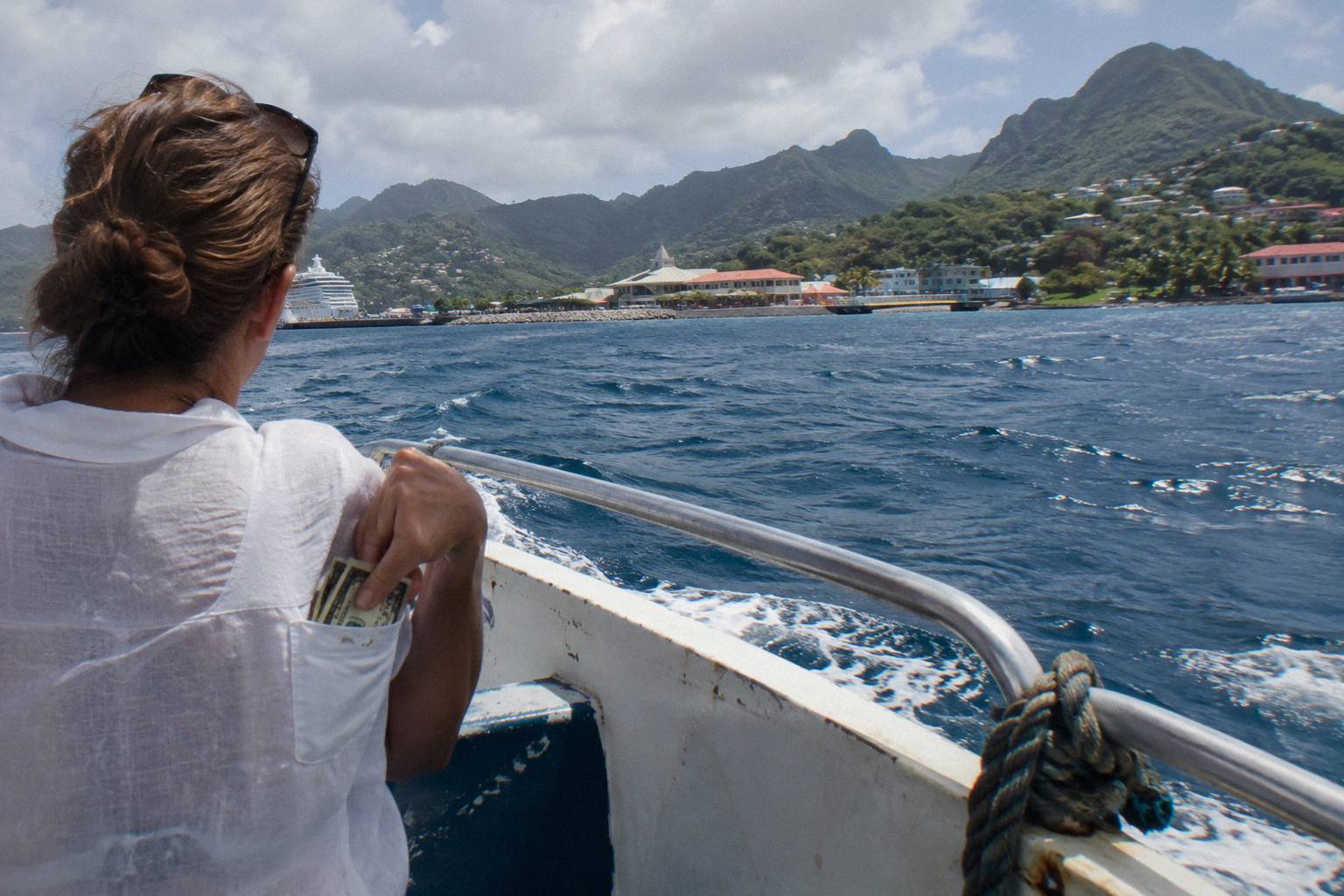
The arithmetic is the whole game on a port day. The shared cruise's 3.5 hours and the private safari's 4 hours are on-the-water figures, and either way you need to reach Vigie Marina in Castries Harbour first. For the shared cruise that is your own arrangement: it departs a short distance from the Pointe Seraphine cruise terminal, and taxis are readily available, though no road time is printed here because none is published. The private safari removes that leg entirely by including pier pick-up and drop-off, which is precisely why it is often the smoother fit for a ship day.
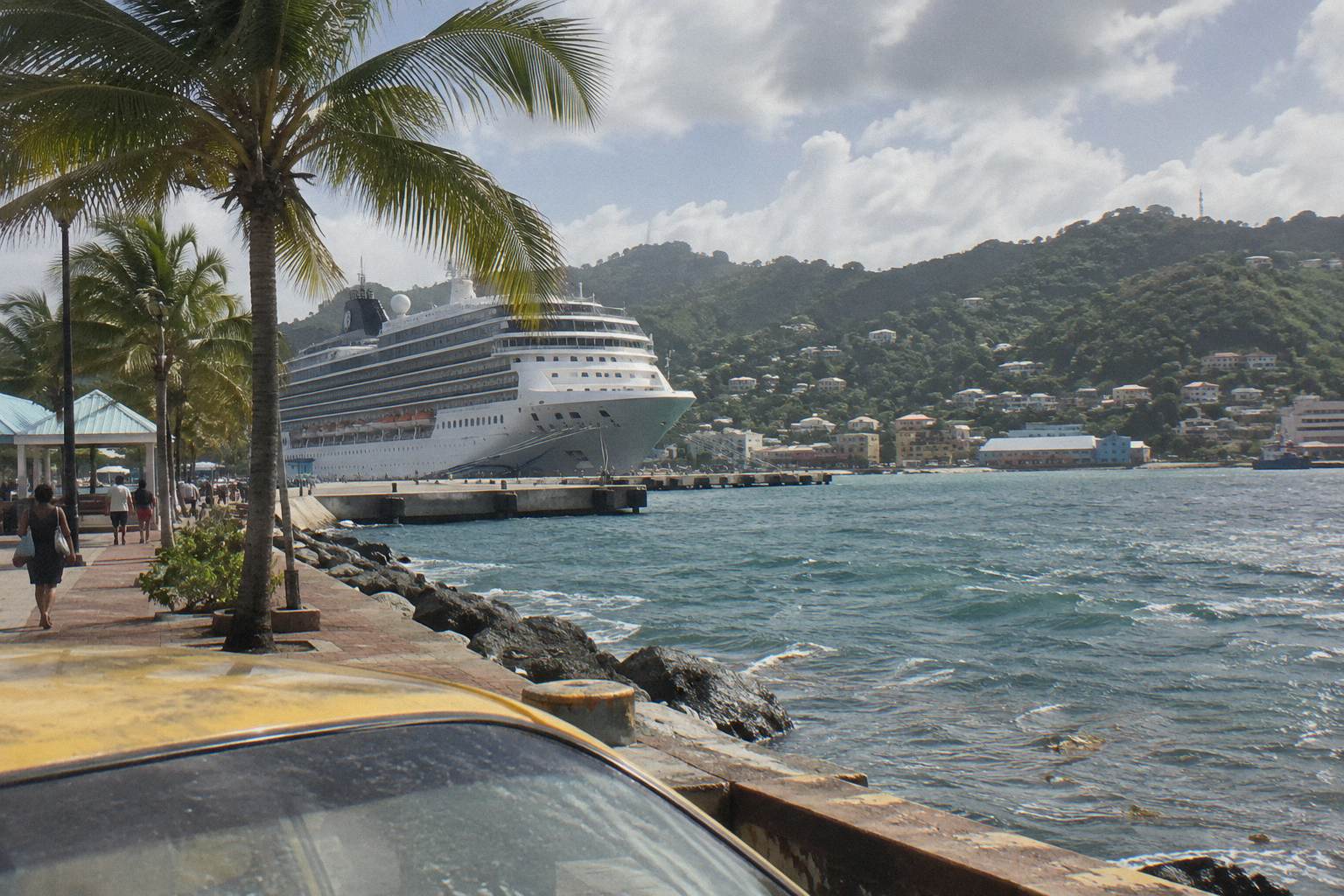
No cruise line is named on this page, no port timetable is printed and no return time is promised, because all of that varies by sailing. The responsibility sits with you in one specific way: check your ship's all-aboard time before booking, and ask the operator about timing when you book. The morning departure pattern of the shared cruise aligns with how trips in the north-west generally run, since boats usually leave in the morning and last three to four hours, but your specific call window is the deciding factor, not the general pattern.
November adds one small consideration for cruise passengers. The month sits at the tail of the official hurricane season, which can occasionally shuffle itineraries, so the free-cancellation terms discussed in the next section matter more on a November sailing than a March one. Booking a trip that cancels free up to 24 hours before departure, on a date you control less than a land guest would, is simply the lower-stress route.
How Does Cancellation Work?
Both trips cancel free up to 24 hours before departure on the booking path. The private safari is additionally cancelled free for bad weather, and the shared cruise operator says a captain's cancellation for unsafe weather brings an alternative date or a refund. No rebook-if-no-sighting policy exists on either trip, and none should be assumed.
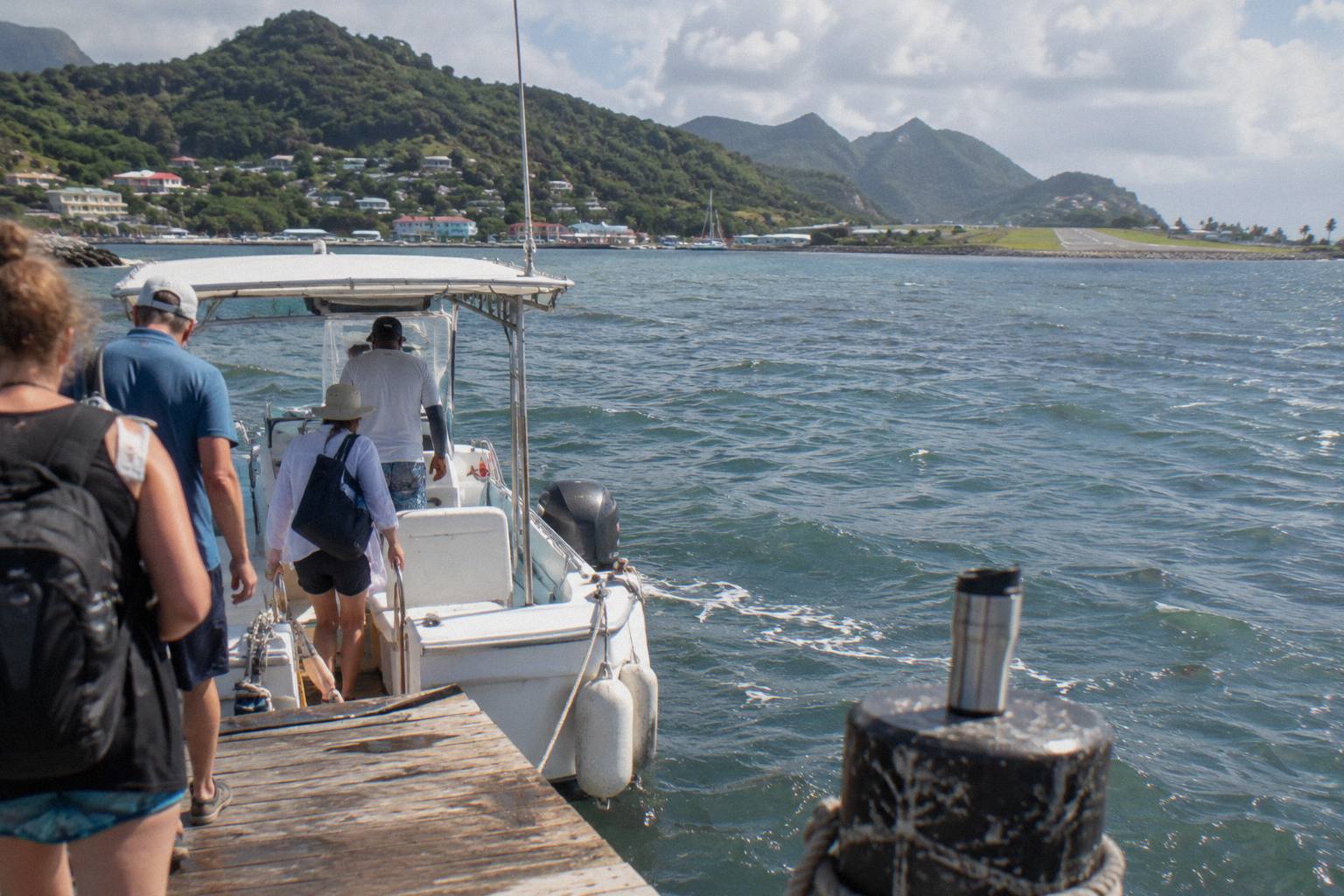
Those are the whole published terms, and they are worth reading closely on a November date. The 24-hour window is straightforward: change of plans more than a day out costs nothing. The weather provisions matter more in November than in the calmer December-to-May stretch, because the final weeks of the official hurricane season are when a captain's call is most likely to be exercised. The private safari states free cancellation for bad weather in its terms; the shared cruise's weather provision is an operator statement rather than listing text, and it is presented here as such.
The line that does not exist is the one some visitors hope for. Neither trip promises a rebook or a refund if the animals do not show, and inventing such a policy, or implying one, would misrepresent what is on sale. What you are buying is the trip, the boat, the guide and the hours on the water where the animals live; the encounter itself is a chance. In November, with the year-round species as the realistic quarry, that framing is exactly what a careful buyer should hold onto.
Confirmation speed also differs and can matter on a short lead time. The shared cruise confirms instantly, which suits a decision made the day before. The private safari does not confirm instantly; the operator confirms, so a November booking made inside the final 24 hours is not a workable plan for either trip anyway, given the cancellation cutoff.
Practical entries for the island itself barely differ by month, but they belong with any booking decision: a valid passport for your stay plus proof of onward travel, no visa for US, UK or Canadian citizens, and air arrivals are encouraged to complete the online immigration form up to 3 days before travel, per the official guidance at stlucia.org. Currency is the Eastern Caribbean dollar, fixed at EC$2.70 to US$1, and US dollars are widely accepted, per the tourism board's currency guidance.
Common Mistakes With A November Date
The recurring November mistakes are booking expecting humpbacks, assuming a sighting guarantee, ignoring the 24-hour cancellation cutoff, misreading South African St Lucia advice as Caribbean advice, and blaming the hurricane season for empty water. Each one is avoidable with the facts already on this page, and none of them requires luck to dodge.
The humpback mistake is the expensive one. Some travellers book a November trip as a cheaper or quieter alternative to March, imagining the same animals, and come home disappointed. The official window is February to April. November's honest pitch is dolphins, pilot whales and the deep-water chance of sperm whales, and a booking made on that basis is a fair one. The seasonal facts come straight from the tourism board's whale and dolphin watching page, and they do not bend for a hopeful traveller.
The guarantee mistake is rarer but persistent. No operator, month or price level guarantees a sighting, and any percentage you have seen quoted anywhere should be treated as an operator claim rather than a verified fact, which is why none is printed here. Its cousin is assuming a no-show means a refund; it does not, as the cancellation section explains. The name mix-up, confusing the two St Lucias, feeds directly into the humpback mistake, since the South African town's June-to-November humpback season is the mirror of the Caribbean one. This site, St Lucia Whale Watching, covers the Caribbean island only.
| Month | What the sources say |
|---|---|
| February to April | Official humpback migration window |
| December | Some operators report humpbacks; calmer seas begin |
| December to May | Seas typically calmer |
| May to November | Humpbacks unlikely; dolphins and pilot whales year-round |
| June 1 to November 30 | Official Atlantic hurricane season |
The final mistake is expecting children's ages or group sizes to be settled automatically. No minimum age is printed for the shared cruise; children travel with an adult, and the operator can advise when booking. Group size on the shared boat is not published either. Neither gap is a problem, both are questions to ask before you pay, and asking them is the habit that prevents most November disappointments before they start.
Common Questions About November Whale Watching In Saint Lucia
What Are The Chances Of Seeing Whales And Dolphins In Mid November?
Dolphins and pilot whales can be seen all year, so a mid November trip has genuine chances with those species, and sperm whales are occasionally sighted in deeper water. Humpbacks are unlikely between May and November. No sighting percentage is reliably published, so treat every encounter as a chance, never a promise.
Can You See Humpback Whales In Saint Lucia In November?
Not realistically. The official migration window is about February to April, and some operators report humpbacks from December. Mid November falls before even that early operator window, so a November booking should be made for the year-round species instead.
Is November Too Rough For A Whale Watching Boat Trip?
November sits inside the official hurricane season, which ends November 30, and seas are typically calmer from December to May. Trips still run, operators monitor conditions, and both trips cancel free up to 24 hours before departure, with the private safari also cancelled free for bad weather.
Which Dolphins Are You Most Likely To See In November?
Spinner dolphins are frequently sighted year-round, and pantropical spotted and bottlenose dolphins are common off the west coast. Fraser's, Risso's and striped dolphins are recorded less often. Pilot whales in resident family pods are also a year-round possibility.
Do You Get A Refund If You See No Whales In November?
No. Neither trip has a rebook-or-refund-if-no-sighting policy. Free cancellation applies up to 24 hours before departure, and weather cancellations are handled separately, but the sighting itself is a chance that is never guaranteed.