Whale And Dolphin Cruise Odds Off Saint Lucia: How Likely Are You To See Whales?
No honest source can put a number on your chance of seeing whales off Saint Lucia, and this page will not invent one. What the official tourism board does say is enough to plan around: dolphins and pilot whales are around all year, sperm whales live in the deeper water, and humpbacks pass through between about February and April.
Short answer
Your best odds come from dolphins and pilot whales, which the tourism board says can be seen all year. Sperm whales are considered resident and occasionally sighted in deeper waters. Humpbacks pass through roughly February to April and are unlikely May to November. Seas are typically calmer December to May. No sighting is ever guaranteed.
The question every reader eventually asks is not which boat or which price, but simpler: what are the odds? It is the last hesitation before booking a whale cruise, and it deserves a straight answer instead of a sales pitch. Operators publish their own sighting figures, and those figures disagree with each other, so none is repeated here as a promise. What follows is built from the official Saint Lucia tourism board material and the two published trips themselves: what is in the water, when, and what actually moves the needle on the day.
How Likely Are You To See Whales And Dolphins?
The honest answer is that dolphins and pilot whales are your strongest possibilities, because the tourism board says both can be seen all year, with spinner dolphins frequently sighted year-round and pilot whales resident in family pods. Sperm whales are considered resident in the region and occasionally sighted in deeper waters. Humpbacks pass through between about February and April. No percentage exists that is worth printing, and no sighting is ever a promise.
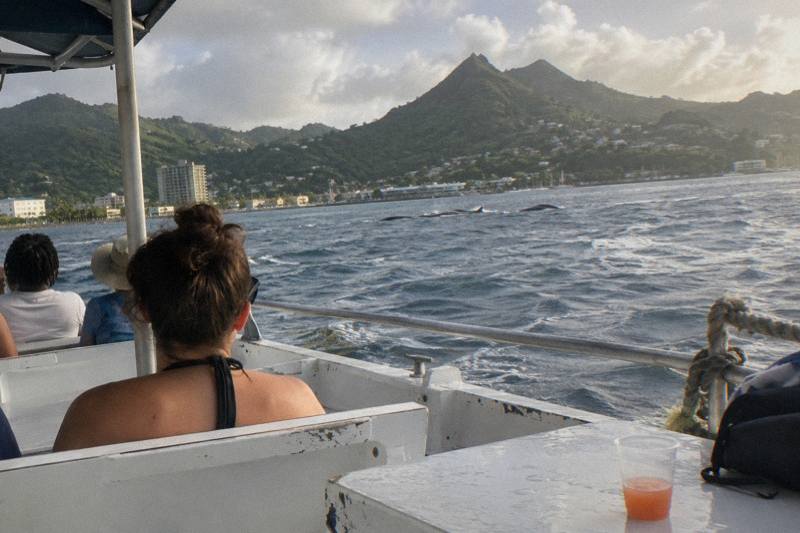
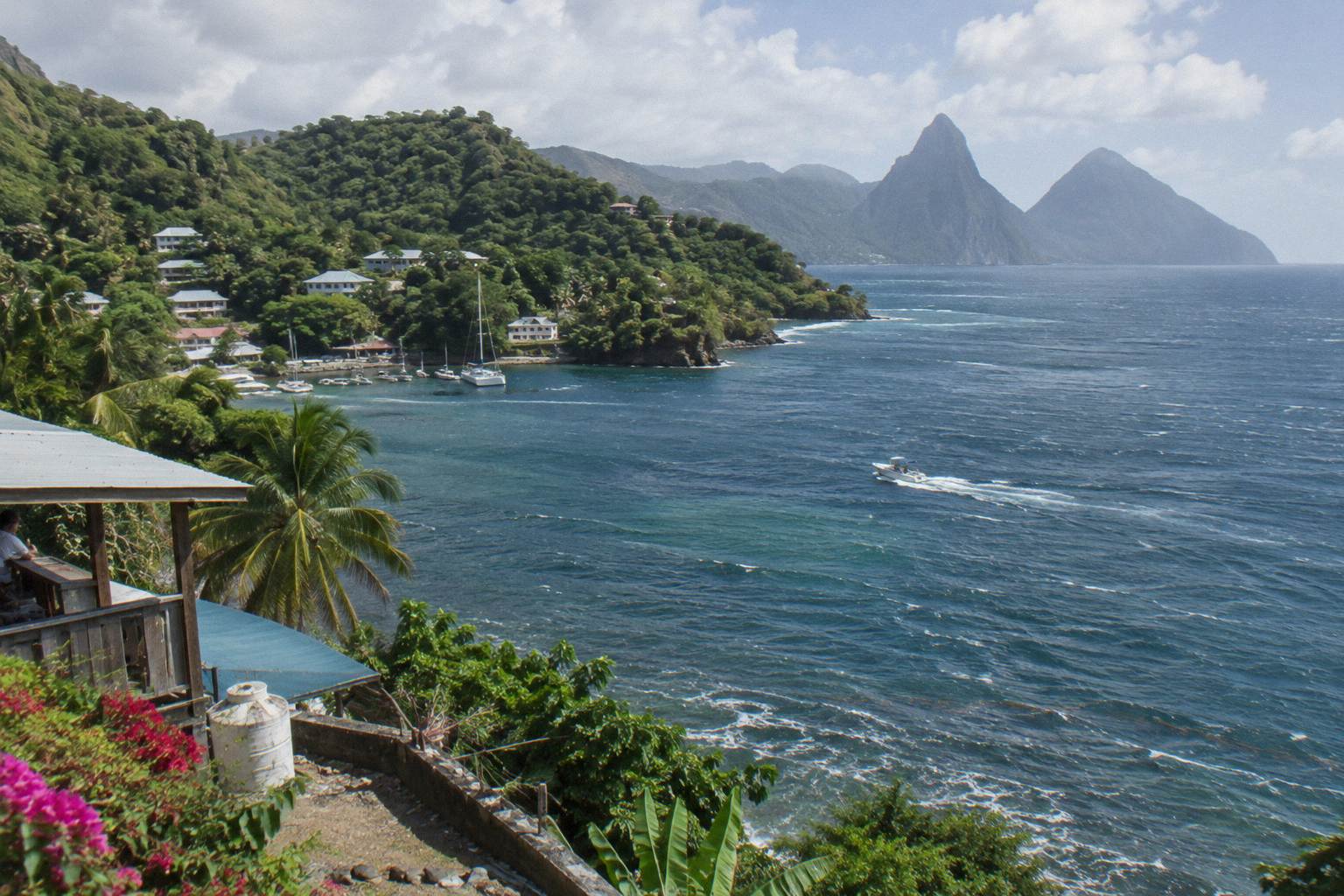
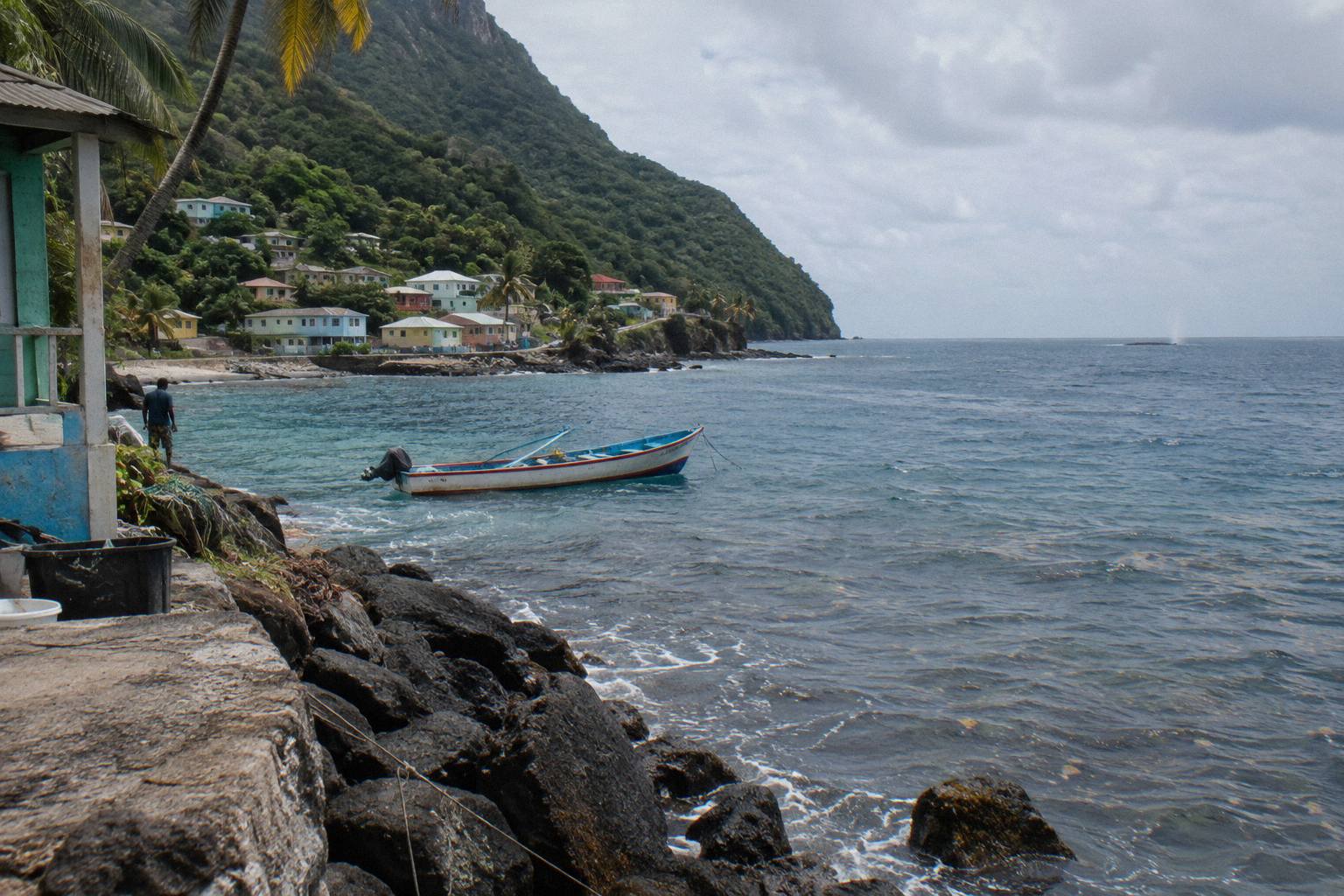
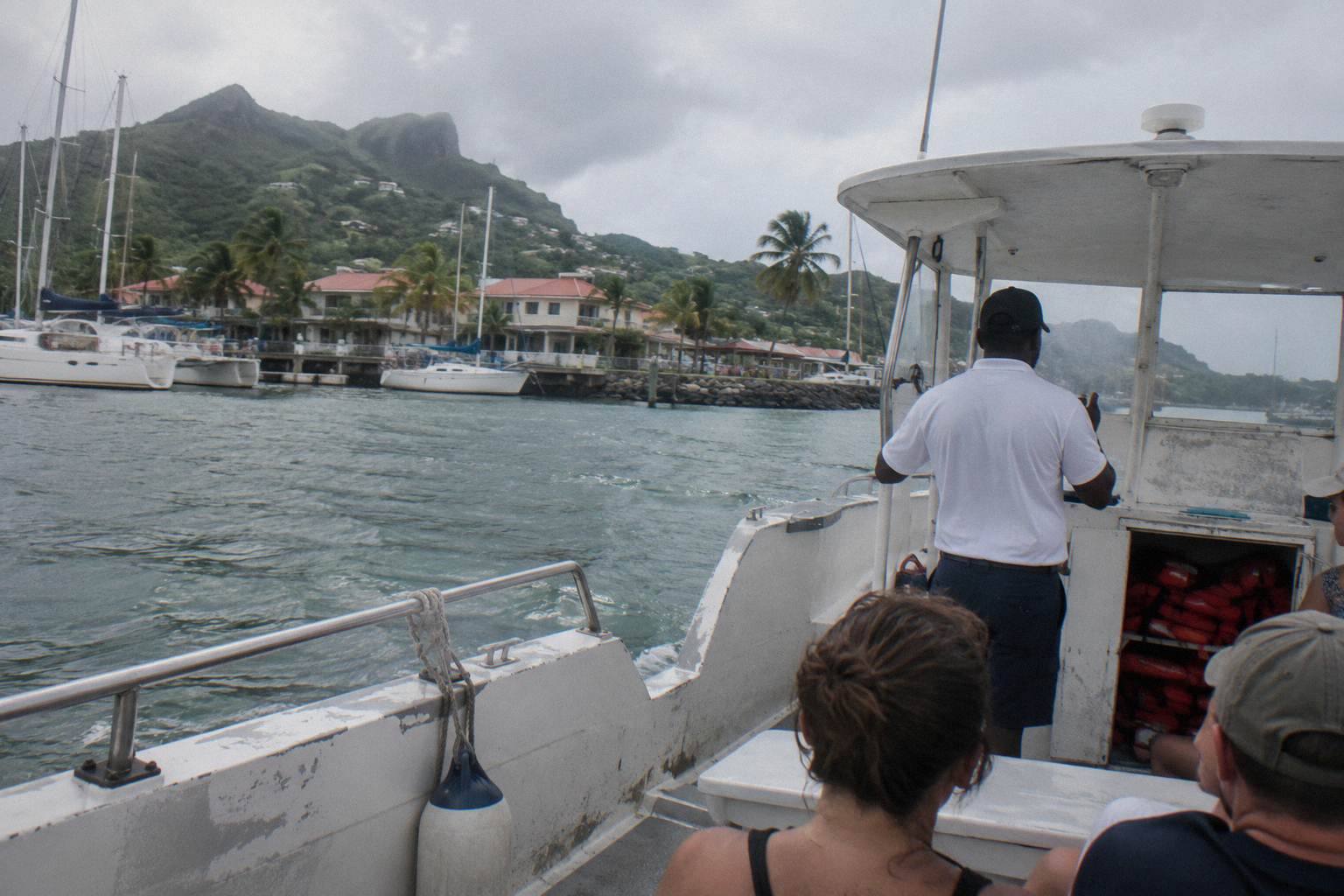
Start with the geography, because it explains why this small island supports a year-round whale watching industry at all. Deep water lies close to the west, Caribbean coast, so animals can be seen not far off shore rather than after a long haul to a distant shelf edge. Boats follow the Caribbean coast, and the official trip pattern is a morning departure lasting about three to four hours. The two published trips here, the shared Whale And Dolphin Watching Cruise and the private safari, both depart Vigie Marina in Castries, beside the island's George F. L. Charles airport.
Then layer on the season. Dolphins and pilot whales are the year-round base layer of any trip, and that is the official wording, not a marketing line. Above that sits the migratory layer: humpback whales pass through the region between about February and April, the official window. Some operators report them from December, which is worth knowing but is an operator claim rather than the tourism board's line. From May to November, treat humpbacks as unlikely. If a humpback is the specific animal you are crossing an ocean for, the calendar matters more than the boat does.
Sperm whales sit in their own category. The official wording is that they are "considered resident in the region and occasionally sighted in deeper waters," and those two words, resident and occasionally, are the whole story. They are neither a seasonal bonus nor a rarity you should ignore; they are a genuine possibility on any given day in the deeper water, which is where a whale watching boat tends to spend its time. Sperm whales off Saint Lucia belong to the wider Eastern Caribbean population, the same animals the Dominica Sperm Whale Project studies, and no Saint Lucia head count is published.
Orcas are rare visitors, full stop. They are on the record, which is why they get a mention, but nobody should plan a trip around them. For the full species picture, including the identification puzzle between pilot whales and false killer whales that trips up a lot of enthusiastic sightings, a guide on the boat identifies what is actually in front of it rather than what the passenger hoped it would be.
For a deeper look at each animal's habits, the dolphin species and where to look guide covers the year-round residents, and the sperm whales off Saint Lucia guide goes into the deep-water population.
What Controls Your Chances On The Day?
Four things move your odds more than anything else: the season, which sets which species are plausible at all; the weather and sea state, which decide whether boats sail comfortably and spot animals easily; the animals' own movements, which no operator controls; and the choice of boat and crew, which determines where you look and for how long. Sightings depend on all of them together, which is why no honest figure exists.
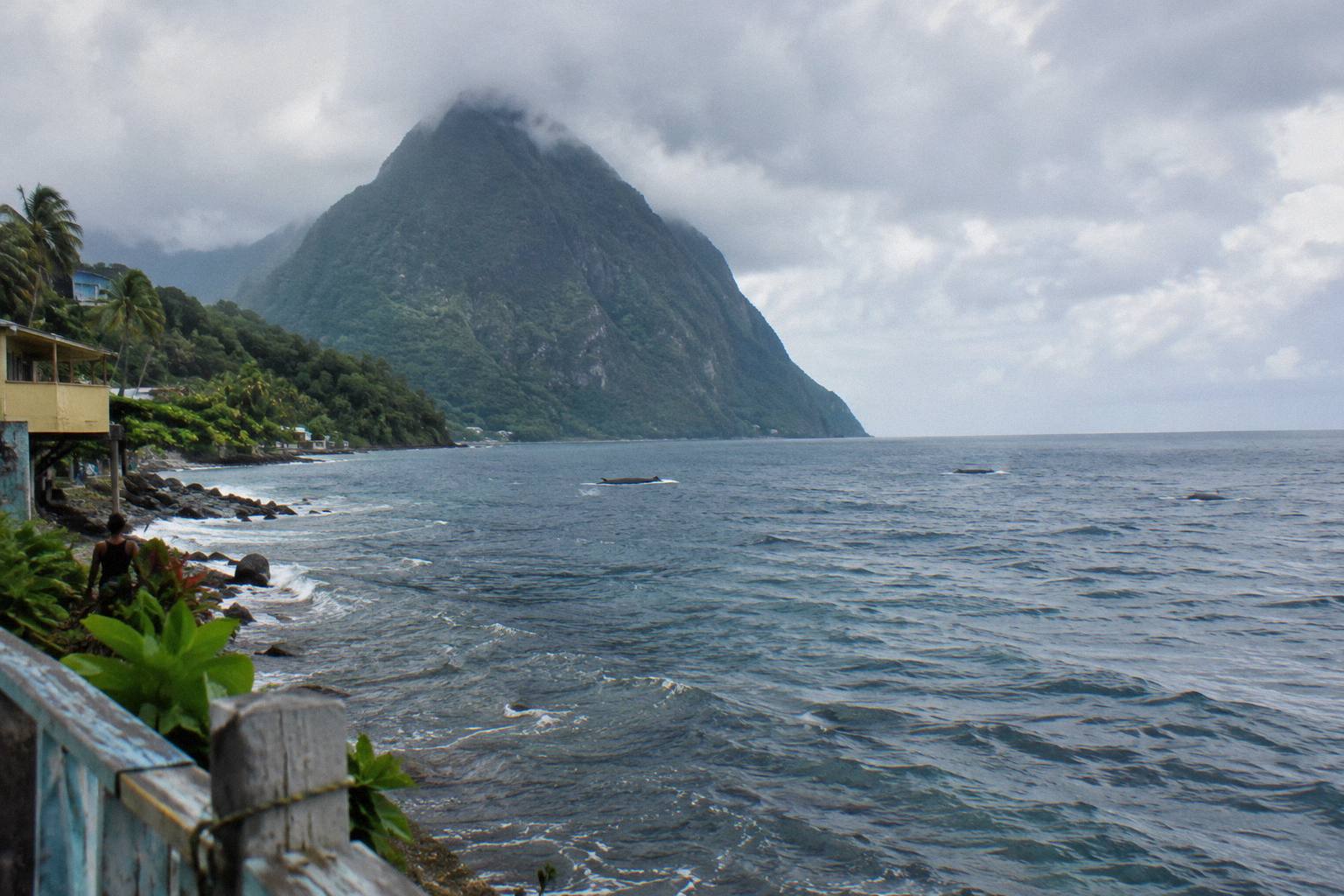
Season sets the ceiling. In February to April, the list of plausible animals includes humpbacks, and every other month it realistically does not. That does not make the other months empty, because the year-round species are still the year-round species, but it changes what a "successful" trip looks like. A December trip that finds spinner dolphins and a pilot whale pod has done exactly what the season said it could do.
Weather and sea state decide whether you can use the day at all. The Saint Lucia Meteorological Service notes the Atlantic hurricane season officially runs June 1 to November 30, and the tourism board's practical line is that seas are typically calmer from December to May. Calmer water is not just comfort: it is visibility. A calm sea shows a dorsal fin and a distant blow; a choppy one hides them. It also matters for how long you can comfortably stay out scanning, which is why the morning or afternoon question gets asked so often, and why trips usually leave in the morning.
The animals' movements are the part nobody can schedule. Pilot whales move in resident family pods, dolphins move with food, and sperm whales dive for long stretches in deep water. A boat can be in the right place with the right crew and still find quiet water, and a trip can be fully booked and delighted on the same route a day apart. That is whale watching everywhere, not a Saint Lucia weakness.
The choice of boat and crew is the part you control. Trip length matters, and here the two published options are about 3.5 hours shared and about 4 hours private, both following the coast in the morning with an expert aboard whose job is reading the water. The shared cruise carries a local marine expert and is rated 4.5 from 200 reviews; the private safari carries a guide and is rated 4.5 from 75 reviews. Neither rating is a sighting forecast, but both reflect a lot of mornings on this water.
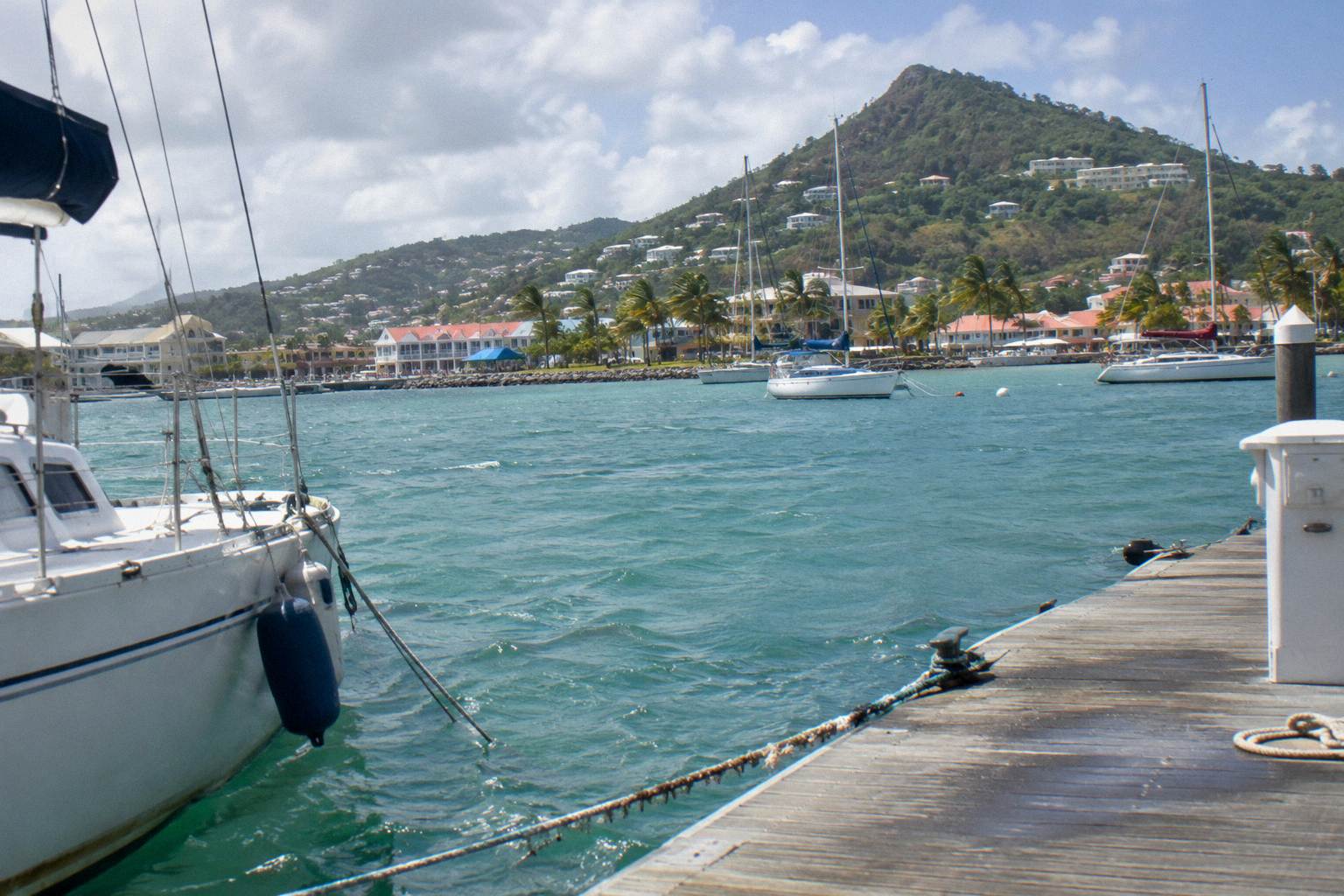
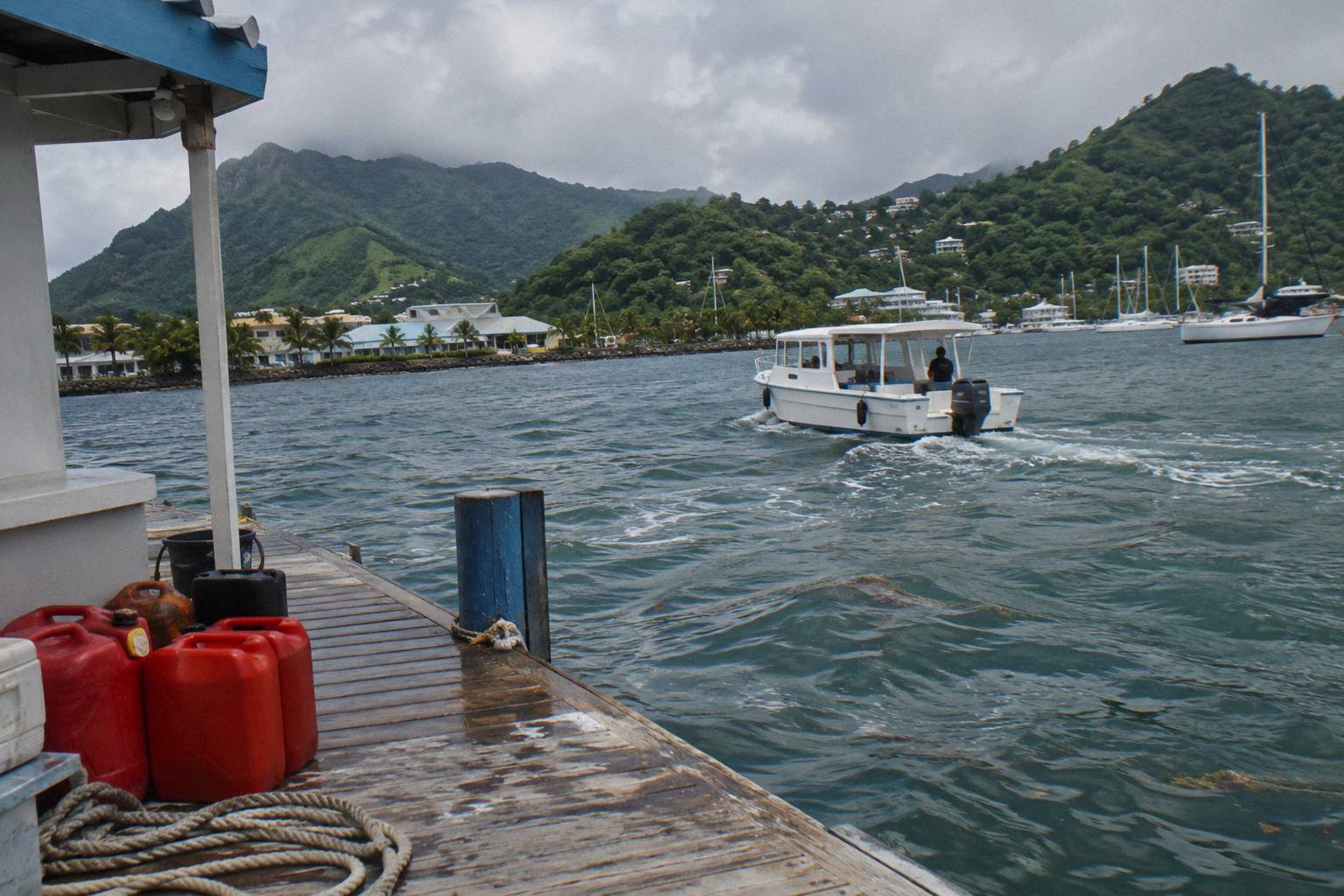
Both trips run from Vigie Marina in Castries Harbour, which keeps the deep water within easy reach of the departure point.
Which Animals Are Most Likely And Which Are Rare?
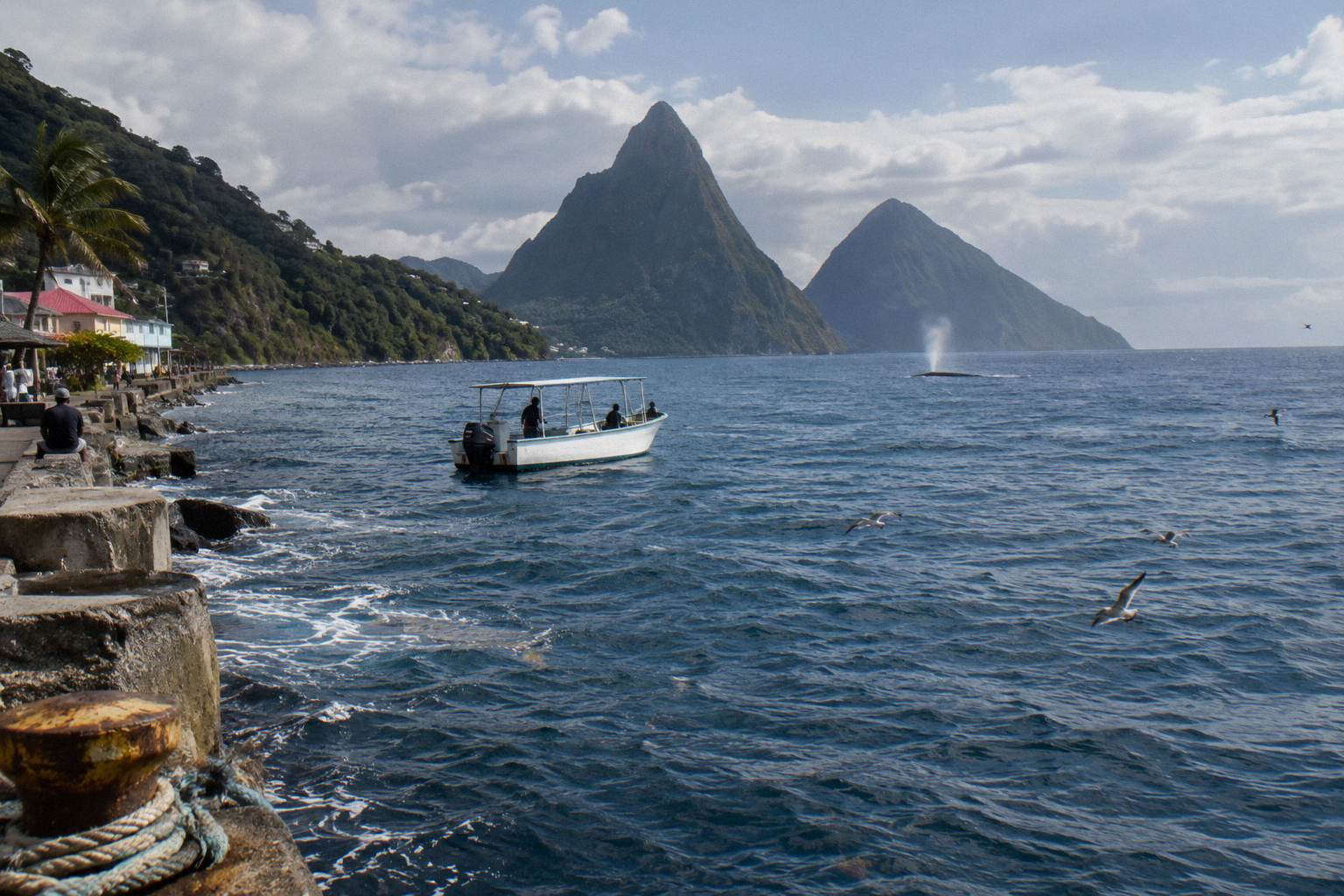
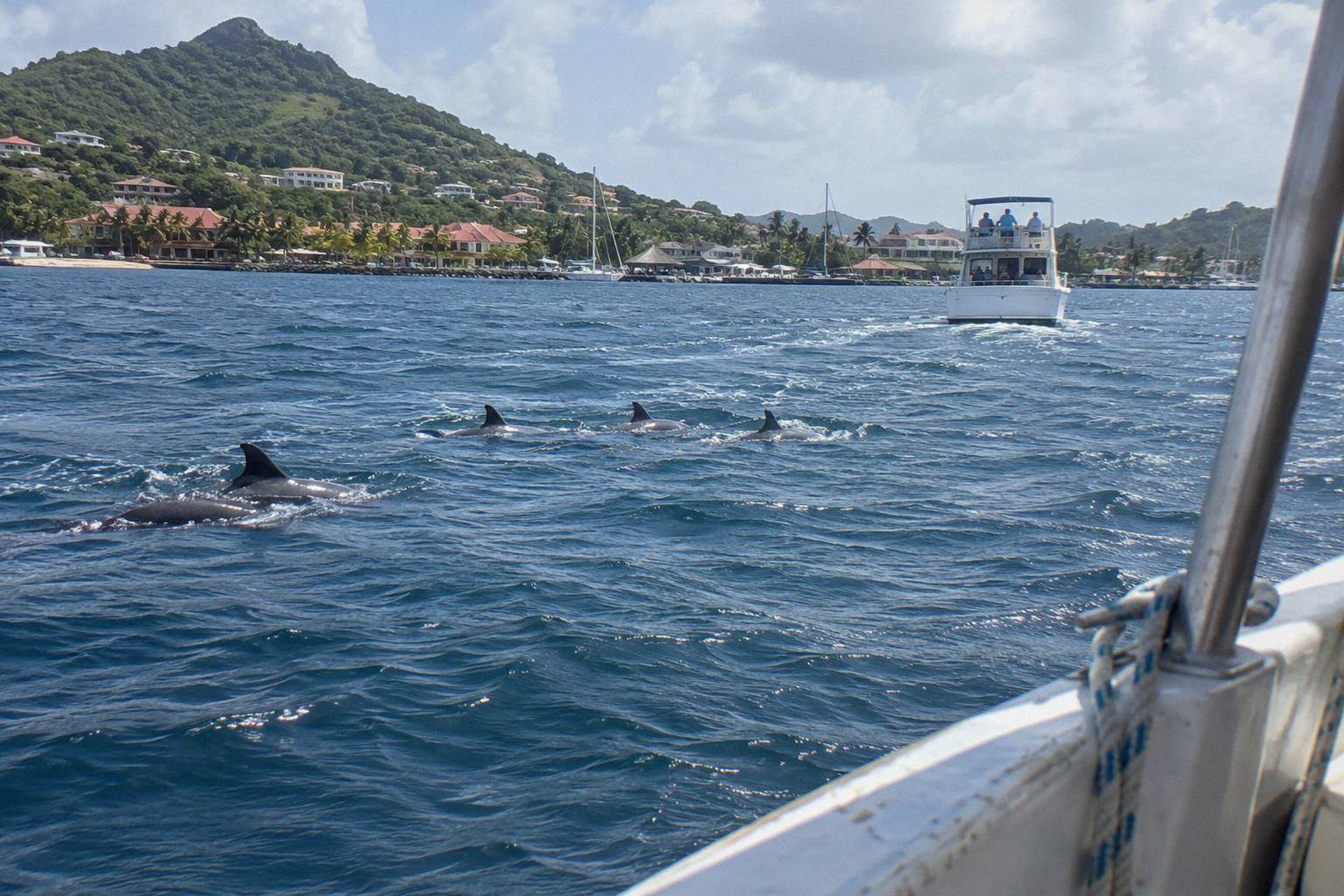
Most likely, using the tourism board's own language: spinner dolphins are frequently sighted year-round, pantropical spotted and bottlenose dolphins are common, and pilot whales can sometimes be seen all year in family pods. Occasional: sperm whales, resident in the region and occasionally sighted in deeper waters. Seasonal: humpbacks, February to April. Rare: orcas, and the less commonly recorded Fraser's, Risso's and striped dolphins.
The table below is the tourism board's species picture arranged by likelihood, and the likelihood column is deliberately worded as a chance, never a number.
| Species | Official wording on likelihood | When |
|---|---|---|
| Spinner dolphins | Frequently sighted | All year |
| Pantropical spotted dolphins | Common, especially along the west coast | All year |
| Bottlenose dolphins | Common | All year |
| Pilot whales | Resident pods, sometimes seen, close family groups | All year |
| Sperm whales | Resident in the region, occasionally sighted | All year, deeper water |
| Humpback whales | Pass through the region | About February to April |
| Fraser's, Risso's, striped dolphins | Recorded less often | All year |
| Orcas | Rare visitors | No season |
Two rows deserve comment. First, the pilot whale row: pilot whales are regularly identified from the boat, but they are the species most often confused with false killer whales by passengers, and the honest position is that a guide identifies what is in front of the boat using experience, not hope. Second, the orca row: rare visitors are on the record, which is delightful for the few who see them and irrelevant for planning. Plan around the top five rows and anything extra is a bonus.
The shared cruise's own listing names sperm whales, humpbacks in season, pilot whales, and spinner, spotted, Fraser's and common dolphins as the trip's species, alongside west coast views. That list matches the official picture, which is a good sign: nobody is promising something the tourism board does not support.
Do Season And Sea State Change The Odds?
Yes, in a specific way: the season changes which species are plausible, and sea state changes how easy they are to find and watch. February to April adds humpbacks to the possible list; December to May typically brings calmer seas; June to November means choppier conditions on average with the same year-round dolphins and pilot whales. None of that is a sighting rate, because no month-by-month sighting rates exist.
The month table below is a planning table, not a statistics table. It restates what the sources say and nothing more.
| Period | What the sources say |
|---|---|
| December to January | Year-round dolphins and pilot whales; some operators report humpbacks from December; calmer seas typically begin |
| February to April | The official humpback window; year-round species continue; seas typically calmer |
| May | Year-round species; humpbacks now unlikely; calmer-sea period typically ends |
| June to November | Year-round species continue; Atlantic hurricane season officially June 1 to November 30; sea state more variable |
Read that as a match between your priorities and the calendar, not a scoring system. A family whose whole goal is dolphins on a calm sea has a wide window and a strong argument for the calmer months. A visitor whose heart is set on a humpback has a narrow one, and the month-by-month season guide breaks it down further. Travelling in the rougher half of the year is not a lost cause, and the hurricane season and whale cruises guide covers what actually changes.
The private safari runs about 4 hours on a 50 ft catamaran for up to 40 guests of your own group, which matters here for one reason: on a choppier morning, a bigger stable platform and a start time you arrange with the operator can be worth real money.
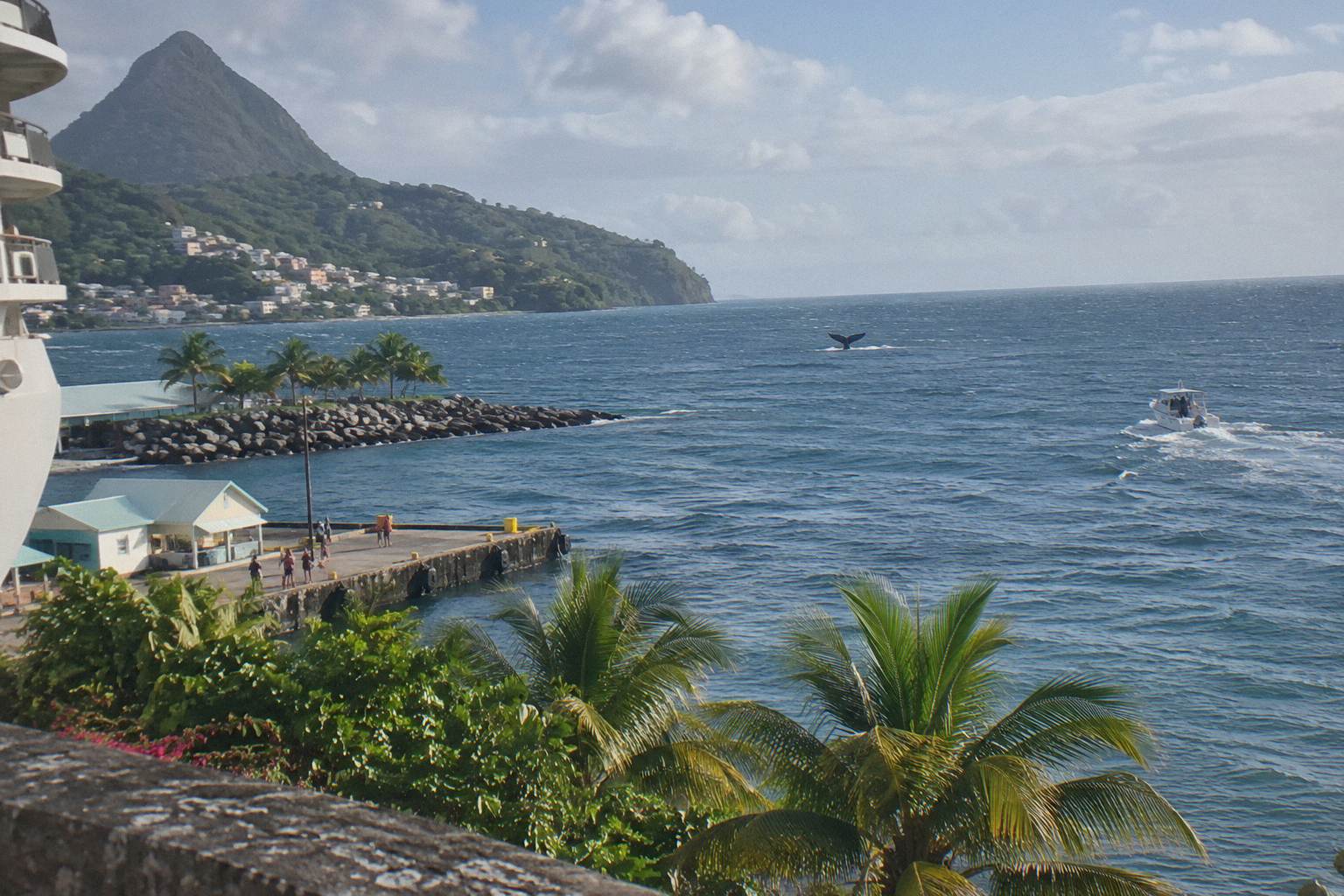
Does A Private Safari Improve Your Chances?
A private charter does not improve the animals' odds of appearing, but it can improve your trip's odds of suiting you: about 4 hours instead of about 3.5, a start time arranged with the operator, a boat shared only with your group of up to 40, and a guide focused on your interests. The sea and the whales behave the same either way, so buy it for the experience, not for a better sighting rate.
The numbers are worth stating plainly. The shared Whale And Dolphin Watching Cruise is from US$65 per person, about 3.5 hours on a custom 60 ft boat, morning departure, instant confirmation. The Private Premium Whale And Dolphin Safari is from US$2,550.65 per boat, about 4 hours on a 50 ft catamaran for up to 40 guests, with the operator confirming rather than instant confirmation. Those are different products, and they are never ranked against each other here. For illustration, not a quote: US$2,550.65 shared by 4 guests is about US$637.66 each; by 6 about US$425.11; by 8 about US$318.83; by 12 about US$212.55. The shared cruise at US$65 per person is US$130 for 2, US$260 for 4, US$390 for 6. Prices vary by date and group and the booking page confirms them.
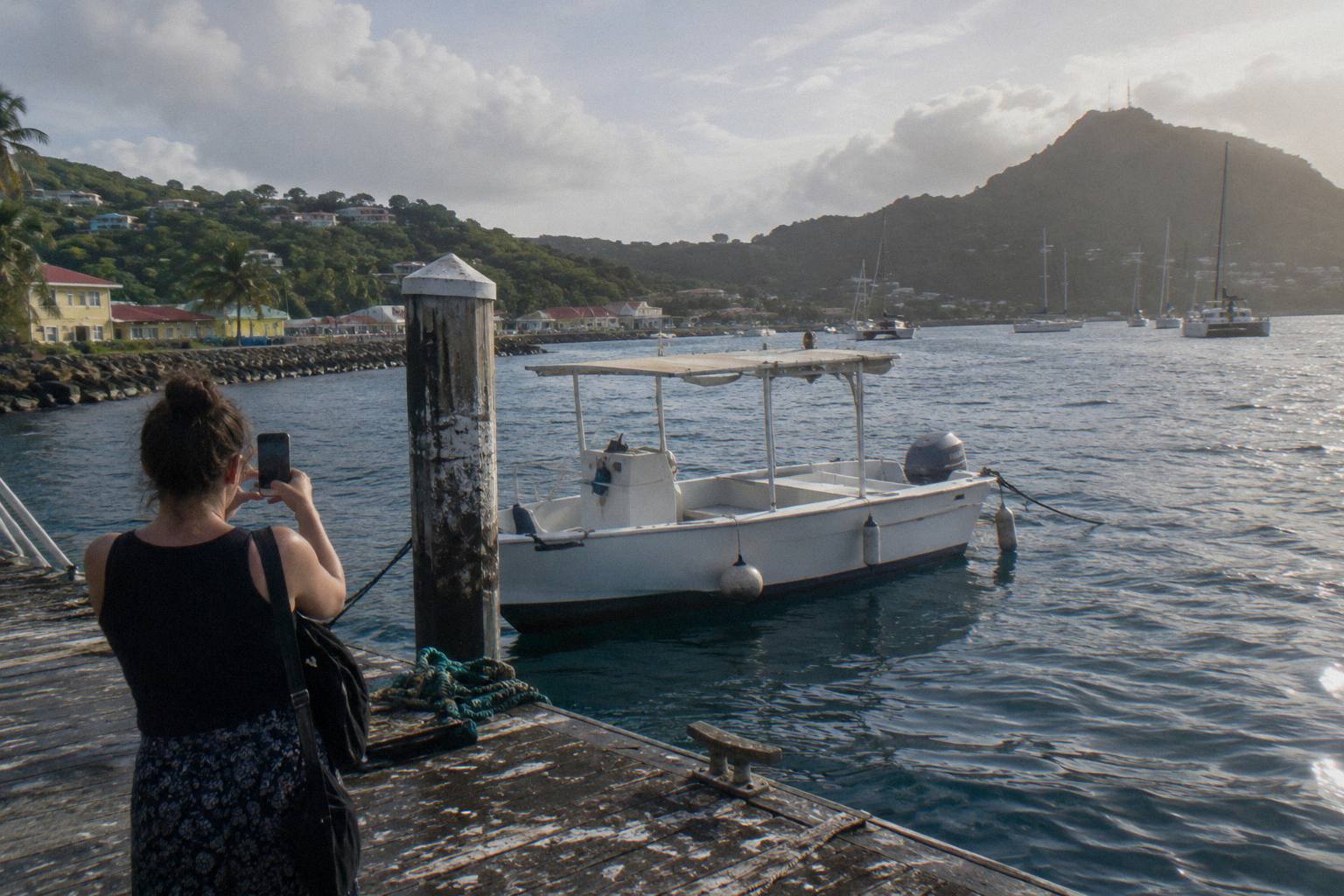
What the private safari genuinely adds is time and control. Half an hour more on the water is more scanning time. A start time arranged with the operator means the trip can be planned around your ship or your family's morning, and cruise ship pier pick-up and drop-off is included. Coffee, tea, soft drinks, water, light snacks, rum punch and local fruit are aboard, and the operator says it has run since 1953 and is World Cetacean Alliance certified, both stated as the operator's own claims. The deeper analysis of whether that is worth it for your group is in the shared cruise or private charter guide, and the costs side is unpacked in what a whale and dolphin cruise costs.
What it does not add is a hotline to the whales. Both trips leave the same marina, work the same coast, and depend on the same animals making their own decisions. Anyone selling you a better sighting rate because of the ticket price is selling something the sea has not agreed to. If the odds question is what is holding you back, the shared cruise with its 200 reviews of mornings on this water is the lower-commitment way to answer it, and you can check availability alongside the shared cruise tour page.
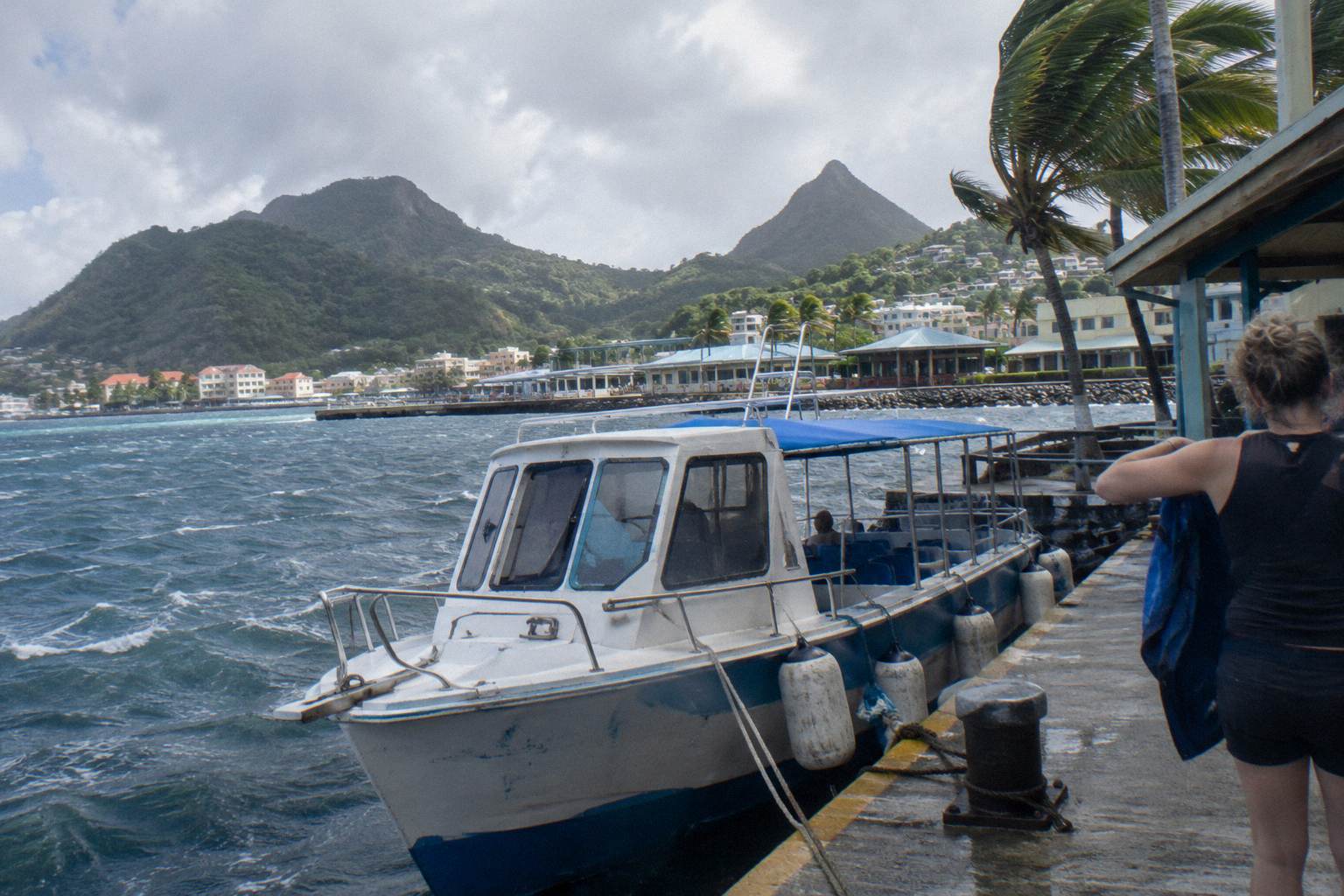
What Happens If You See Less Than You Hoped?
Neither published trip offers a rebook-if-no-sighting policy, and no such policy should be inferred. What protects you is the weather-and-booking side: free cancellation up to 24 hours before departure on both trips, and if the captain cancels the shared cruise for unsafe weather the operator says there is an alternative date or a refund. The private safari is cancelled free for bad weather. The sighting itself is a chance, and the honest operators say so.
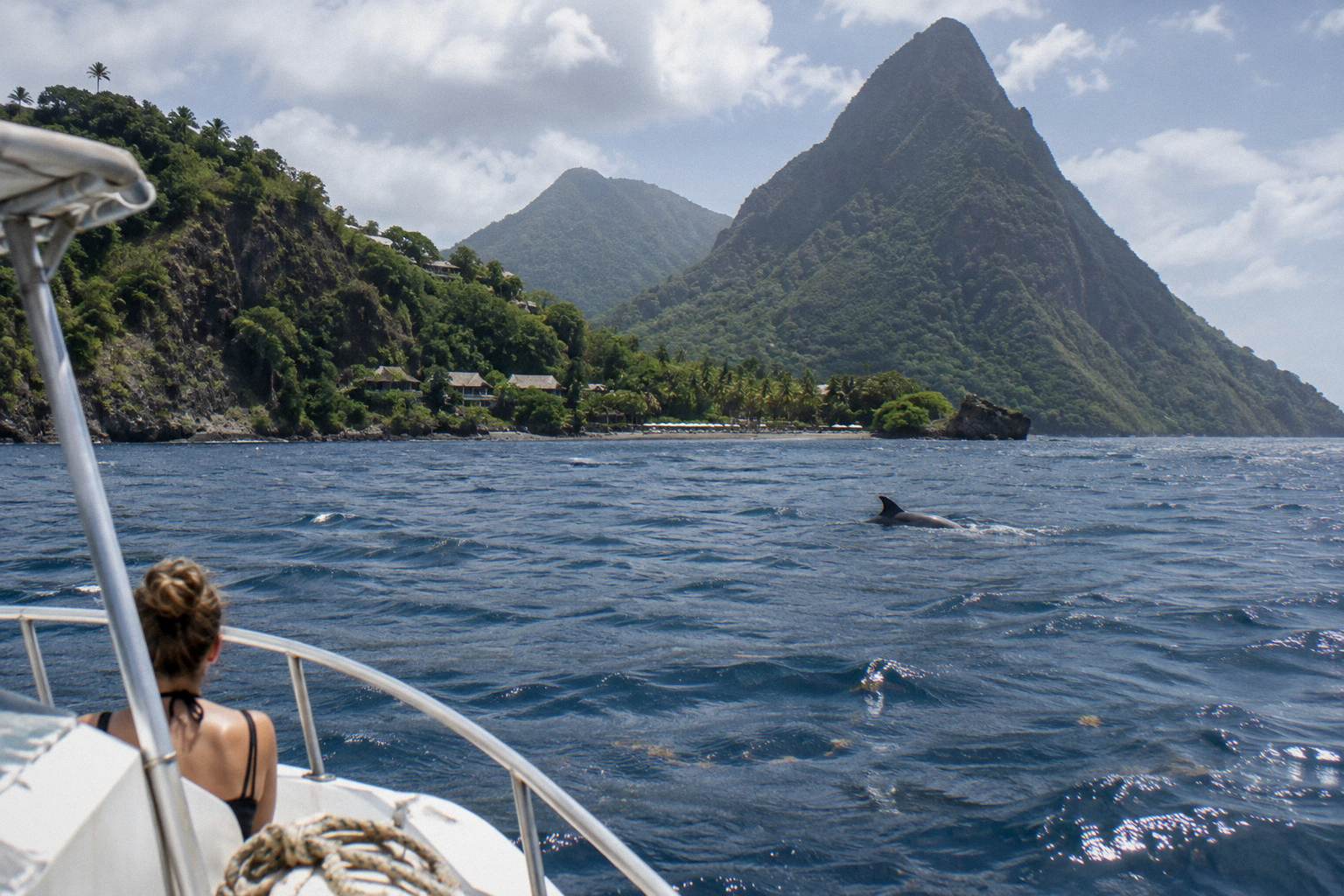
This is the part of the page where expectation-setting earns its keep. A morning that finds spinner dolphins bow-riding and a pilot whale pod is a normal outcome on this coast, and it is what the year-round facts support. A morning that finds only distant dolphins and a lot of beautiful water is also a normal outcome. A morning with a humpback in March is a genuinely good one. The tourism board's own framing is that sightings depend on weather, season and the animals' natural movement patterns, and that is the only framing that survives contact with reality.
The financial exposure is bounded before you ever board. Cancel more than 24 hours out and you pay nothing, on either trip. Inside 24 hours, you have chosen your day and the sea decides the rest. If the captain calls the shared cruise off for unsafe weather, the operator's stated policy is an alternative date or a refund. That is the operator's own statement, and it is the right question to ask when booking any trip. For the wider ethics and practice picture, the responsible whale watching guide explains the regulated viewing approach: slow approach, no chasing, no touching or feeding, space for the animals to move on, with licensed operators limiting time near them.
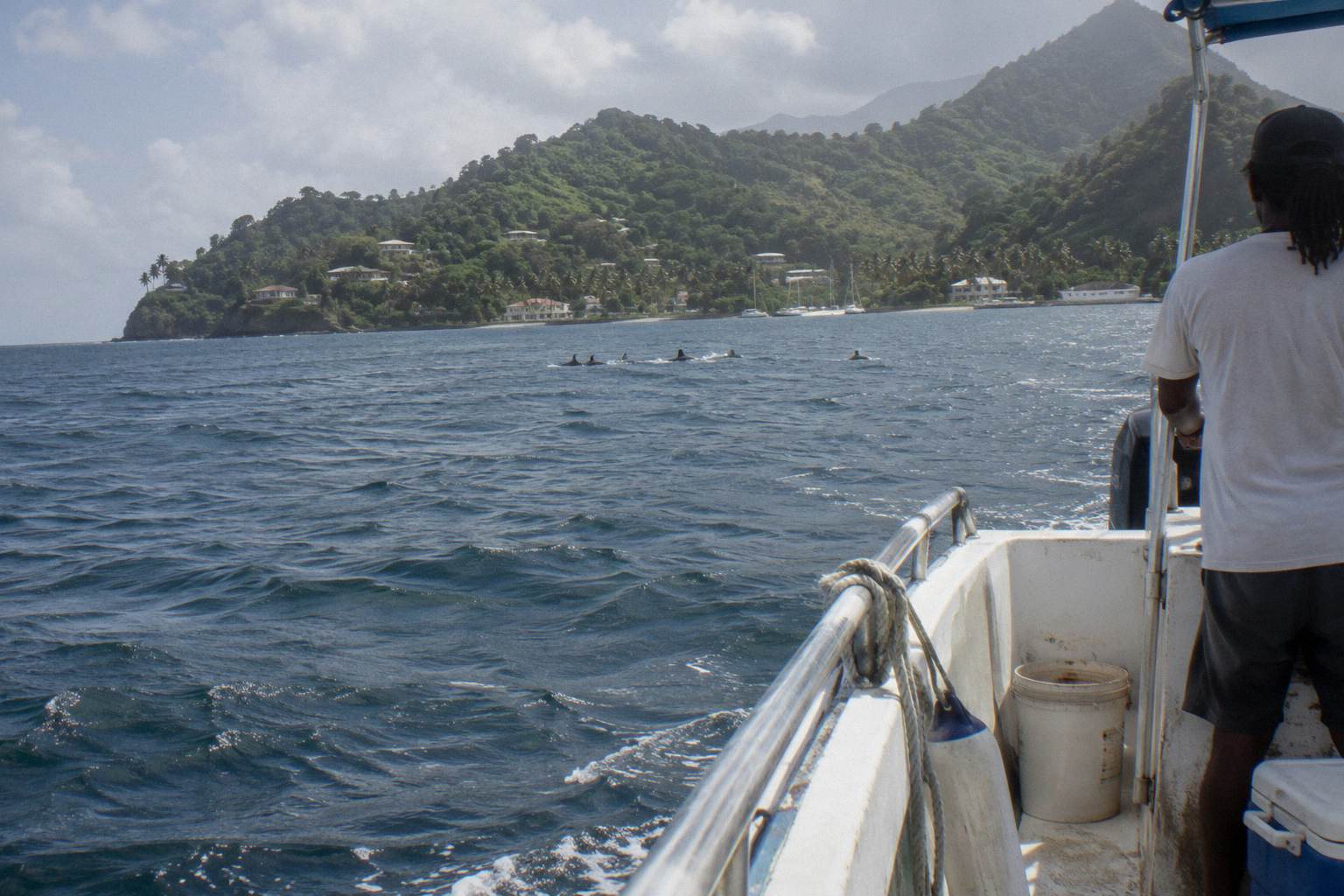
Attitude does the rest. Treat the whale as the headline and the dolphins, the coastline and the morning on the water as the body of the story, and the odds start working in your favour, because the year-round species are the likeliest characters in it either way.
The shared cruise runs from US$65 per person, about 3.5 hours, morning departure from Vigie Marina, water, soft drinks and rum punch included, gratuities and hotel pick-up not included, and children travel with an adult, with the operator happy to be asked at booking.
How Do Cancellation Terms Protect Your Booking?
Both published trips carry free cancellation up to 24 hours before departure on the booking path, which means a doubtful forecast or a changed plan costs you nothing if you decide early. The shared cruise adds instant confirmation and the operator's stated alternative date or refund if the captain cancels for unsafe weather; the private safari is cancelled free for bad weather and is confirmed by the operator rather than instantly.
That 24 hour line is the practical hinge of the whole odds question. You cannot control the animals, and you can only partly control the weather, but you can absolutely control whether a rough forecast traps your money. Watch the forecast, decide before the window closes, and the worst case is a cancelled plan rather than a lost payment.
| Term | Shared Whale And Dolphin Watching Cruise | Private Premium Whale And Dolphin Safari |
|---|---|---|
| Price basis | From US$65 per person | From US$2,550.65 per boat, private to your group |
| Length | About 3.5 hours | About 4 hours |
| Departure | Morning, Vigie Marina, Castries | Start time arranged with the operator, Vigie Marina, Castries |
| Confirmation | Instant | The operator confirms |
| Free cancellation | Up to 24 hours before departure | Up to 24 hours before, and free for bad weather |
| If weather turns | Operator says alternative date or refund | Cancelled free for bad weather |
| Included | Marine expert, water, soft drinks, rum punch | Guide, drinks, snacks, fruit, cruise pier pick-up and drop-off |
| Not included | Gratuities, hotel pick-up | Gratuities, hotel pick-up and drop-off |
One caution on expectations: the group size on the shared cruise is not published, so if a crowded deck matters to you, ask before booking. And cruise passengers should check the ship's all-aboard time and ask the operator about timing; about 3.5 or about 4 hours on the water is before any travel to the marina. The Castries cruise port guide works through that timing question in full.
Common Mistakes About Sighting Odds
The common mistakes are all variations of one error: treating a chance as a promise. Booking outside the humpback window and expecting a humpback, trusting an operator's percentage over the tourism board's wording, assuming a higher ticket price buys better odds, skipping the trip in June because of the hurricane season's name, and never checking the 24 hour cancellation line before the forecast turns. Each one is avoidable, and none requires luck.
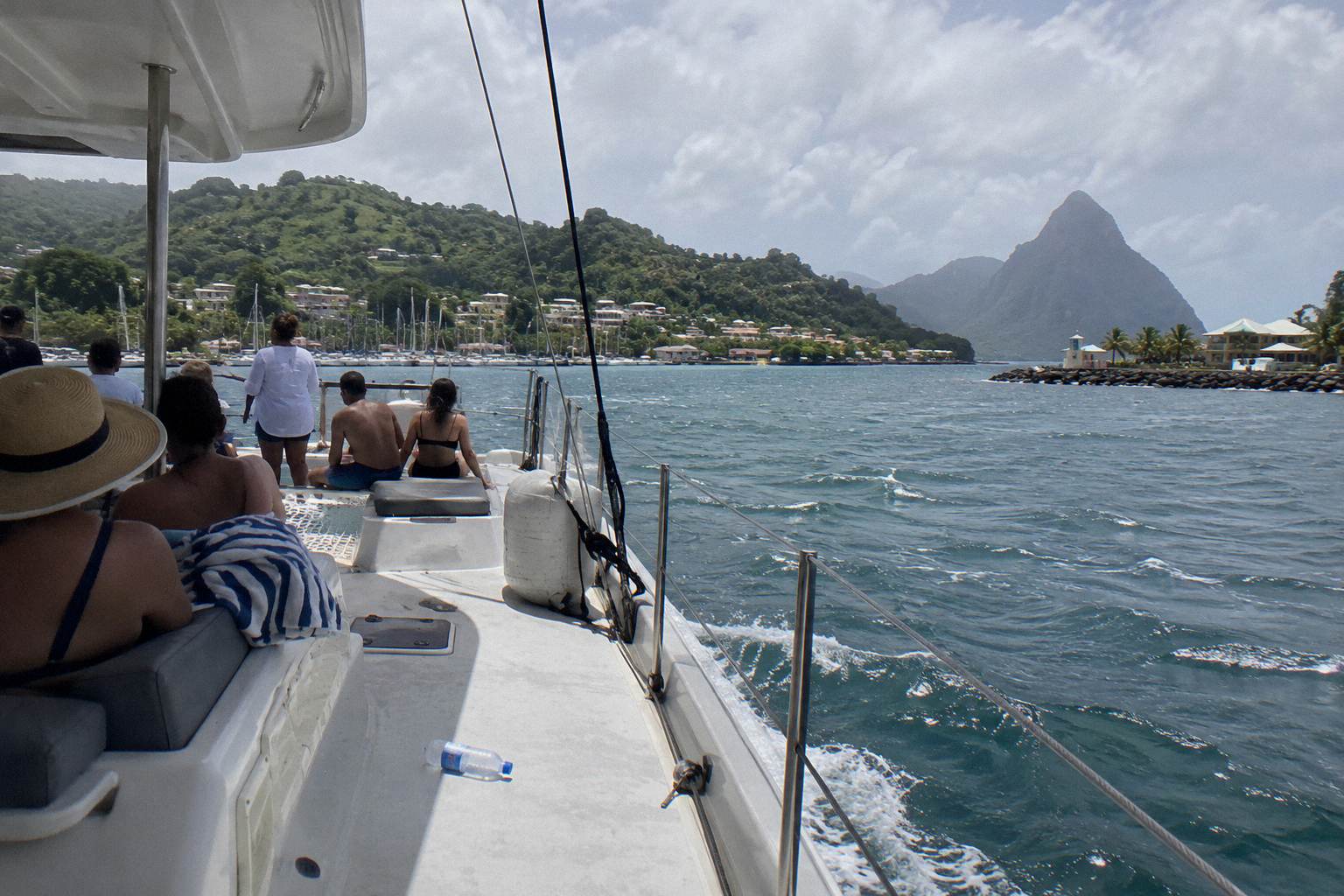
The first mistake is ignoring the calendar. Someone who books in July with a humpback as the goal has been let down by a brochure, not by the sea. The official window is about February to April, and May to November means humpbacks are unlikely, full stop. The second is trusting a percentage. Operators publish their own sighting figures, and those figures disagree with each other, which is exactly why this page prints none of them. The third is paying for odds. A private safari is a genuinely better experience for many groups, but the whales have not read the invoice.
The fourth mistake is writing off the June to November half of the year entirely. The year-round species are still there, trips still run, and the practical downside is sea state, not emptiness. The fifth is not using the cancellation terms: the 24 hour free-cancellation window on both trips is the tool that turns a risky forecast into a free decision, and readers who know it exists use it.
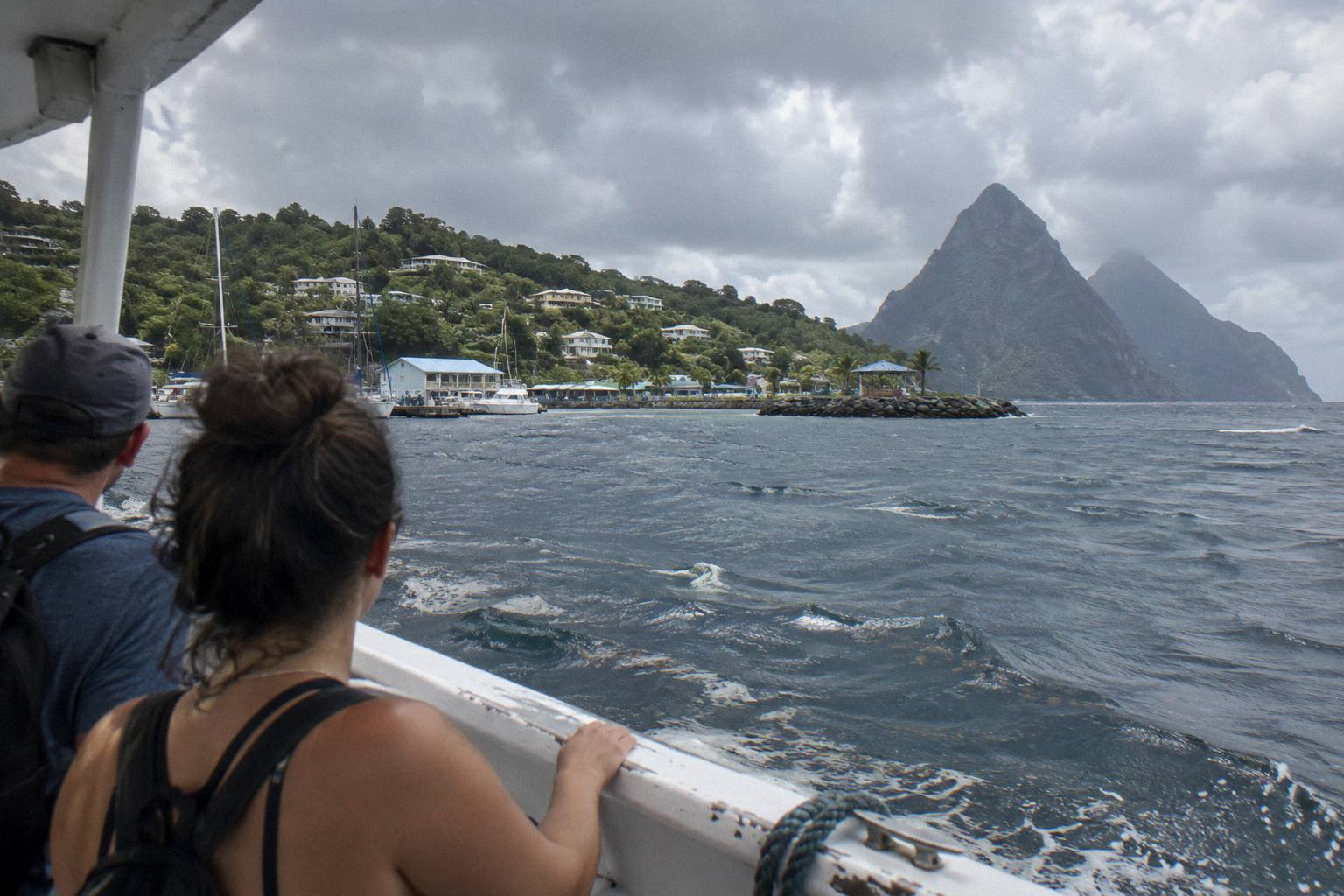
The last mistake is subtler: treating the odds as the whole decision. The tourism board's year-round wording means a morning off Saint Lucia starts with the likeliest animals already in its favour, and St Lucia Whale Watching as a site exists because that base layer is real. The honest read of every source on this page is the same sentence: dolphins and pilot whales are a genuine chance any week of the year, sperm whales are an occasional deep-water possibility, humpbacks are a February to April bonus, and the sea keeps its own accounts. Book inside those lines and the odds are already on your side.
Common Questions About Sighting Odds Off Saint Lucia
What Is The Chance Of Seeing Whales In Saint Lucia?
Dolphins and pilot whales can be seen all year, with spinner dolphins frequently sighted, so those are your strongest possibilities on any trip. Sperm whales are considered resident and occasionally sighted in deeper waters. Humpbacks pass through about February to April. No honest percentage exists, because operators' own figures disagree, so every sighting is a chance and never a promise.
What Month Is Best For Whale Watching In Saint Lucia?
February to April adds the humpback window to the year-round dolphins and pilot whales, and seas are typically calmer from December to May, which makes that stretch the strongest combination of species and sea state. But whale and dolphin watching runs year-round, and the resident species do not take the summer off.
Can You See Whales In Saint Lucia In November?
Yes, dolphins and pilot whales are around in November, but humpbacks should be treated as unlikely from May to November, and November sits inside the official Atlantic hurricane season of June 1 to November 30, so sea state is more variable. Some operators report humpbacks from December, which is the operator's claim rather than the official window.
Are Sperm Whales Seen Off Saint Lucia?
Sperm whales are considered resident in the region and occasionally sighted in deeper waters, which is the official tourism board wording. They belong to the wider Eastern Caribbean population studied by the Dominica Sperm Whale Project. No Saint Lucia head count or population estimate is published, and no sighting of them is ever guaranteed.
Does A Private Charter Give You A Better Chance Of Seeing Whales?
It gives you more time, about 4 hours versus about 3.5, a start time arranged with the operator, and a boat to your own group of up to 40, but the animals behave the same either way. Both trips depart Vigie Marina and work the same coast. Buy the private safari for the experience it is, not for a better sighting rate nobody can promise.
What Happens If You Do Not See A Whale?
Neither published trip has a rebook-if-no-sighting policy, and none should be inferred. What protects you is the booking side: free cancellation up to 24 hours before departure on both trips, an alternative date or refund if the captain cancels the shared cruise for unsafe weather per the operator, and free cancellation of the private safari for bad weather.