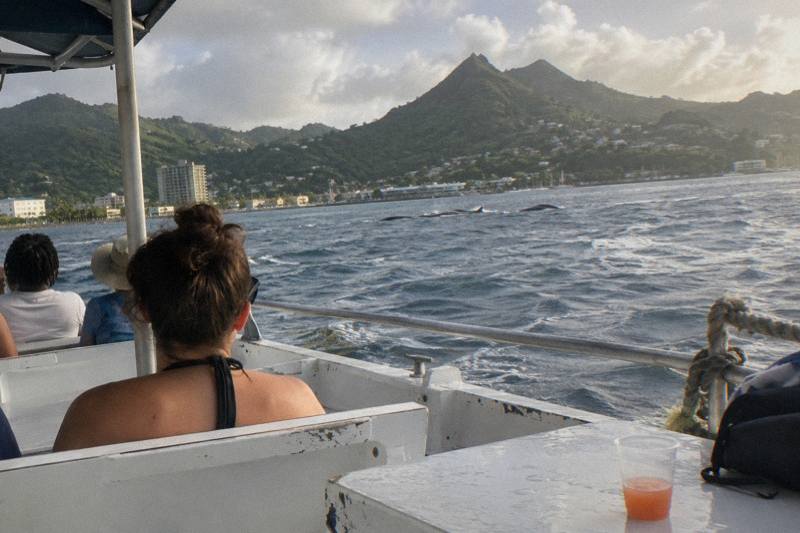
Is A Whale And Dolphin Cruise Worth Booking In Hurricane Season?
Whether a Saint Lucia whale and dolphin cruise is worth booking from June to November: what you can still see, cancellation terms, and which trip suits rougher-season travel.
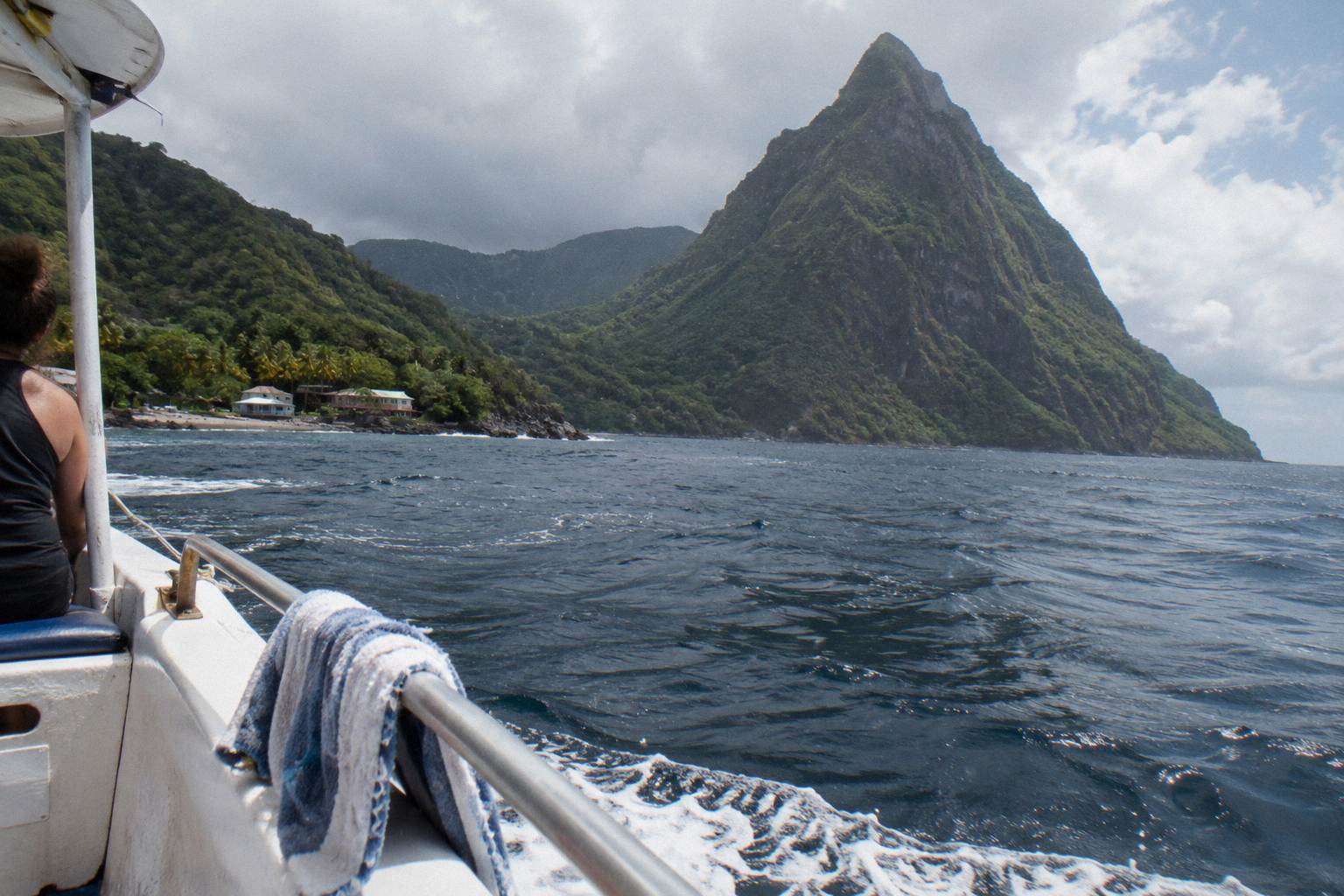
Yes, for most summer travellers it is worth booking, with the right expectations. Dolphins and pilot whales can be seen off Saint Lucia all year, sperm whales live in the deeper offshore water, and both local trips run year-round. Humpback whales are unlikely from May to November, so book for resident species, not the migration, and know the cancellation terms.
A summer trip to Saint Lucia often means lower room rates, quieter anchorages and a genuine question about the sea. The Atlantic hurricane season officially runs June 1 to November 30, and the Saint Lucia Meteorological Service publishes that window each year as the official boundary. That season shapes weather across the Eastern Caribbean, but it does not switch off the wildlife. The official tourism board is clear that whale and dolphin watching runs year-round in Saint Lucia, with the February to April window adding the chance of humpbacks rather than the rest of the year offering nothing.
So the honest framing for a June to November booking is this: you are going for spinner, pantropical spotted and bottlenose dolphins, for resident pilot whale pods, and for the possibility of sperm whales in the deeper water. Those species do not read the calendar. What the calendar controls is sea state and the small risk that a tropical wave or storm forces a cancellation, which is why the cancellation terms matter as much as the itinerary when you book in these months.
There are two trips to choose between, and both are covered in detail on this site. The shared whale and dolphin watching cruise from Captain Mike's runs about 3.5 hours on a custom 60 ft boat from Vigie Marina in Castries, from US$65 per person, with 4.5 from 200 reviews. The private whale and dolphin safari from Hackshaw's Boat Charters is a 50 ft catamaran chartered for your group alone, up to 40 guests, about 4 hours, from US$2,550.65 per boat, with 4.5 from 75 reviews. Neither is ranked above the other here; they answer different needs, and hurricane season changes those needs a little.
Both can be checked live before you commit:
The rest of this article works through the questions a summer traveller actually asks: what is in the water from June to November, when the season formally ends, what happens to your money if weather cancels, which of the two trips suits the season better, and the mistakes people make booking in these months.
What Can You See From June To November?
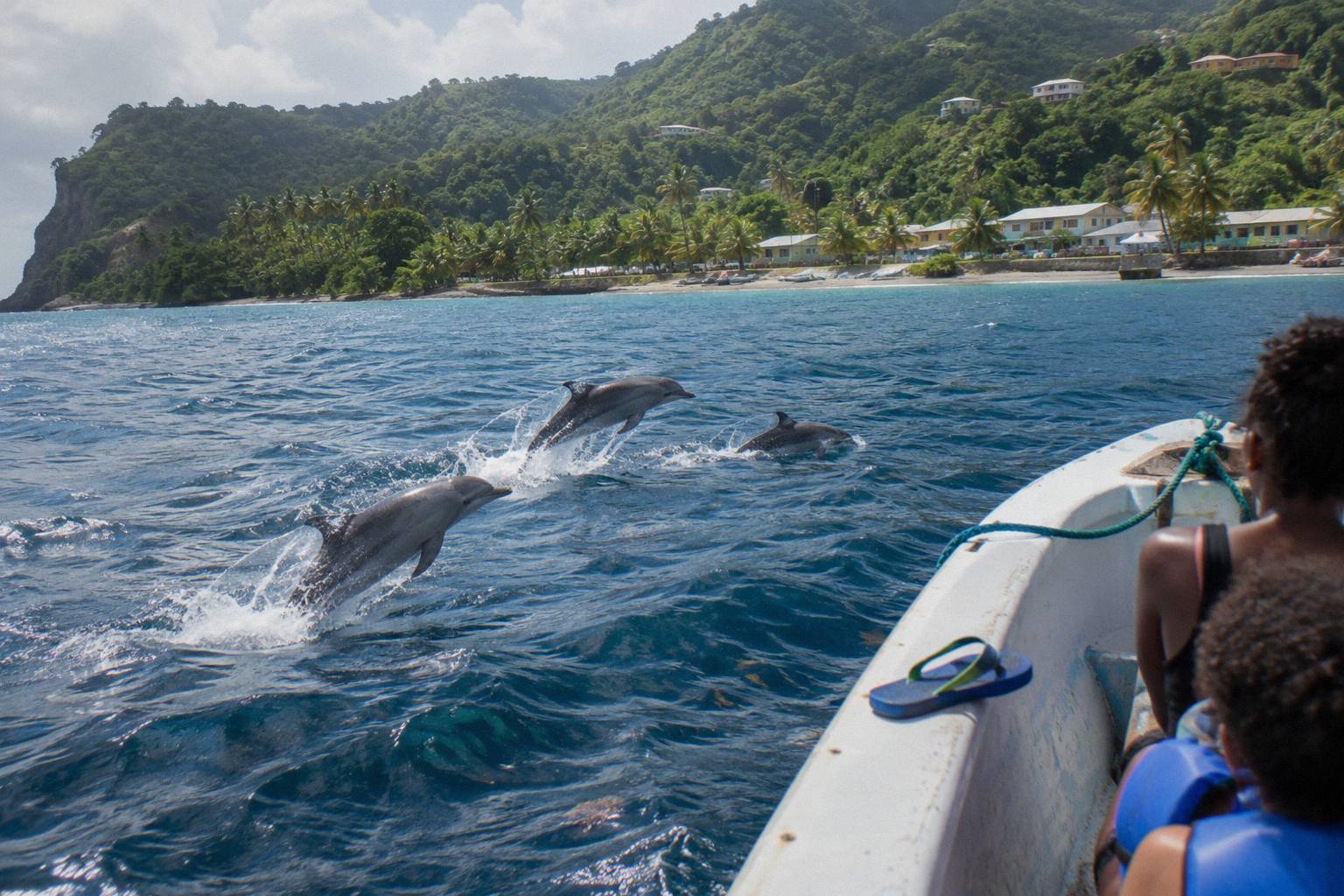
Dolphins and pilot whales, reliably as chances rather than promises. Spinner dolphins are frequently sighted year-round, pantropical spotted and bottlenose dolphins are common, and resident pilot whale pods can sometimes be seen through the year in close family groups. Sperm whales are considered resident in the region and occasionally sighted in deeper waters. Humpbacks are unlikely until the February to April window.
That species mix is the tourism board's own wording, and it is worth reading carefully, because it sets fair expectations for a summer booking. The dolphins are the backbone of any trip off the west coast: spinner dolphins in particular are described as frequently sighted year-round, and pantropical spotted dolphins are noted as common in the warm offshore water along that coast. Fraser's, Risso's and striped dolphins are recorded less often, which makes them a bonus rather than a plan.
Pilot whales behave differently. The official pages describe resident pods that can sometimes be seen throughout the year, moving in close-knit family groups, so a summer encounter tends to be a cluster of animals rather than a lone individual. Sperm whales sit deeper on the continental shelf drop-off; the tourism board calls them "considered resident in the region and occasionally sighted in deeper waters", and the population here belongs to the wider Eastern Caribbean stock that the Dominica Sperm Whale Project studies. No Saint Lucia head count exists, and none is printed here. Orcas are rare visitors only, a fact worth knowing so a distant dorsal fin does not get over-interpreted.
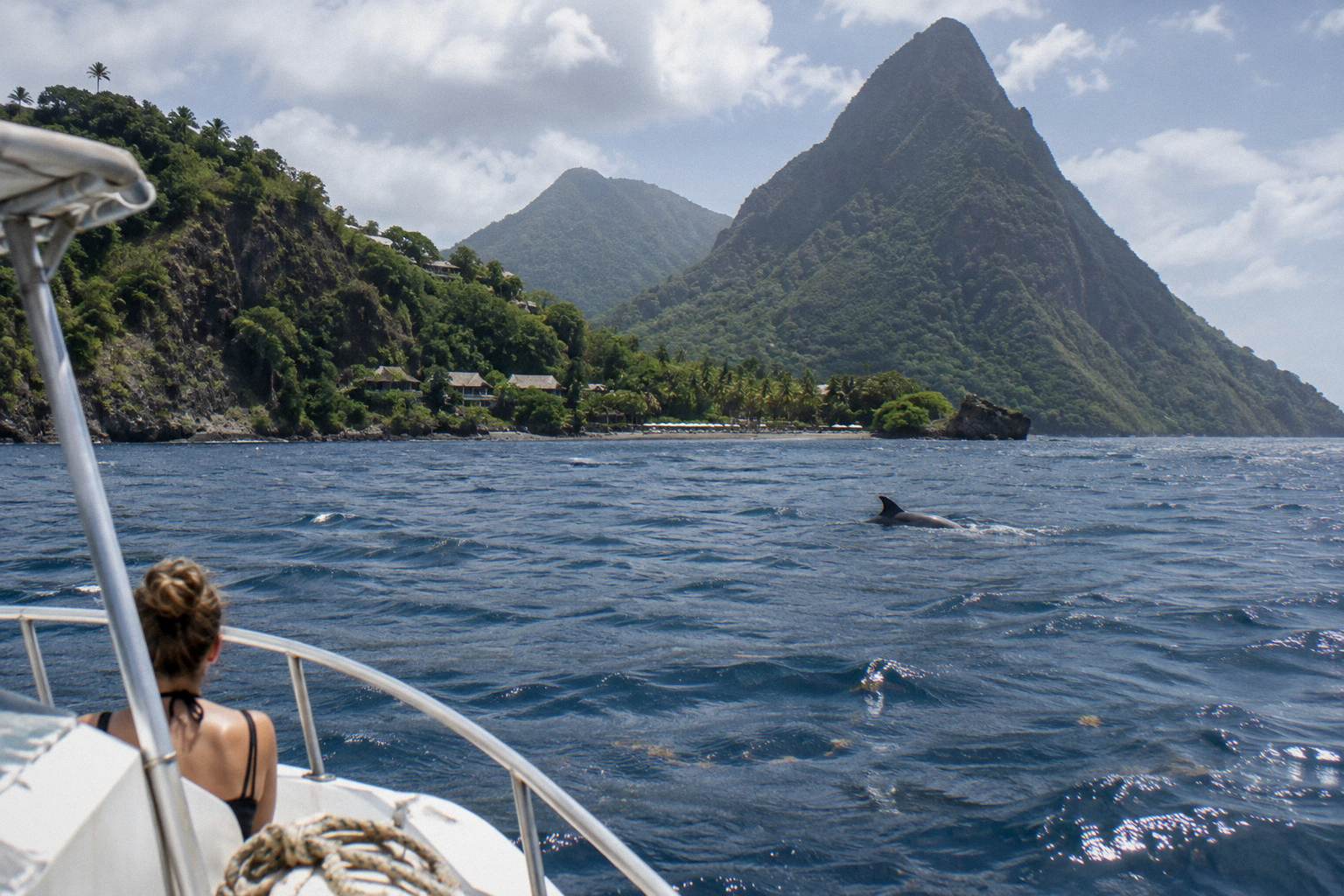
What you should not expect in these months is a humpback whale. The official migration window is about February to April, some operators report them from December, and from May to November the honest position is that humpbacks are unlikely. If a listing implies a summer humpback, treat that as the operator's optimism, not the tourism board's science. For more on the calendar, the best time to see whales month by month guide carries the full planning table.
Deep water lies close to the west coast, so animals can be seen not far off shore, and boats follow the Caribbean coast rather than heading for open ocean. Sightings still depend on weather, season and the animals' movements; every sighting is a chance and never a promise, and no sighting percentage is printed here because operator claims conflict.
| Period | What the sources say | Planning read |
|---|---|---|
| February to April | Official humpback migration window | Peak season for species variety |
| December to May | Seas typically calmer | Smoothest conditions, humpbacks possible late |
| June to November | Dolphins and pilot whales year-round, humpbacks unlikely | Hurricane season; resident species are the draw |
When Does Hurricane Season End?
The Atlantic hurricane season officially runs June 1 to November 30, and it ends on that closing date. Seas around Saint Lucia are typically calmer from December to May, so the calmer-water season begins as the hurricane season closes and overlaps the December start some operators report for early humpbacks.
The June 1 to November 30 window is the official definition published by the Saint Lucia Meteorological Service, and it is a calendar boundary rather than a weather forecast. A season can end quietly or a late storm can form inside the window; equally, a named storm elsewhere in the basin says nothing about a given morning off Castries. The practical point for a traveller is that the official dates tell you when the risk is formally counted, and the sea conditions tell you whether a boat sails.
The tourism board's guidance on conditions is the phrase already quoted: seas are typically calmer from December to May. That is a climate average, not a day-by-day promise, but it is the best planning signal available, and it lines up neatly with the humpback window of about February to April plus the December reports from some operators. If your dates are flexible and your heart is set on the fullest species list, waiting for the calmer-water months is the defensible choice.
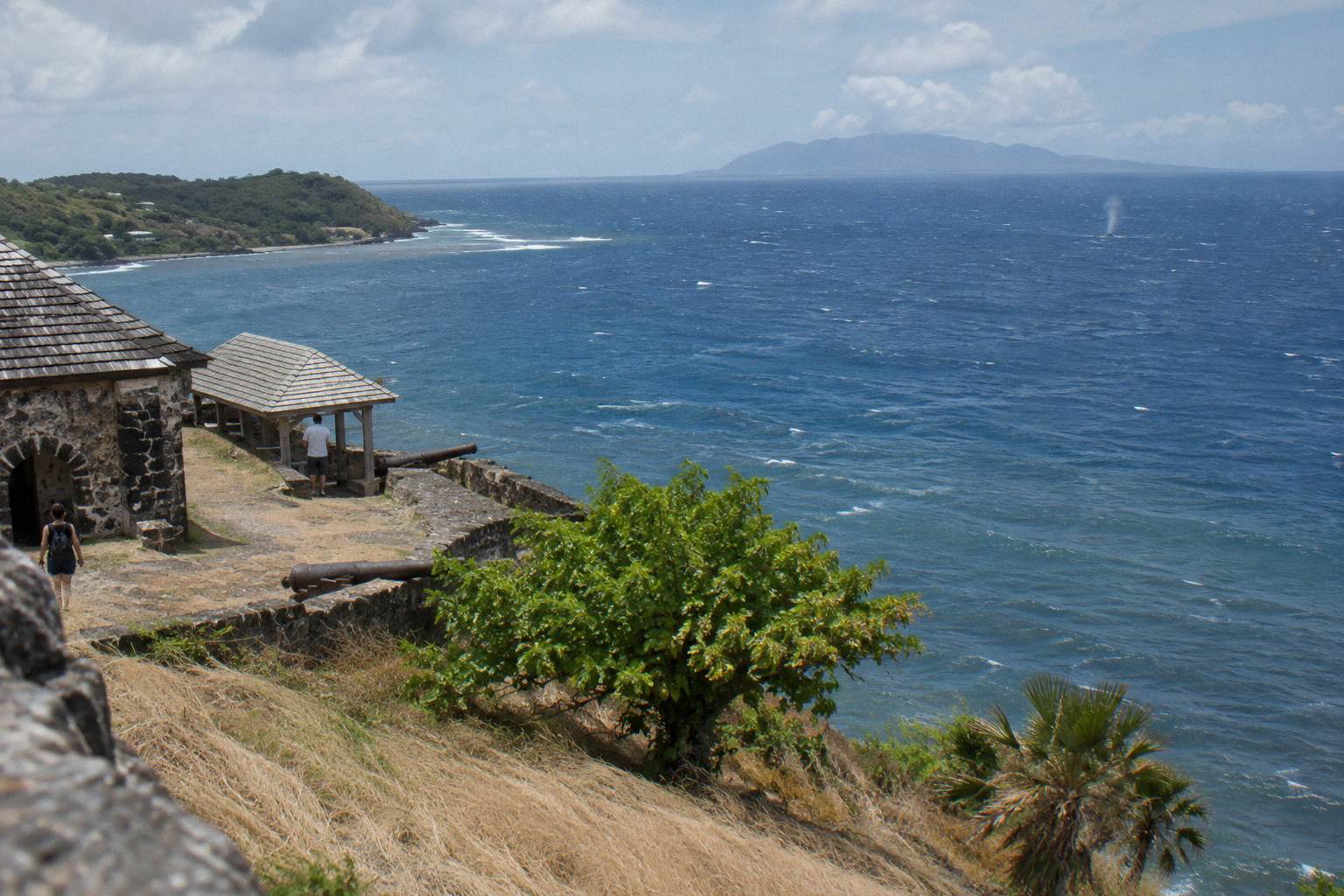
If your dates are not flexible, none of this makes a summer trip a bad idea. Trips still leave in the morning from the north-west around Castries and last about three to four hours, following the Caribbean coast. The two trips covered here both depart Vigie Marina in Castries, beside the island's George F. L. Charles airport, which keeps the transit from hotel or cruise terminal short and makes a weather-delayed departure easier to rearrange around.
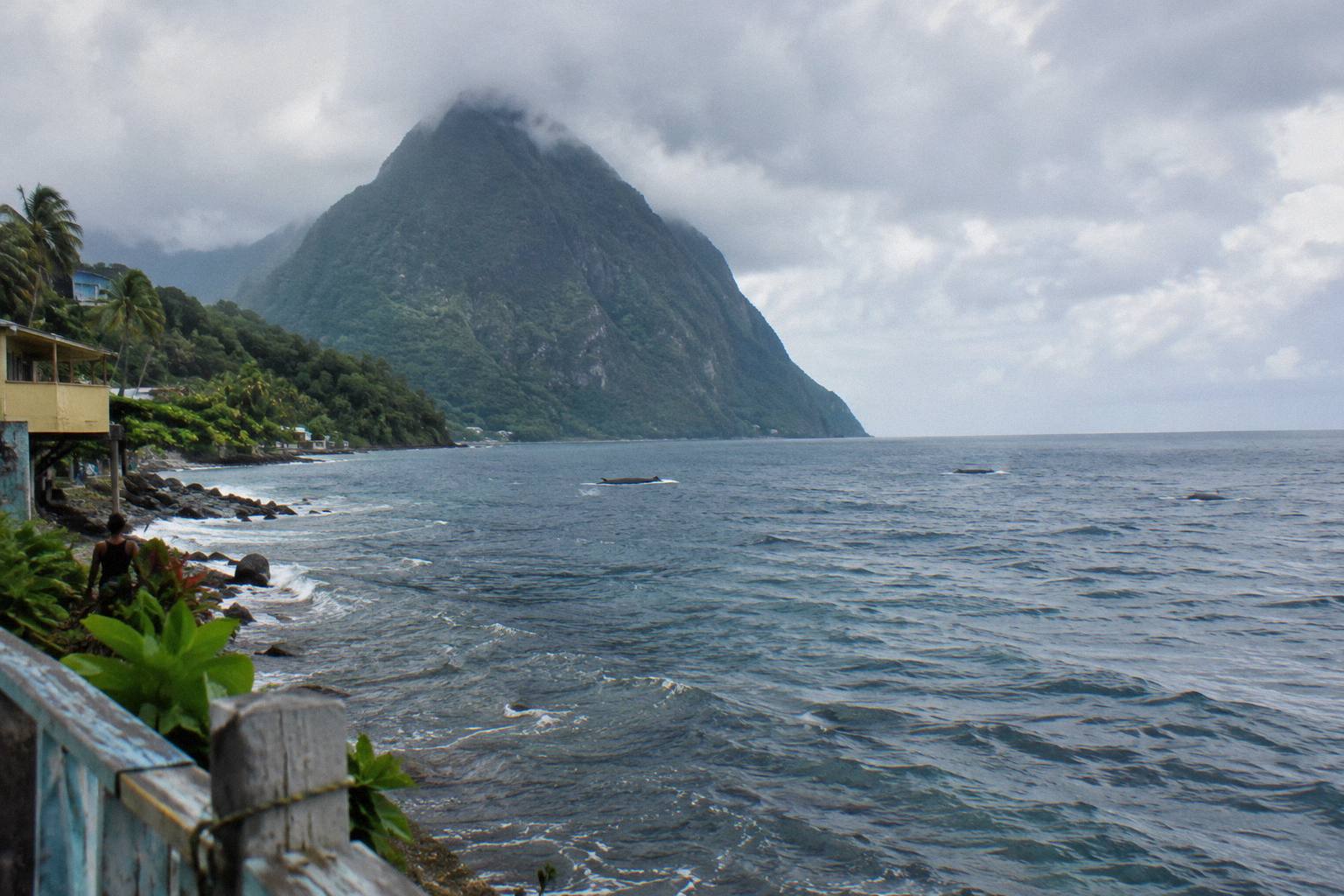
One thing this site will not do is blame the season for the wildlife. Hurricane season is never a reason sightings fail; sightings depend on weather, season and the animals' movements, full stop. A flat-calm July morning can produce spinner dolphins by the dozen and a rough March morning can produce nothing, and both facts belong in your planning rather than a simple summer-versus-winter verdict. For the rough-water question specifically, the piece on whether you will get seasick on a Saint Lucia whale cruise covers boat size and what to ask.
What Happens If Weather Cancels?
This is the part of a hurricane-season booking that deserves the closest reading, because the money question is really a cancellation question. On the shared cruise, free cancellation up to 24 hours before departure is the standard term, and the operator adds its own statement that if the captain cancels for unsafe weather there is an alternative date or a refund. That operator statement matters: it means the weather call is the captain's, not yours, and a weather cancellation by the operator does not leave you chasing a refund alone.
The private safari carries free cancellation up to 24 hours before departure and is cancelled free for bad weather, which for a charter priced per boat is the term to check first. It is a Hackshaw's Boat Charters trip; the operator says it has run since 1953 and is World Cetacean Alliance certified. Confirmation is not instant, because the operator confirms the booking, so a summer traveller should book early enough in their stay to absorb a day or two of back-and-forth if the forecast is unsettled.
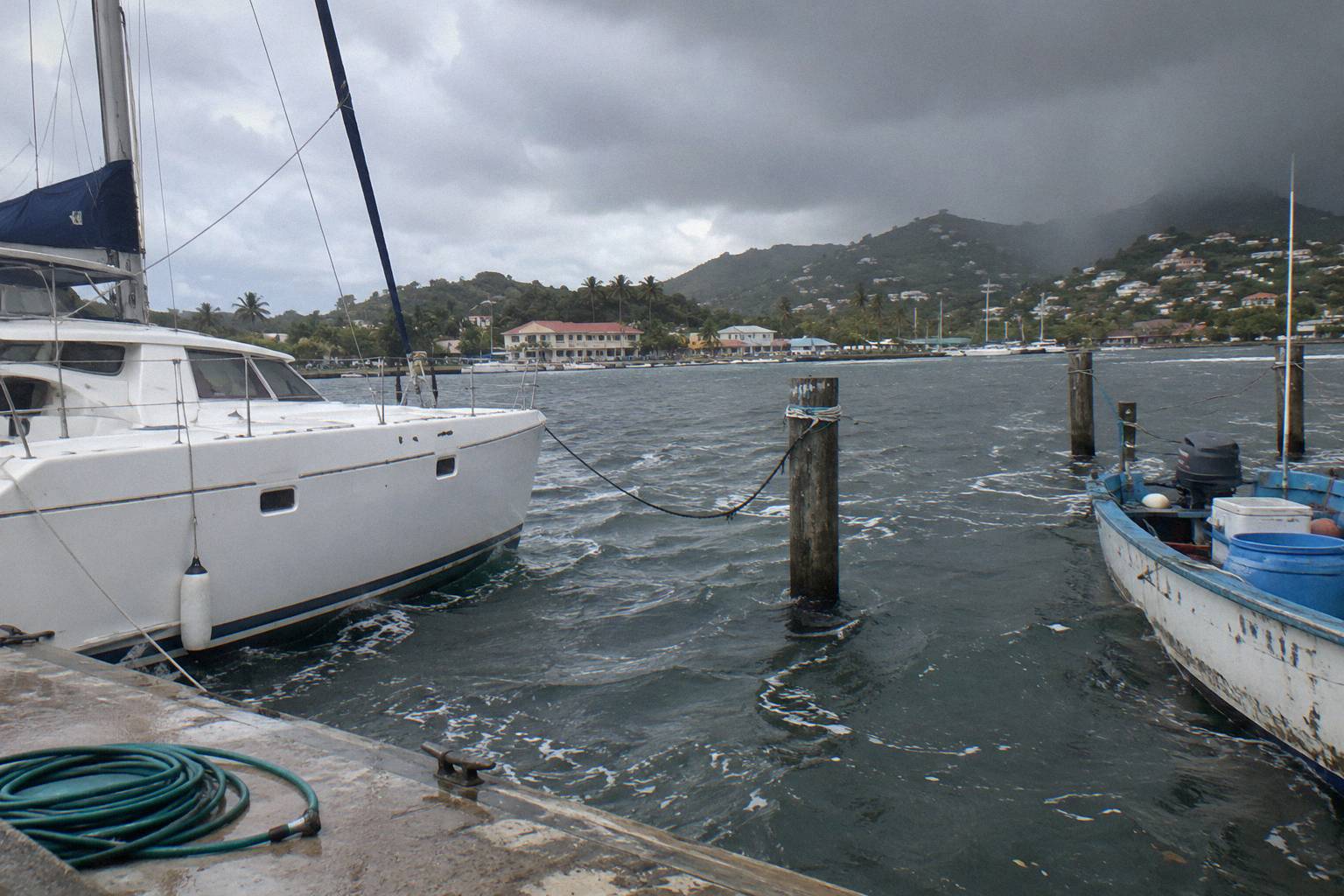
Two boundaries are worth stating plainly. First, no rebook-if-no-sighting policy exists on either trip: if the boat sails and the sea is quiet, that is the day you had, and neither operator promises otherwise. Second, the 24-hour free cancellation window is about your decision and the operator's weather decision, not a forecast guarantee; inside 24 hours the standard term has passed its free window, which is exactly why watching the forecast a few days out is worth the effort in these months.
The shared cruise is the natural first check for a solo summer traveller, and the private charter suits a group that wants control of the plan:
The Hurricane season and whale cruises guide goes deeper on forecasting habits and booking timing for these months.
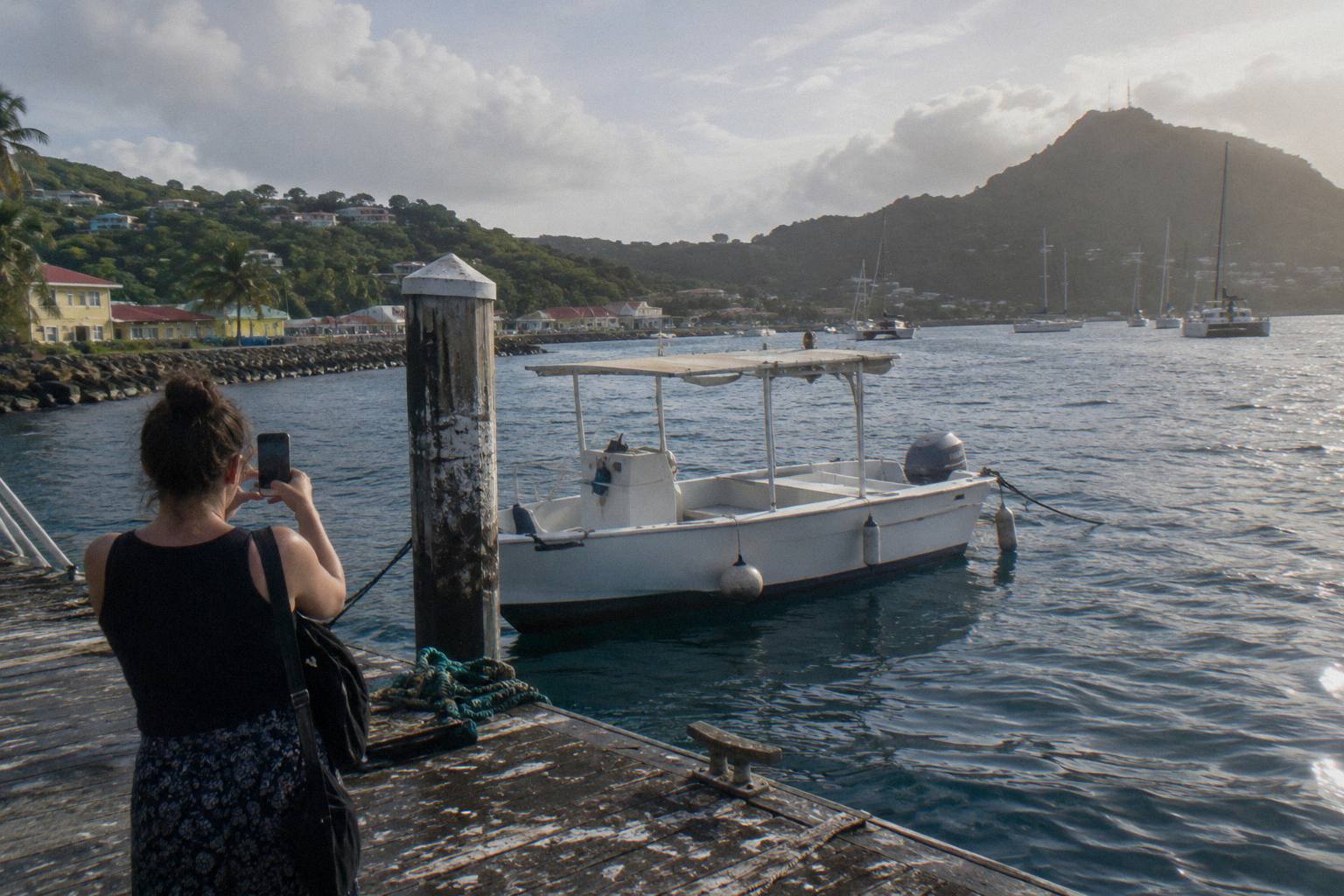
Which Trip Handles Weather Better?
Neither trip is weatherproof, but their cancellation and logistics differ. The shared cruise offers instant confirmation and an operator-stated weather alternative date or refund; the private safari is cancelled free for bad weather, includes cruise ship pier pick-up and drop-off, and lets a group of up to 40 arrange timing with the operator, at the cost of non-instant confirmation.
Start with the shared cruise, the featured trip on this site. It runs about 3.5 hours with a morning departure, on a custom 60 ft boat, from Vigie Marina in Castries Harbour. A local marine expert is aboard, and bottled water, soft drinks and rum punch are included; gratuities and hotel pick-up are not. Confirmation is instant, which in an unsettled forecast week is a small but real advantage: you can book and adjust inside the 24-hour free window without waiting on an operator reply. It rates 4.5 from 200 reviews, priced from US$65 per person. The wider set of guides lives on St Lucia Whale Watching.
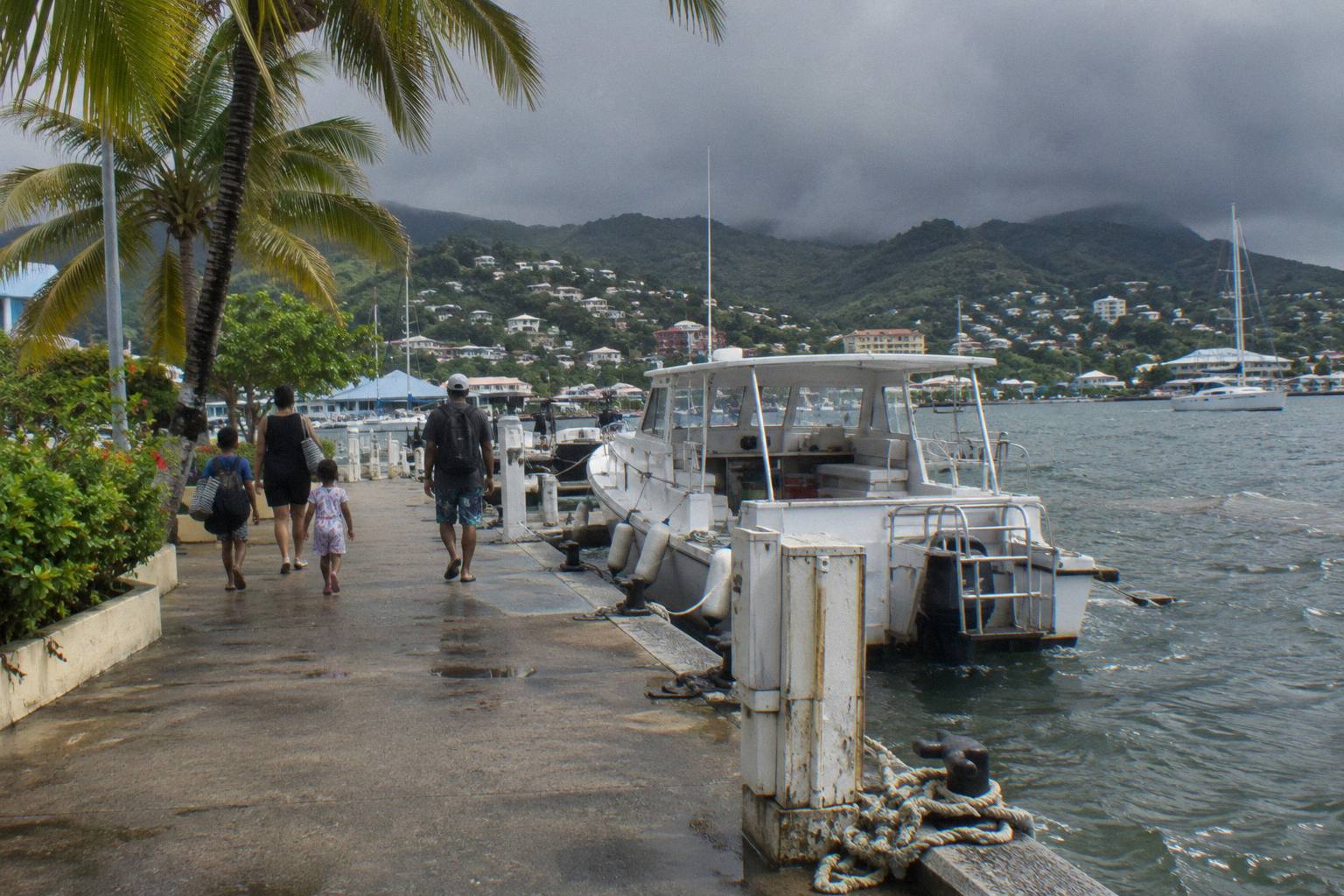
The private safari is a different instrument. It is a 50 ft catamaran, private to your group, up to 40 guests, about 4 hours from Vigie Marina. A guide comes with the boat, along with soft drinks, coffee, tea, water, light snacks, rum punch and local fruit, plus cruise ship pier pick-up and drop-off, which the shared trip does not offer; hotel pick-up and drop-off are not included on either. For a summer group, the private format's real weather advantage is timing: the start is arranged with the operator, so a family or cruise party can shift a departure toward the settled part of a day in conversation with the crew. It rates 4.5 from 75 reviews, from US$2,550.65 per boat, never per person.
| Shared Whale And Dolphin Watching Cruise | Private Whale And Dolphin Safari | |
|---|---|---|
| Price basis | From US$65 per person | From US$2,550.65 per boat |
| Rating | 4.5 from 200 reviews | 4.5 from 75 reviews |
| Length | About 3.5 hours | About 4 hours |
| Vessel | Custom 60 ft boat | 50 ft catamaran, up to 40 guests |
| Confirmation | Instant | Operator confirms |
| Weather cancellation | Operator states alternative date or refund | Cancelled free for bad weather |
| Cruise pier transfer | Not included; marina a short distance from Pointe Seraphine | Pier pick-up and drop-off included |
For illustration, not a quote: US$2,550.65 shared by 4 guests is about US$637.66 each; by 6 about US$425.11; by 8 about US$318.83; by 12 about US$212.55. The shared cruise at US$65 per person is US$130 for 2, US$260 for 4, US$390 for 6. Prices vary by date and group, and the live listing confirms the current figure. The two are never compared as if both were priced per person, because they are not the same product: one sells a seat, the other sells the boat.
Who Is It Worth It For?
It is worth it for travellers who want dolphins and resident pilot whales on a quieter island, and who value the lower summer crowds and instant-confirmation flexibility. It is weaker value for anyone whose holiday is only complete with a humpback whale, or whose itinerary leaves no room to reschedule if a departure is cancelled.
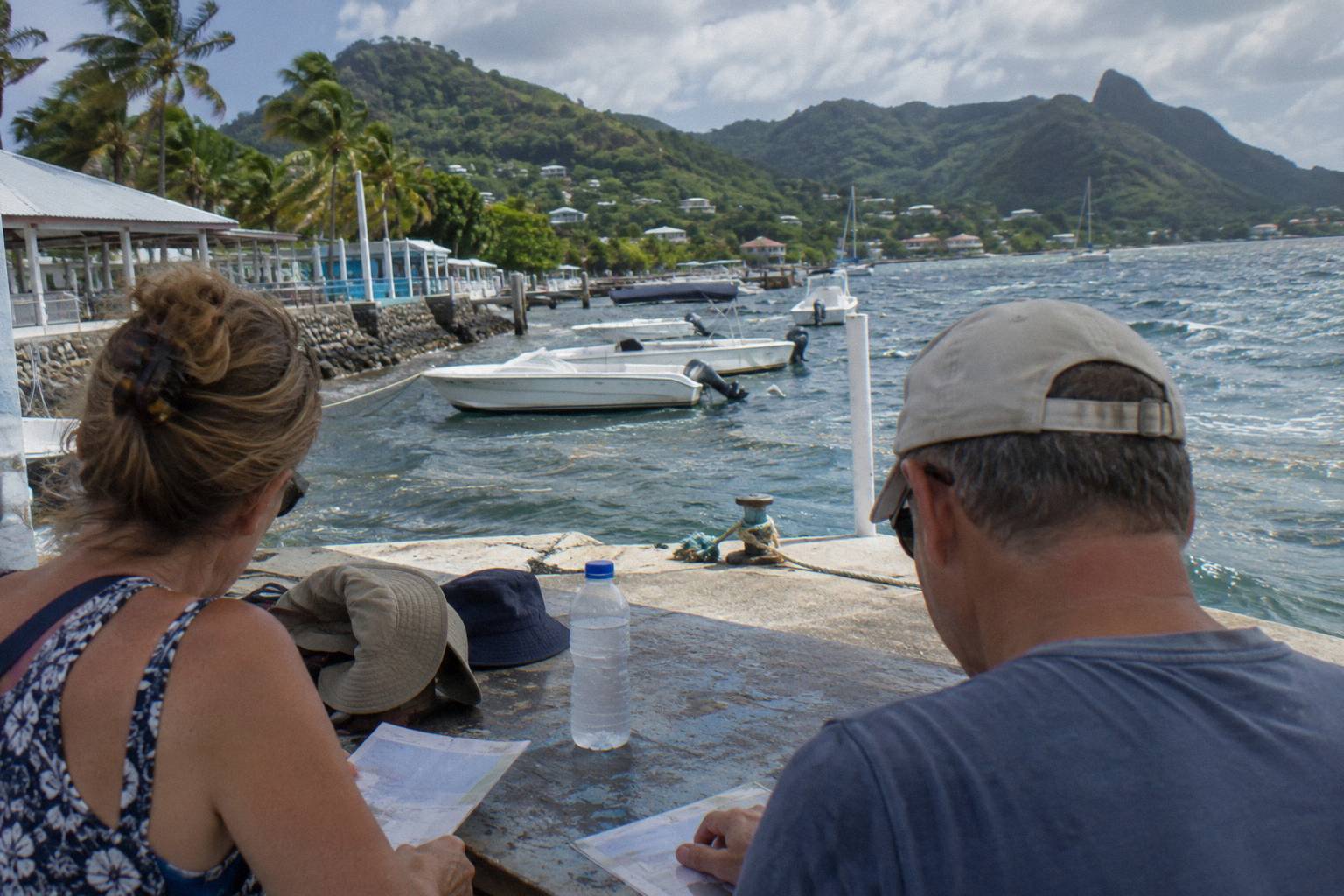
Think in traveller types. A family with school-age children tied to summer holidays is the core summer audience: dolphins are the reliable thrill, children travel with an adult, and no minimum age is printed, so ask the operator when booking. The family angle, including what to pack and how little ones handle the boat, is covered in the family guide to a whale and dolphin cruise. A couple on a summer honeymoon gets a calmer island and lower demand on the water. A cruise passenger docking between June and November has a specific calculation, since trip length is about 3.5 or 4 hours not counting the transfer to the marina, and the private safari's pier pick-up removes the transfer question; the piece on fitting a whale cruise between ship arrival and departure works that through.
The traveller it fits least is the humpback hunter. If seeing a large baleen whale is the entire point of the day, the honest advice is to travel between about February and April, the official window, and read the humpback whales February to April guide first. Summer simply does not offer that probability, and no operator statement on this page suggests otherwise.
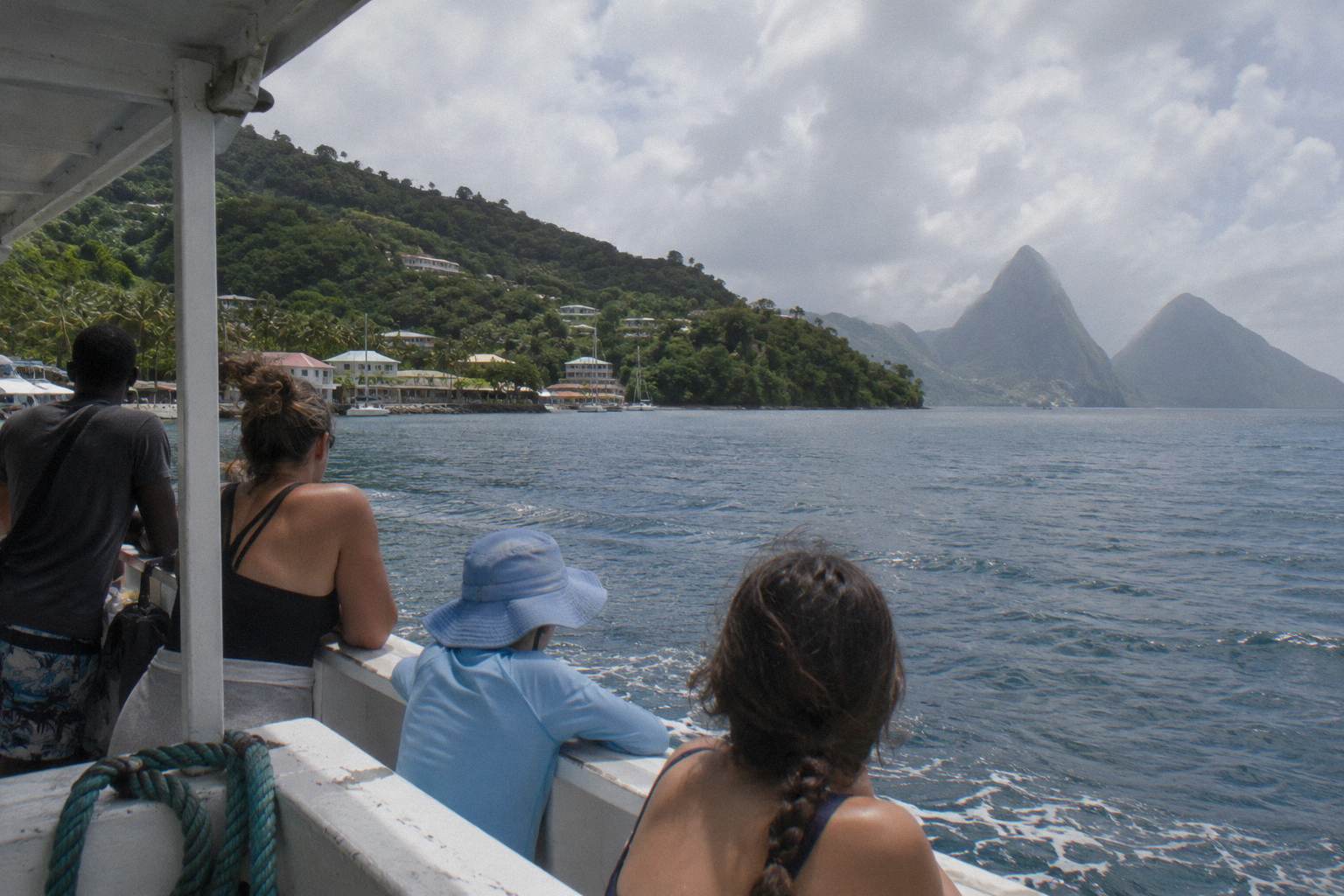
There is also a value argument specific to the season. With humpbacks unlikely, the summer trip is priced the same as any other, from US$65 per person on the shared boat, for the same resident species the winter trip mostly shows you too. If your dates are fixed in June or November, you are not paying a premium for a lesser product; you are paying the standard price for the standard year-round show, with a somewhat higher chance of a weather rerun. That is a fair trade for many travellers, and a poor one for the few whose whole trip hangs on one species.
What Should You Ask Before Booking?
Ask four things: whether your date sits near any forecast disturbance, what the operator's weather-cancellation route is on your booking path, what the boat is if anyone in your party is prone to motion sickness, and when your all-aboard time is if you arrive by cruise ship. Each answer changes a hurricane-season booking more than a winter one.
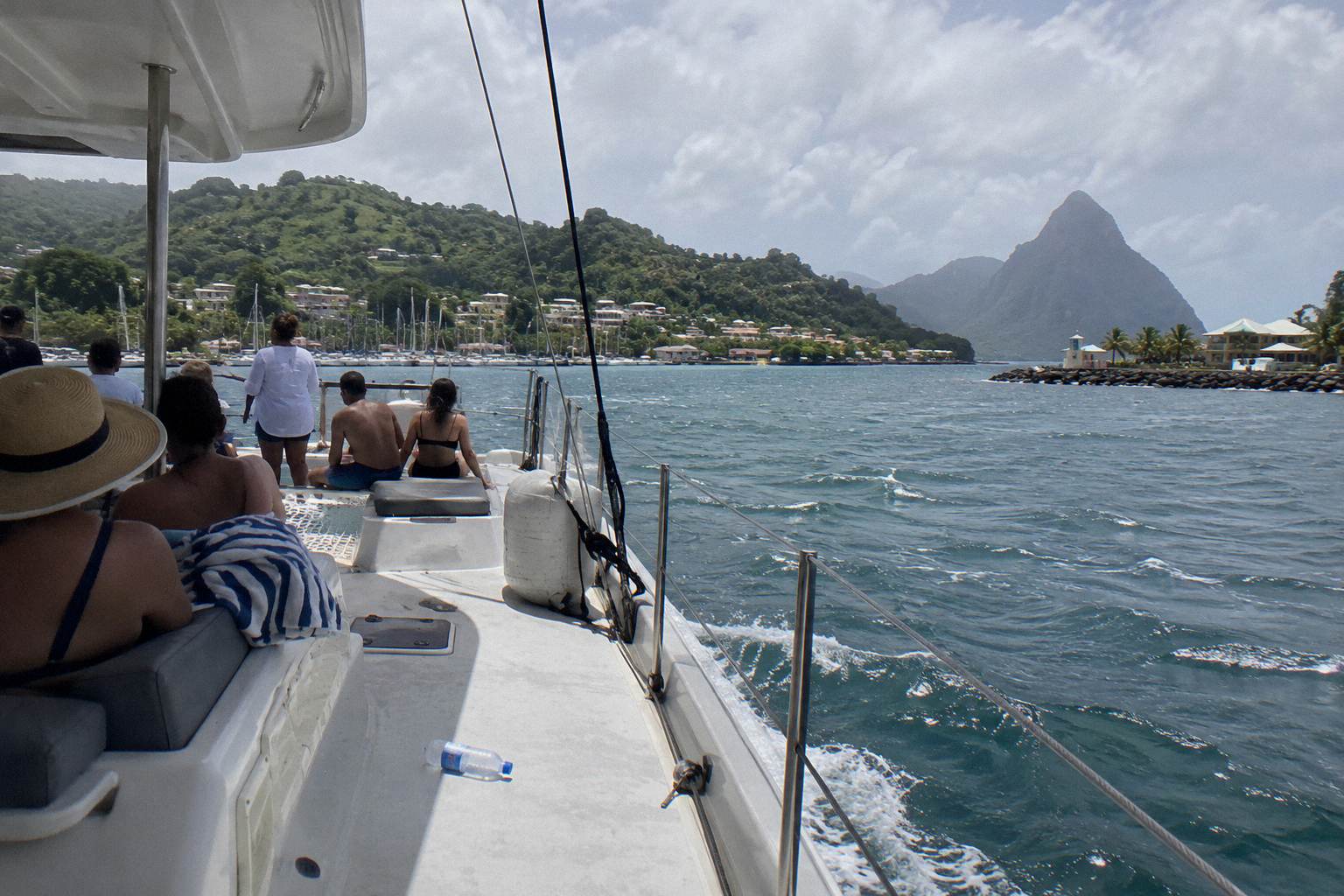
The forecast question comes first because the free-cancellation windows are measured in hours. Both trips cancel free up to 24 hours before departure, so the useful habit is to book, then watch the forecast from three days out, holding the option to cancel free until the window closes. The Saint Lucia Meteorological Service is the official local source for warnings and season statements, and the tourism board's planning pages carry entry and practical basics: a passport valid for the stay plus proof of onward travel, no visa for US, UK or Canadian citizens, and the online immigration form for air arrivals, encouraged up to 3 days before travel.
The boat question matters more in these months simply because the sea is livelier on average. Official guidance says to ask about boat size if prone to motion sickness; on these two trips the answer is a custom 60 ft boat on the shared cruise and a 50 ft catamaran on the private safari. No medical advice and no remedy claims are made here, only the question itself. Bring sun protection, a hat, a light layer for spray and a camera, the standard kit on the what to bring on a whale and dolphin cruise list.
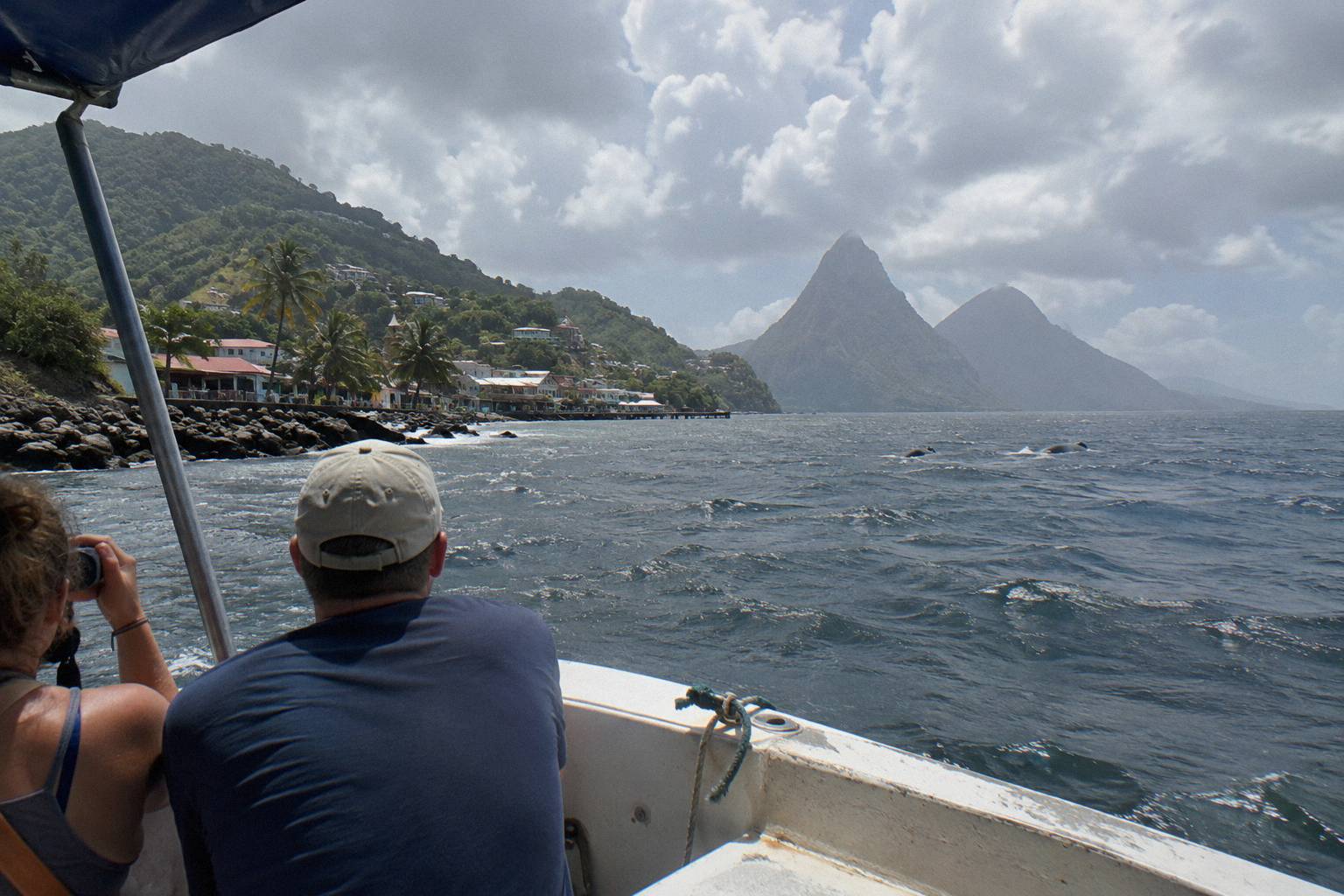
The cruise-ship question is a timing question. Never promise yourself a return time: check the ship's all-aboard time and ask the operator about timing before booking, since trip lengths of about 3.5 and 4 hours do not include getting to the marina. Currency is rarely an obstacle, as the Eastern Caribbean dollar is fixed at EC$2.70 to US$1 and US dollars are widely accepted, but the price you book is the US dollar figure on the live listing, confirmed there.
Common Mistakes In Hurricane Season
The avoidable mistakes are booking for humpbacks in summer, assuming a sighting guarantee because the sea looks calm, ignoring the 24-hour cancellation window until the forecast turns, treating a seasonal animal as a resident one, and forgetting that no rebook-if-no-sighting policy exists on either trip. Each is a planning error, not bad luck.
The first mistake is expecting the migration in the wrong months. Humpbacks pass through between about February and April; from May to November they are unlikely, and a summer booking built around them is a booking built to disappoint. The second is the mirror image: dismissing summer entirely because the word hurricane appears on the calendar, when dolphins and pilot whales are year-round chances and the trips run in every month.
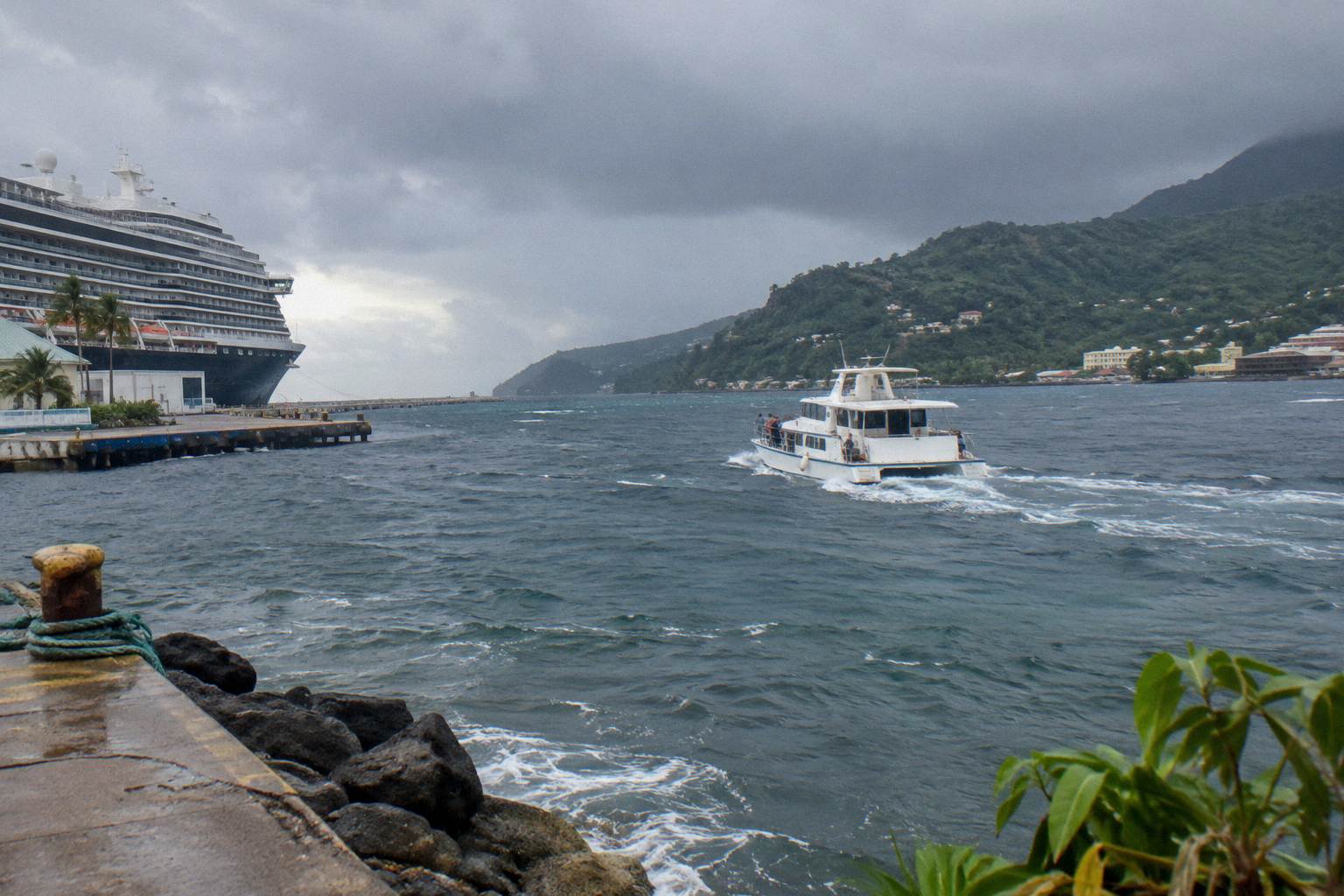
The third is timing the cancellation window badly. Free cancellation up to 24 hours before departure is generous, but only if you actually use it; travellers who book, stop watching the forecast, and then ask about a refund inside the window have given up the flexibility they paid nothing extra to hold. The fourth mistake is misreading animals. Pilot whales and false killer whales get confused, and the honest position is that a guide identifies what is in front of the boat; the pilot whale or false killer whale identification question explains why. No species total, no sighting rate and no population figure for Saint Lucia is printed here, because none exists in the verified sources.
The fifth mistake is ethical blindness, and it applies in every season: licensed operators follow regulated distance guidelines, limit time near animals, provide life jackets and safety briefings, monitor sea conditions, and never chase, touch or feed the animals. The responsible whale and dolphin watching guide sets out the full standard, and choosing an operator who meets it is part of the booking decision, not an afterthought.
Whichever way you lean, both live options are here:
Common Questions About Whale Watching In Hurricane Season
Is A Whale And Dolphin Cruise Worth Booking In Hurricane Season?
For most travellers, yes. Dolphins and pilot whales can be seen off Saint Lucia all year and both trips run year-round, with free cancellation up to 24 hours before departure and weather-related protections on each. Book for resident species rather than humpbacks, which are unlikely from May to November.
When Does Hurricane Season Officially End In Saint Lucia?
The Atlantic hurricane season runs June 1 to November 30. Seas around the island are typically calmer from December to May, which also brings the humpback window of about February to April plus December reports from some operators.
Will Weather Cancel My Whale Cruise?
Sometimes. Sightings and departures depend on weather, season and the animals' movements. The shared cruise operator says a captain's cancellation for unsafe weather brings an alternative date or a refund, and the private safari is cancelled free for bad weather. Both trips cancel free up to 24 hours before departure.
Can I Still See Whales In Summer, Not Just Dolphins?
Yes, as chances. Pilot whales are resident in pods that can sometimes be seen year-round, and sperm whales are considered resident in the region and occasionally sighted in deeper waters. Humpback whales are the species to stop expecting between May and November.
Is There A Refund If We See Nothing?
No. No rebook-if-no-sighting policy exists on either trip, and none should be assumed. Refund and reschedule terms cover cancellation, not empty water.