Are Whales Disturbed By Boats During Cruises?
How whale watching affects whales in Saint Lucia: the viewing guidelines licensed operators follow, how boats should behave near animals, and how guests keep the impact low.
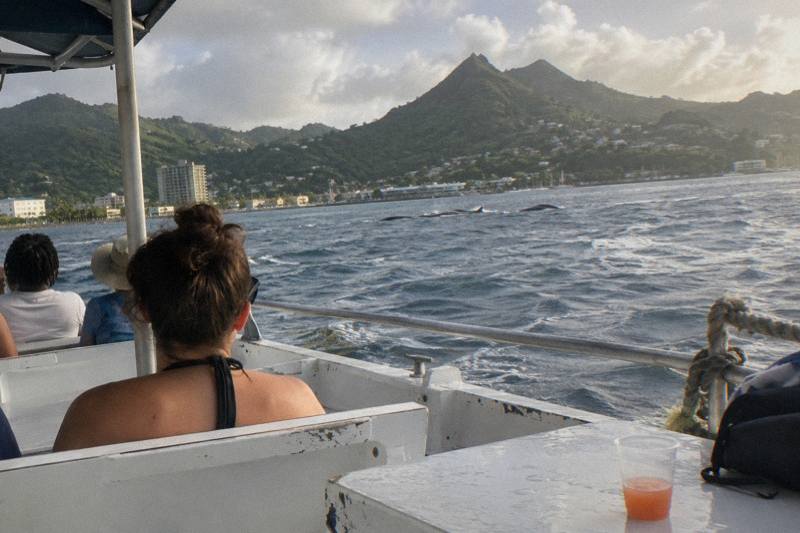
They can be, which is exactly why licensed whale watching in Saint Lucia is built around rules: operators follow regulated distance guidelines, limit the time spent near animals, and leave them space to move on. When a boat approaches slowly, never chases, and never touches or feeds anything, the encounter stays on the animals' terms. Done badly, without those habits, boat traffic can disturb whales. The difference is conduct, not the trip itself.
That distinction matters to a lot of travellers. Some people hold off on booking a whale or dolphin trip because they are not sure whether the money they spend quietly funds something harmful, and the question deserves a straight answer rather than reassurance. The official position in Saint Lucia is that whale and dolphin watching runs year-round under a set of responsible viewing practices, and the tourism board describes licensed operators following regulated distance guidelines, limiting time near animals, providing life jackets and safety briefings, and monitoring sea conditions.
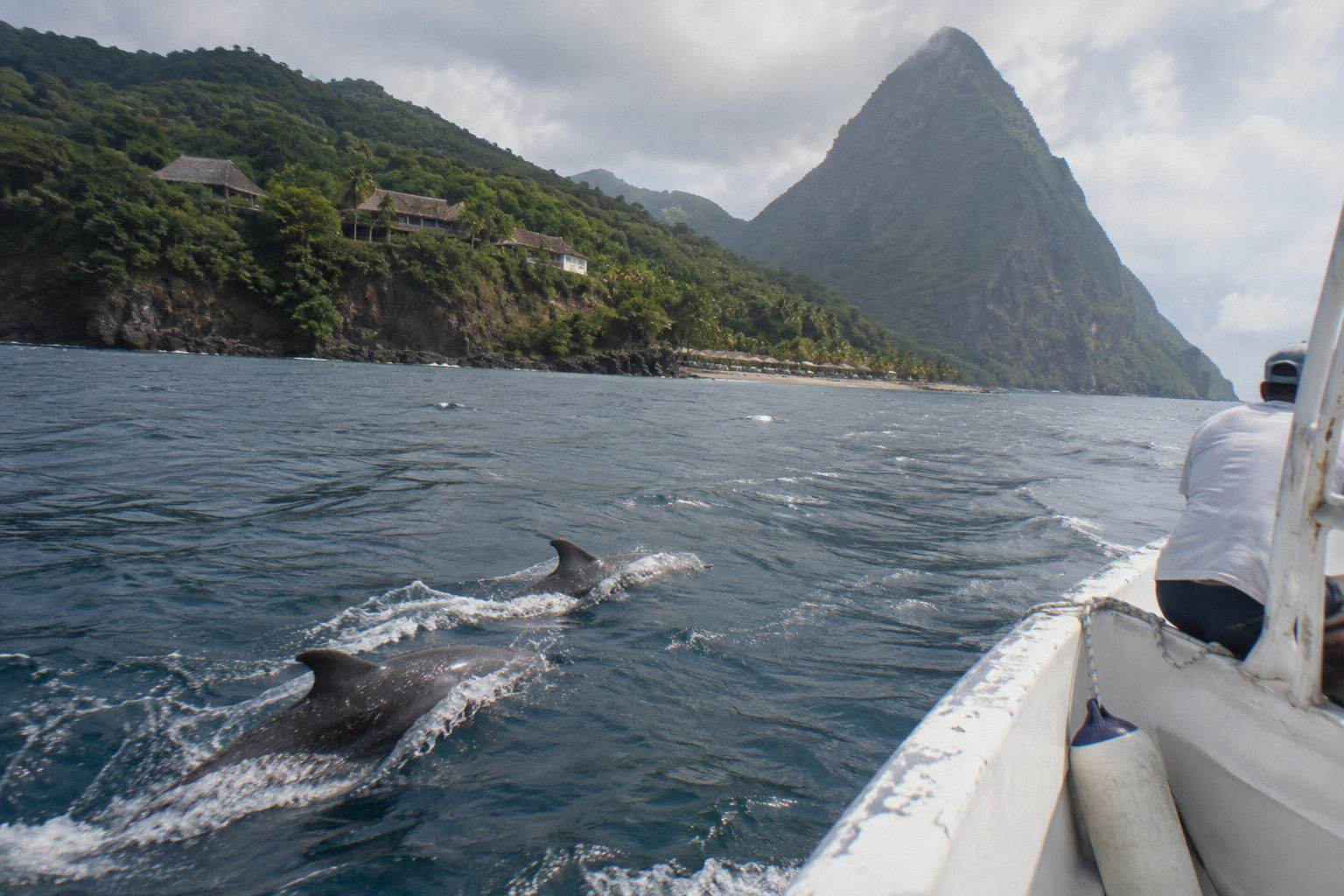
What that looks like on the water is simpler than the wording suggests. A responsible boat does not race at a pod, cut across its path, or box it in against the shore. It slows down well before it gets close, holds a steady course so the animals can predict where the boat will be, and moves away again after a short stay. Dolphins being dolphins, they sometimes make the decision themselves: spinner dolphins are frequently sighted year-round off Saint Lucia, and they occasionally ride a boat's bow wave out of what looks like pure enthusiasm. Even then the crew's job is to hold course and speed and let them leave when they want to.
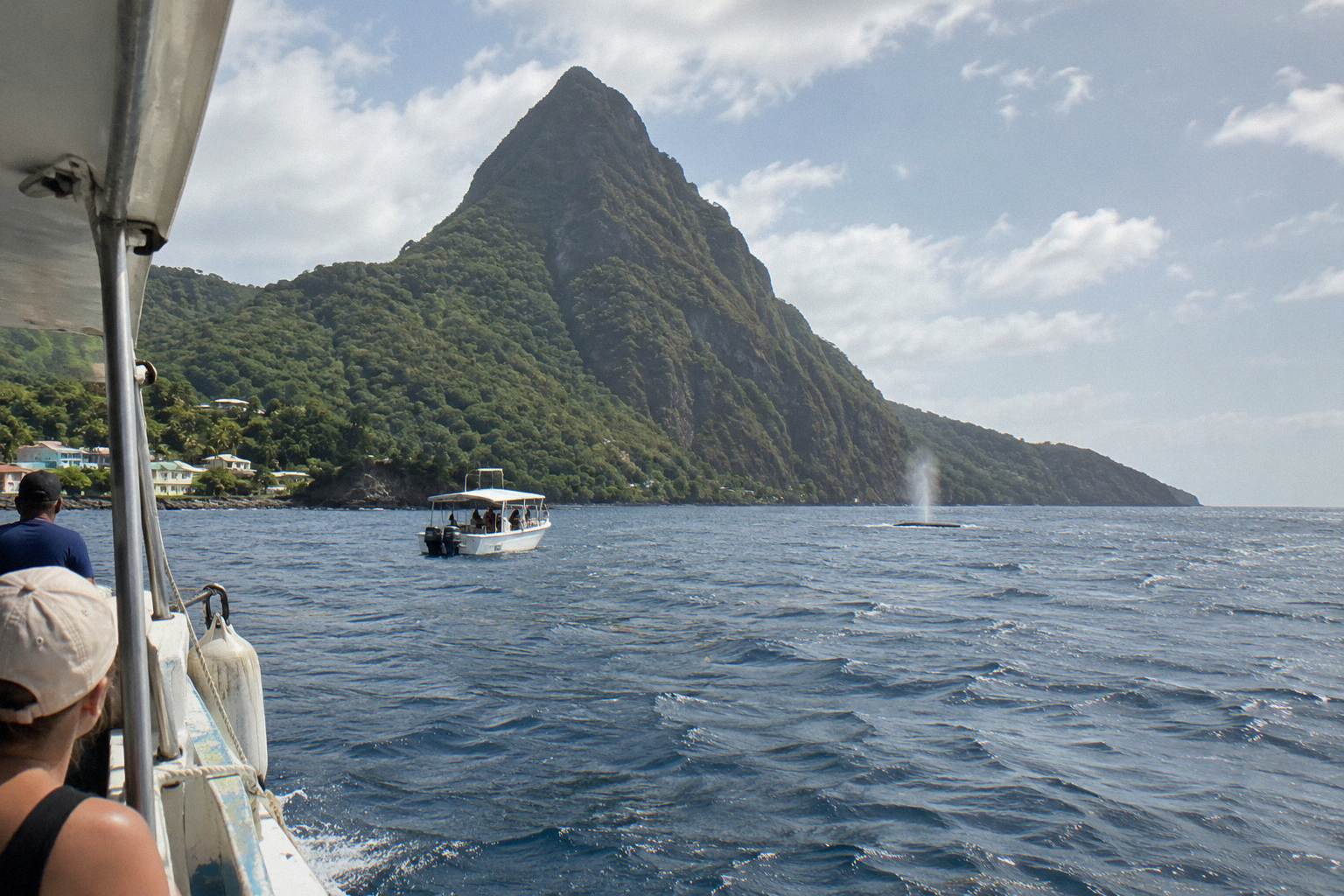
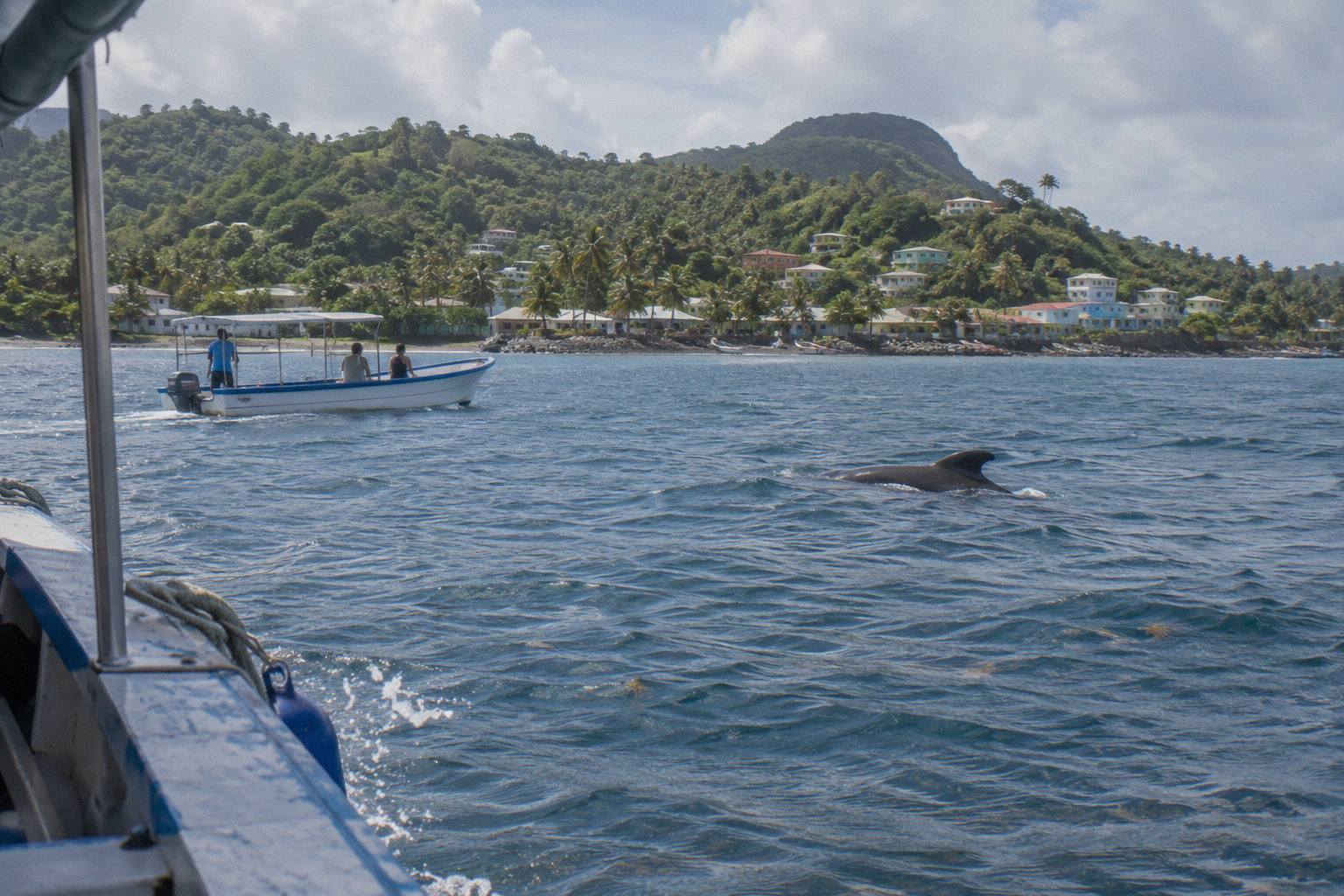
The species on the Saint Lucia coast are worth knowing here because the ethics conversation changes with the animal. Pilot whales live in resident pods that can sometimes be seen through the year in close family groups, so a boat meeting them is meeting the same neighbours repeatedly, and restraint matters more, not less. Sperm whales are, in the tourism board's wording, considered resident in the region and occasionally sighted in deeper waters, and they belong to the wider Eastern Caribbean population that the Dominica Sperm Whale Project studies. Humpbacks pass through between about February and April. Every one of these is a chance, never a promise, and never a guaranteed sighting.
If the ethics question is the thing holding you back, the practical move is to pick an operator that runs the trip you actually want and read what their listing says about how the boat handles encounters. The two trips covered on this site, the shared cruise and the private safari, are both run by long-standing Castries operators, and both sit inside the same regulated framework described above.
What Do Licensed Operators Follow?
Licensed operators in Saint Lucia follow regulated distance guidelines, limit the time spent near animals, provide life jackets and safety briefings, and monitor sea conditions before and during trips. Those four duties come from the official tourism board description of responsible viewing, and they are the framework every licensed trip on the island works inside. No specific distance in metres is published, and none is needed to judge a boat's conduct.
The useful way to read that list is as a set of promises you can actually check from the deck. A distance guideline means the captain holds the boat back from the animals rather than pressing in close for a better photo. A time limit means the boat does not park beside a resting pod for an hour. Life jackets and a safety briefing tell you the crew treats the trip as a commercial marine operation, not an improvised joyride. Monitoring sea conditions matters for the animals too, not just the guests, because rough weather is when encounters go wrong fastest.
None of this is theoretical. The tourism board's own whale and dolphin watching guidance spells out the practice list: slow approach, no chasing, no touching or feeding, and space for the animals to move on. That last phrase is the heart of it. An animal that wants to leave can, at any moment, without having to dive under a hull or sprint away from an engine. A boat that gives that space is doing the single most important thing it can do.
For context on why this framework exists, it helps to know a little about who the animals are. The sperm whales seen off Saint Lucia's west coast belong to the wider Eastern Caribbean population, the same families that researchers at the Dominica Sperm Whale Project have studied for years. Deep water lies close to the island's Caribbean coast, so animals can appear not far offshore, which puts boats and whales in shared water whether or not anyone booked a trip. The guidelines exist because the sharing is constant, not occasional.
There is a separate question people sometimes ask, which is whether unlicensed or informal boats behave the same way. The honest answer is that you cannot know, which is precisely the argument for booking with an established operator whose listing, cancellation terms and review history are all publicly visible. The Shared Whale And Dolphin Watching Cruise is run by Captain Mike's, which says it belongs to the Hackshaw family and has over 60 years of experience. The Private Premium Whale And Dolphin Safari is run by Hackshaw's Boat Charters, which says it has run since 1953 and is World Cetacean Alliance certified. Both are the operators' own statements about themselves, but they are statements a responsible-viewing framework can be built around.
One boundary worth stating plainly: swimming with whales or dolphins is not offered on either trip covered here, and no responsible operator in Saint Lucia suggests it. Watching happens from the boat. That single exclusion removes most of the worst interactions people picture when they worry about whale tourism, because in-water contact is where disturbance turns into intrusion.
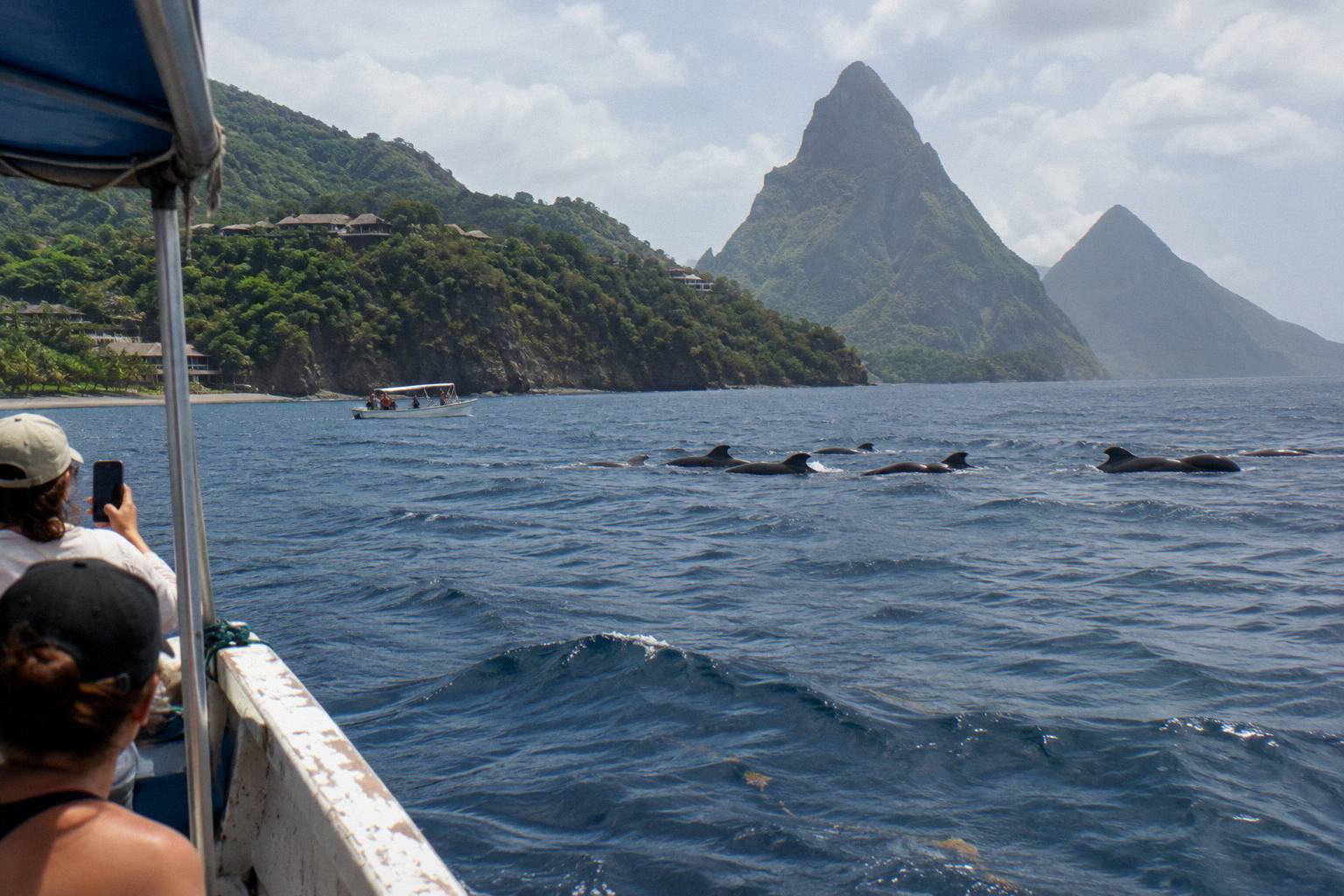
How Should A Boat Behave Near Animals?
A boat should approach slowly, hold a steady course and speed, never chase, never cut across an animal's path, never separate mothers from calves, and leave after a limited time. Guests should not touch or feed anything, and the animals always keep room to move on. Those behaviours are the official responsible-viewing practice list, and they are what separates watching from harassment.
Slowness does more work than any other rule. A whale or dolphin decides what a boat is partly from how it moves: a vessel that slows down well before the encounter reads as predictable, while one that keeps planing toward a pod reads as a threat. Predictability is why good crews also avoid sudden turns or gear changes near animals, and why the boat tends to travel parallel to a group rather than head-on. If the animals change direction, the boat does not immediately mirror them.
The no-chasing rule has an obvious form, pursuing a moving animal, and a subtler one: repeated re-approaches. A boat that drops back, speeds around, and comes in again from the other side is chasing with extra steps, and a time limit near the animals is what stops it. When spinner dolphins, frequently sighted here year-round, come over to a boat on their own, the correct response is to maintain course and let them bow-ride or peel off as they choose. The interaction ends when they say it ends.
| Official practice | What it looks like from the deck | What it protects |
|---|---|---|
| Slow approach | Engines ease down well before the boat is near animals | The animals' ability to read the boat as predictable |
| No chasing | The boat never follows a moving pod or re-approaches repeatedly | Energy the animals would spend fleeing instead of feeding or resting |
| Limited time near animals | The stay near one group is short, then the boat moves off | Resting animals, especially pilot whale family pods |
| Space to move on | The boat never boxes animals against the shore or blocks their heading | The animals' freedom to end the encounter |
| No touching or feeding | Nobody reaches out, nothing goes in the water | Natural behaviour and health |
Feeding is the rule guests break most often without meaning to. Tossing a fish to a dolphin, or letting food scraps go overboard, teaches wild animals to associate boats with food, and that association outlives the holiday. The same logic covers trying to touch a dolphin that surfaces near the hull. Contact that feels like a moment of connection to a guest reads as something very different to the animal.
Mothers and calves deserve a note of their own. Pilot whales travel in close-knit family groups, and humpbacks passing through between February and April can include mothers with calves. Good practice around any mother-calf pair is more conservative than around a bachelor group: more distance, less time, and no positioning between them. You do not need to enforce this yourself, but noticing whether the crew does is one of the cleanest signals of a well-run boat.
Weather plays into conduct too. Licensed operators monitor sea conditions, and both trips covered here treat weather seriously on the commercial side as well: the private safari is cancelled free for bad weather, and the shared cruise's free cancellation window runs up to 24 hours before departure, which gives room to rebook when conditions turn. Seas around Saint Lucia are typically calmer from December to May, which is worth knowing when you plan.
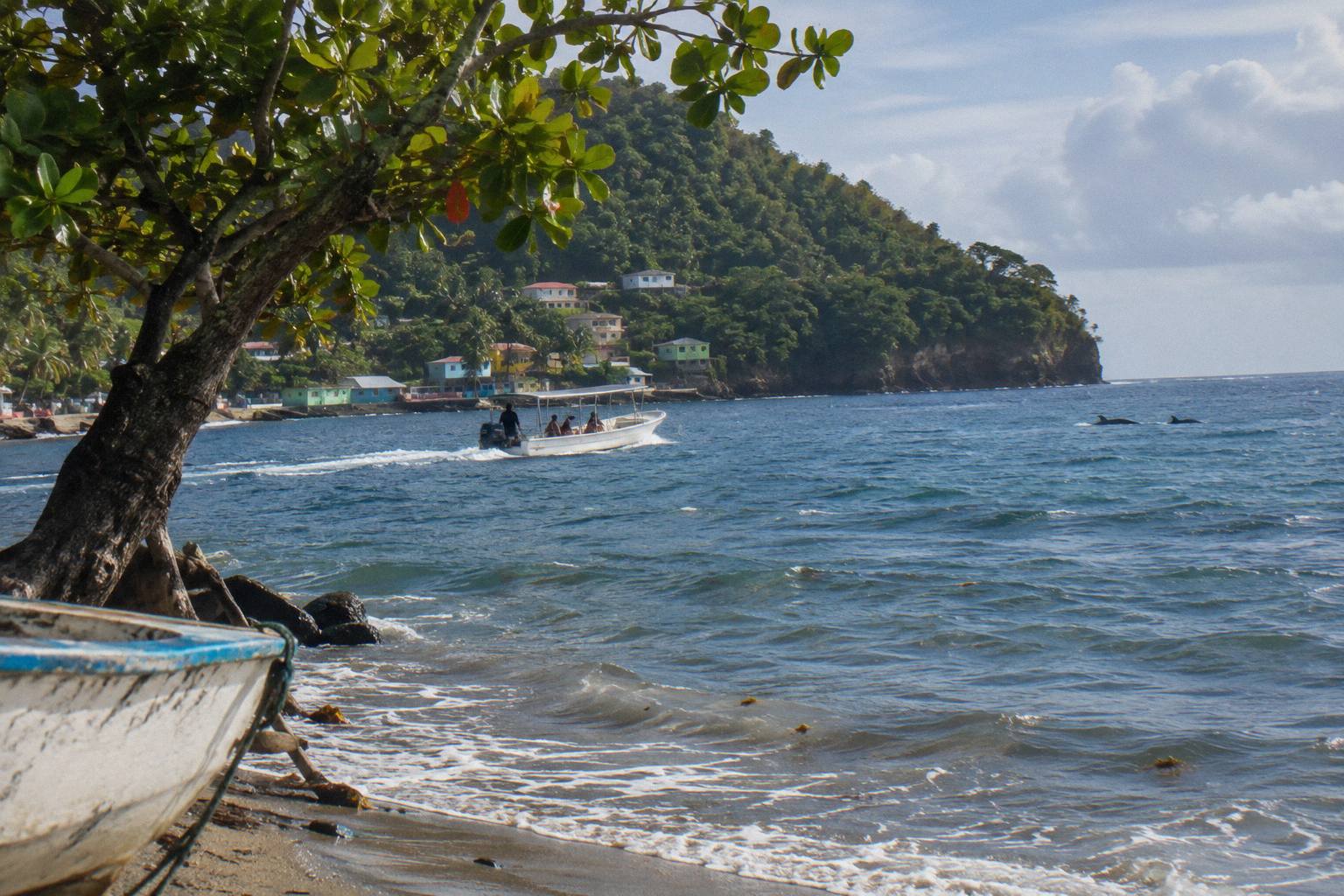
What Should Guests Do And Not Do?
Guests should follow the crew's briefing, keep noise down near animals, stay behind rails or seated when the boat slows, never reach out to touch or feed anything, and let the crew set the pace of every encounter. The guest's main job is to be a calm, quiet presence on a boat whose conduct is the crew's responsibility, and to speak up if something looks wrong.
The briefing at the start of a trip is not paperwork. It covers where to stand when the boat slows, how the crew will signal an encounter, and what guests should do with phones, hats and bags. On the shared cruise a local marine expert aboard will usually frame the trip's rules in those opening minutes. Listening to it once makes every later decision easier, because the moment a whale surfaces is exactly the moment nobody wants to be guessing.
Noise is the guest-side factor people underestimate. Sound travels efficiently in water, and a deck of shouting passengers is a different presence than a quiet one. Nobody needs silence, whale trips are joyful and should be, but a crew that asks the boat to hush as it approaches is applying the slow-approach principle in the one way guests control directly. Photography fits the same pattern: a camera with a quiet shutter and a long lens disturbs less than shouting to get someone's attention for a selfie.
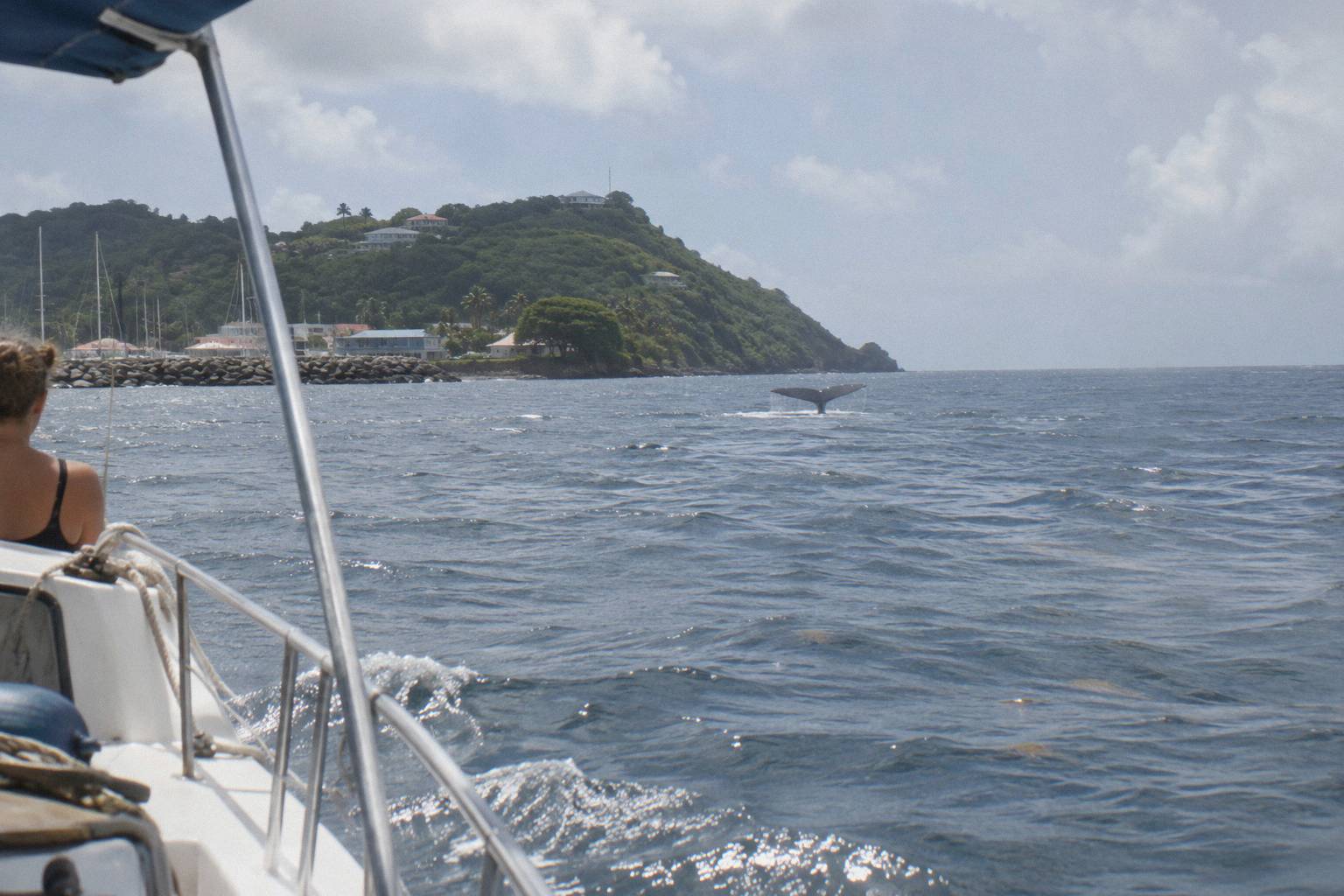
What guests should not do is a shorter and firmer list. Do not touch or feed any animal, even one that surfaces close to the hull. Do not ask the crew to get closer; the request puts a professional in the position of choosing between a paying customer and the guidelines, and the good ones have already answered it. Do not throw anything overboard. Do not treat a dolphin's curiosity as an invitation to contact. And do not book a swim-with option, because no responsible Saint Lucia operator offers one, as the responsible whale and dolphin watching practices guide on this site sets out in more detail.
Children fit into this easily. There is no printed minimum age on the shared cruise; children travel with an adult, and the operator can confirm specifics when booking. A child who has been told in advance that the boat stays quiet near animals tends to be the most attentive spotter on deck anyway.
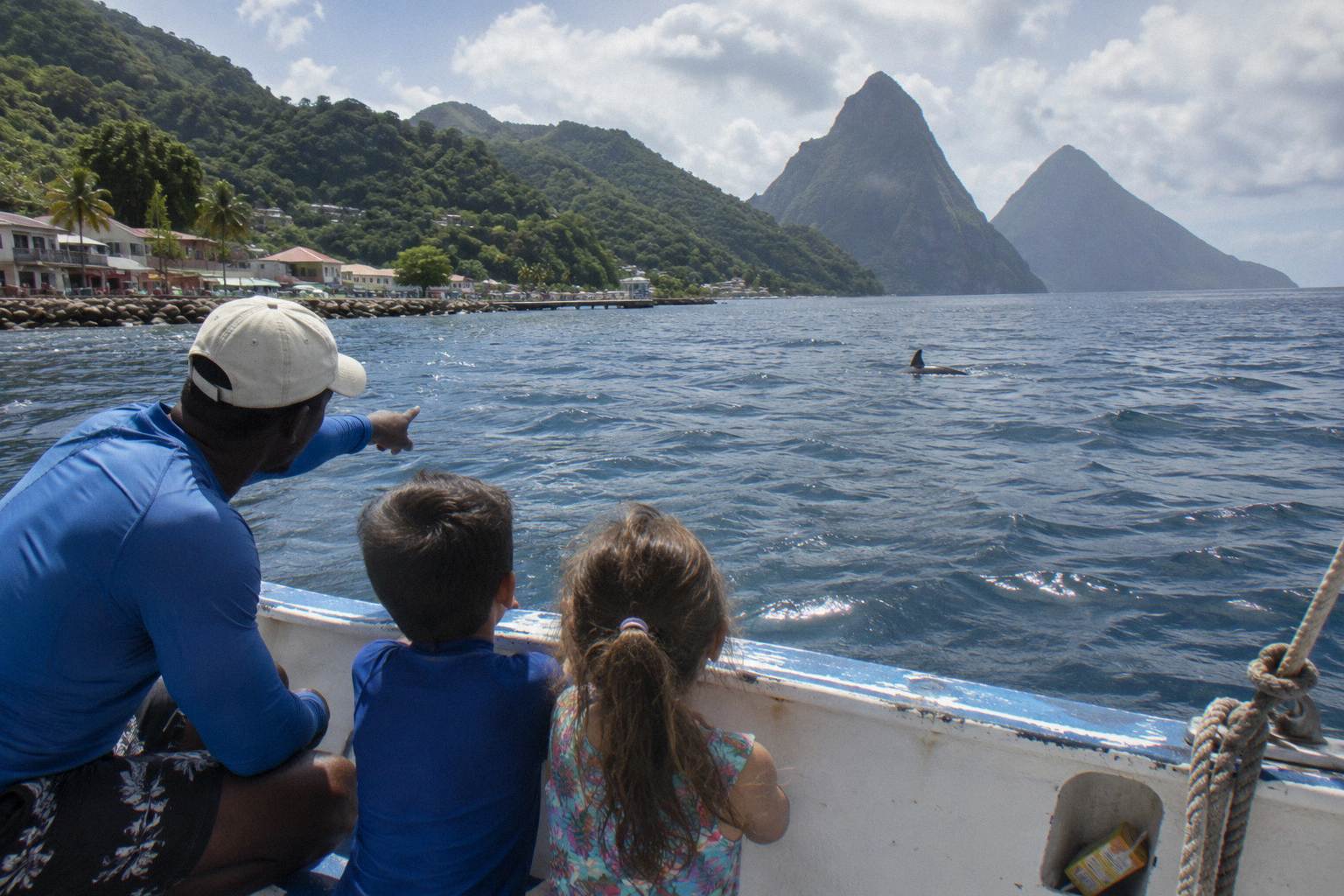
If something on the water looks wrong, a guest saying so is not being difficult. Asking the crew calmly why the boat is holding position, or why it is leaving now, gets an answer from a professional and signals that passengers are watching the conduct. On the shared trip, the group size is not published, but the boat is a custom 60 ft vessel with room to move around, and the marine expert aboard is there to be asked things. Curiosity from guests is part of how the practice stays honest.
How Do You Choose A Responsible Operator?
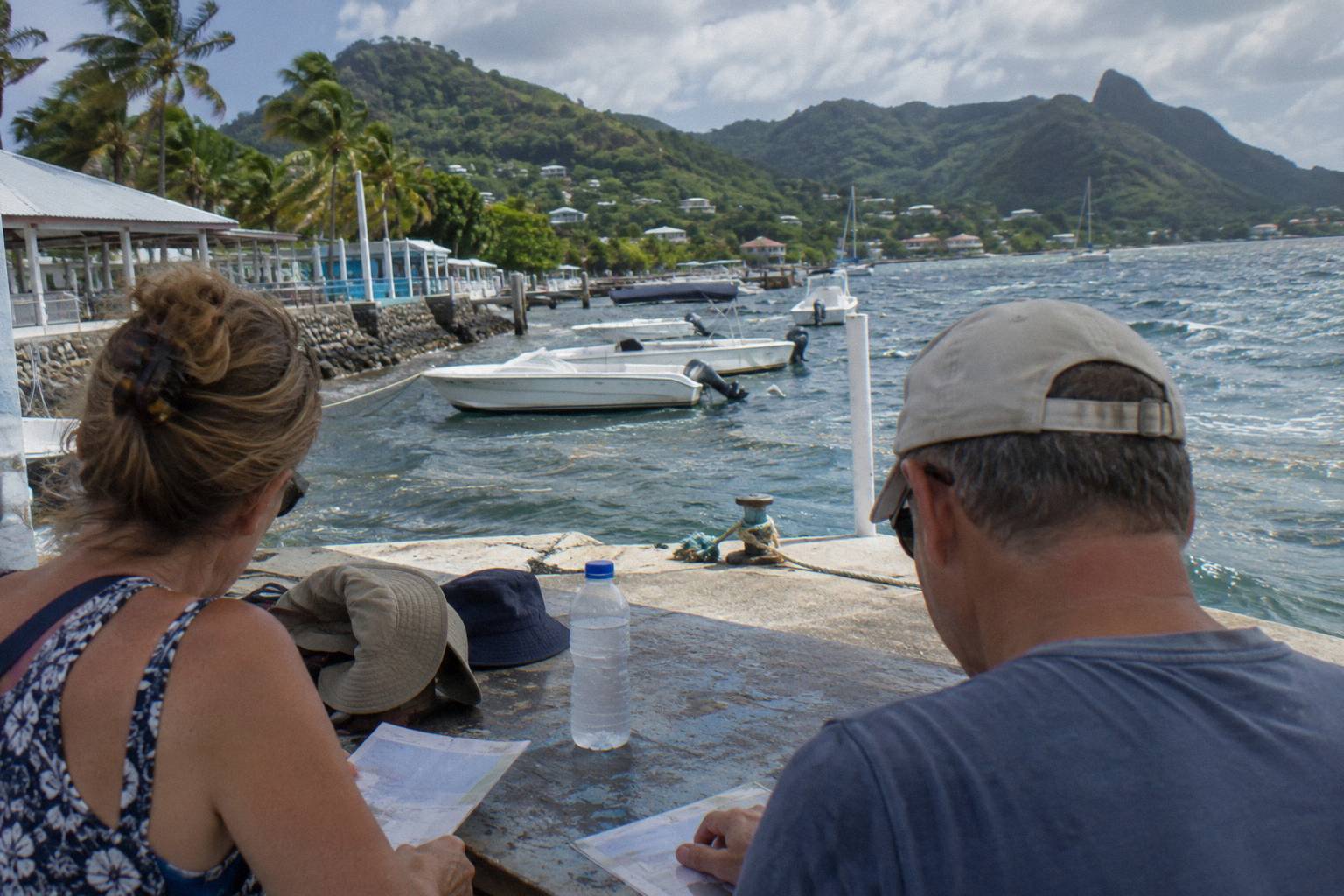
Choose an operator that publishes its cancellation terms, names who guides the trip, states what is included, and describes how the boat handles encounters. Longevity and certification help, read as the operator's own statements. On this site two trips fit: a shared cruise from US$65 per person and a private safari from US$2,550.65 per boat, both rated 4.5, with 200 and 75 reviews respectively.
The paper trail is the first tell. An operator whose listing states its departure point, trip length, inclusions, exclusions and cancellation window is an operator inviting scrutiny. One that promises only "unforgettable encounters" and a phone number is asking you to decide blind. The two trips covered here both spell out their terms: the Shared Whale And Dolphin Watching Cruise, about 3.5 hours from Vigie Marina in Castries Harbour, includes a local marine expert plus bottled water, soft drinks and rum punch, excludes gratuities and hotel pick-up, and offers free cancellation up to 24 hours before. The Private Premium Whale And Dolphin Safari, about 4 hours on a 50 ft catamaran for up to 40 guests, includes a guide, drinks, light snacks, rum punch, local fruit and cruise ship pier pick-up and drop-off, with the same 24-hour free cancellation plus free cancellation for bad weather. Other pages covering the same trip are gathered on St Lucia Whale Watching.
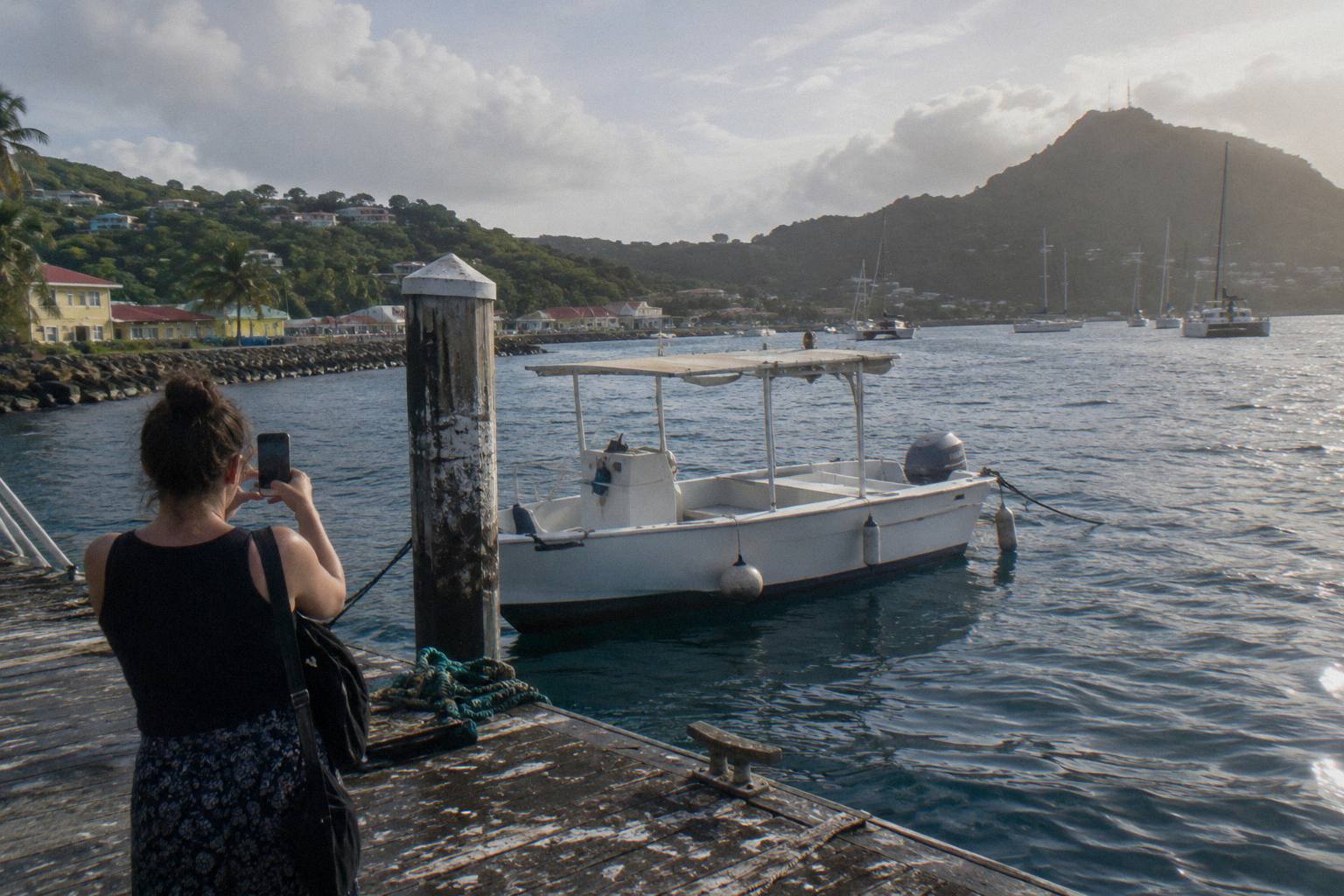
The second tell is who talks during the trip. A boat with a marine expert or guide aboard has someone whose job includes explaining what the guidelines are and why the boat is behaving as it does. That person is also your best identification resource, since telling a pilot whale from something rarer at a distance is genuinely hard, and a guide identifies what is actually in front of the boat rather than what everyone hopes it is.
| Signal to check | Shared Whale And Dolphin Watching Cruise | Private Premium Whale And Dolphin Safari |
|---|---|---|
| Price basis | From US$65 per person | From US$2,550.65 per boat, private to your group |
| Rating and reviews | 4.5 from 200 reviews | 4.5 from 75 reviews |
| Length | About 3.5 hours | About 4 hours |
| Guide aboard | Local marine expert | Professional wildlife guide |
| Cancellation | Free up to 24 hours before | Free up to 24 hours before, and for bad weather |
| Departure | Vigie Marina, Castries | Vigie Marina, Castries |
Prices vary by date and group, and the booking page confirms the current figure. The private charter's price is per boat, never per person: for illustration, not a quote, US$2,550.65 shared by 4 guests is about US$637.66 each, by 6 about US$425.11, by 8 about US$318.83, by 12 about US$212.55. The shared cruise at US$65 per person is US$130 for 2, US$260 for 4, US$390 for 6. The two are never ranked against each other here; they are different products answering the same ethics question in different formats.
Longevity and certification are softer signals but real ones. Captain Mike's says it has over 60 years of experience and belongs to the Hackshaw family. Hackshaw's Boat Charters says it has run since 1953 and is World Cetacean Alliance certified. Treat both as the operators' statements about themselves, which is what they are, and weigh them alongside the published terms, the review counts and what the listing says about encounters. Operators that survive decades in a small marine tourism market generally do so by not souring the water they work in.
Reviews deserve a specific reading. Look for guests describing the boat's behaviour near animals rather than only the sightings. A review that mentions the crew easing off, explaining the rules, or moving on from a pod tells you more about ethics than a five-star rating with a dolphin emoji ever could. Our companion piece on whether the whale and dolphin excursion in Saint Lucia is worth it goes deeper on reading reviews with sighting claims in mind.
Does A Private Boat Change The Impact?
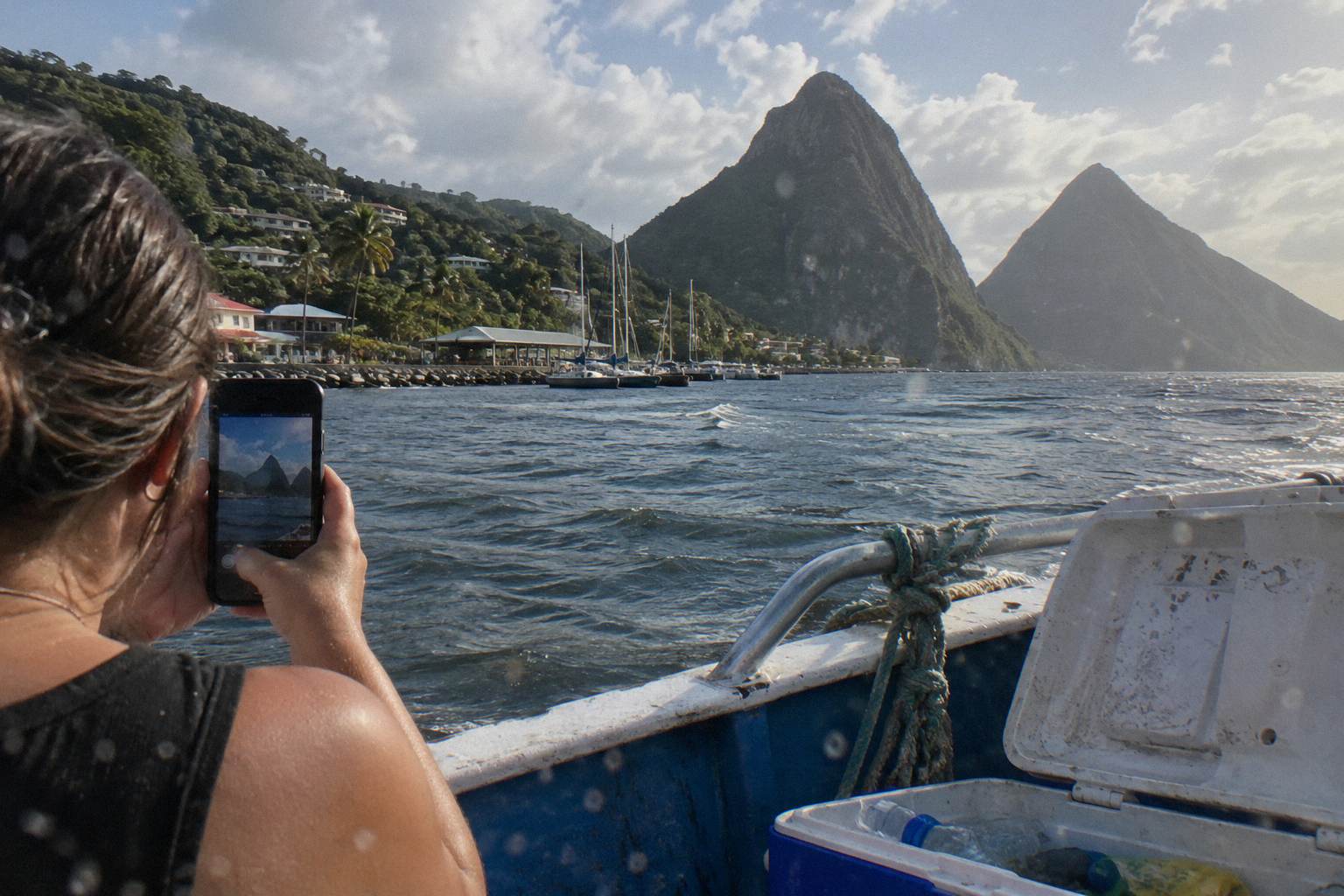
Yes, in shape rather than in kind. A private charter carries one group instead of several separate boats, which can mean fewer vessels around the same animals on a given morning, but the ethical standard is identical: the same distance guidelines, the same limited time, the same space to move on. Privacy changes who is on the boat, not how the boat behaves.
The arithmetic is the interesting part. If a family of eight would otherwise join a shared cruise alongside other parties, the per-group footprint of the shared trip is small. But groups that would each book separate boats can, by chartering one vessel together, put everyone on a single hull, and the private safari takes up to 40 guests. Fewer boats near the same pod of pilot whales is a real reduction in pressure, provided the one boat behaves.
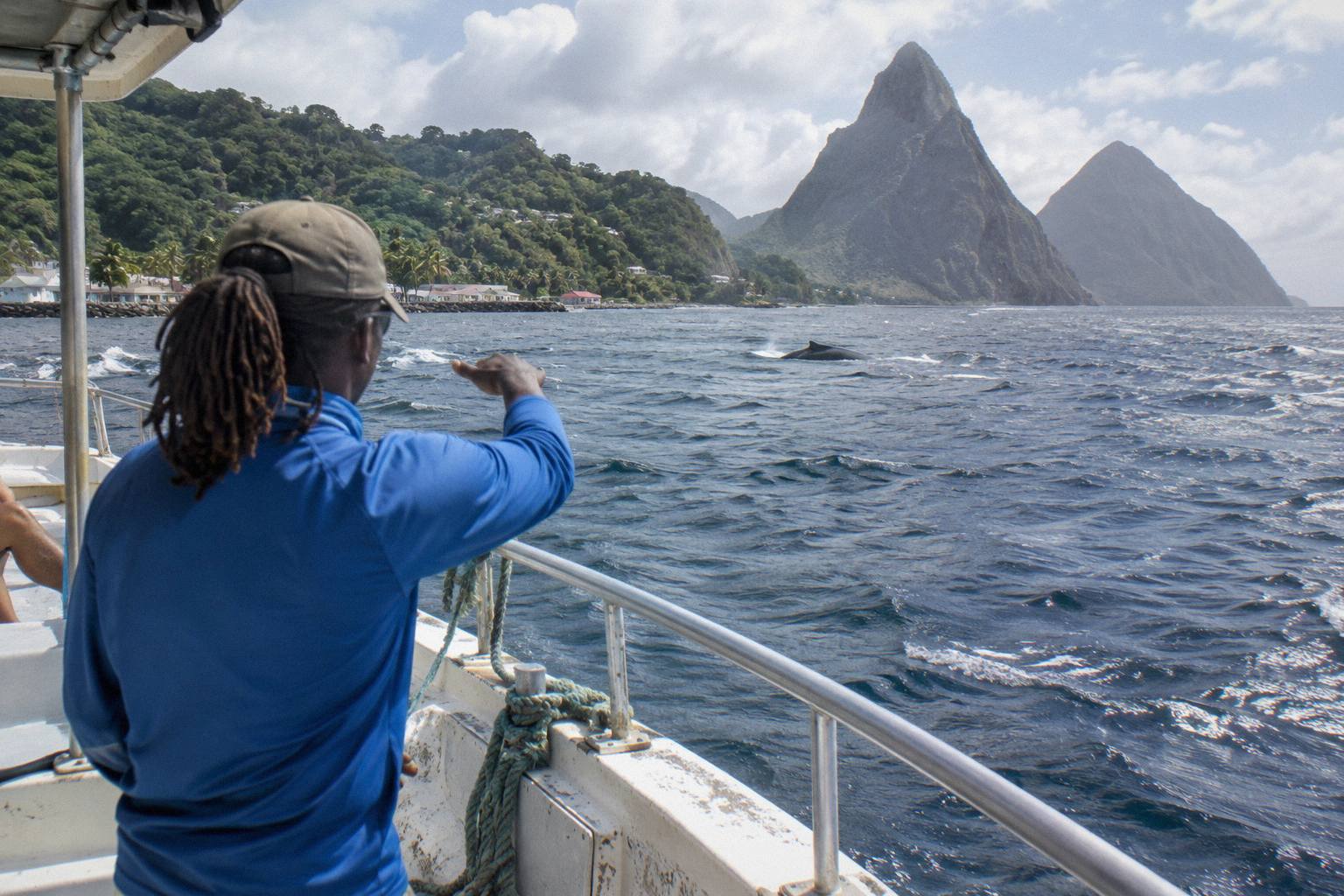
There is a counterweight. A private charter can tempt a group toward worse behaviour, because the paying customers feel the boat is theirs and the crew is smaller relative to the guests. The fix is the same on both trips: the crew sets the conduct, and the guests follow it. The private safari carries a professional wildlife guide, and its start time is arranged with the operator, which lets the trip plan around sea conditions rather than a fixed schedule, a quiet advantage on the ethics side too.
The safari's format also suits some of the official practices naturally. With a single group aboard, the briefing reaches everyone, the guide can explain the slow-approach reasoning conversationally, and there is no anonymous crowd in which a bad actor hides. Time near animals can be judged group by group. None of that is automatic virtue, but the structure makes good practice easier.
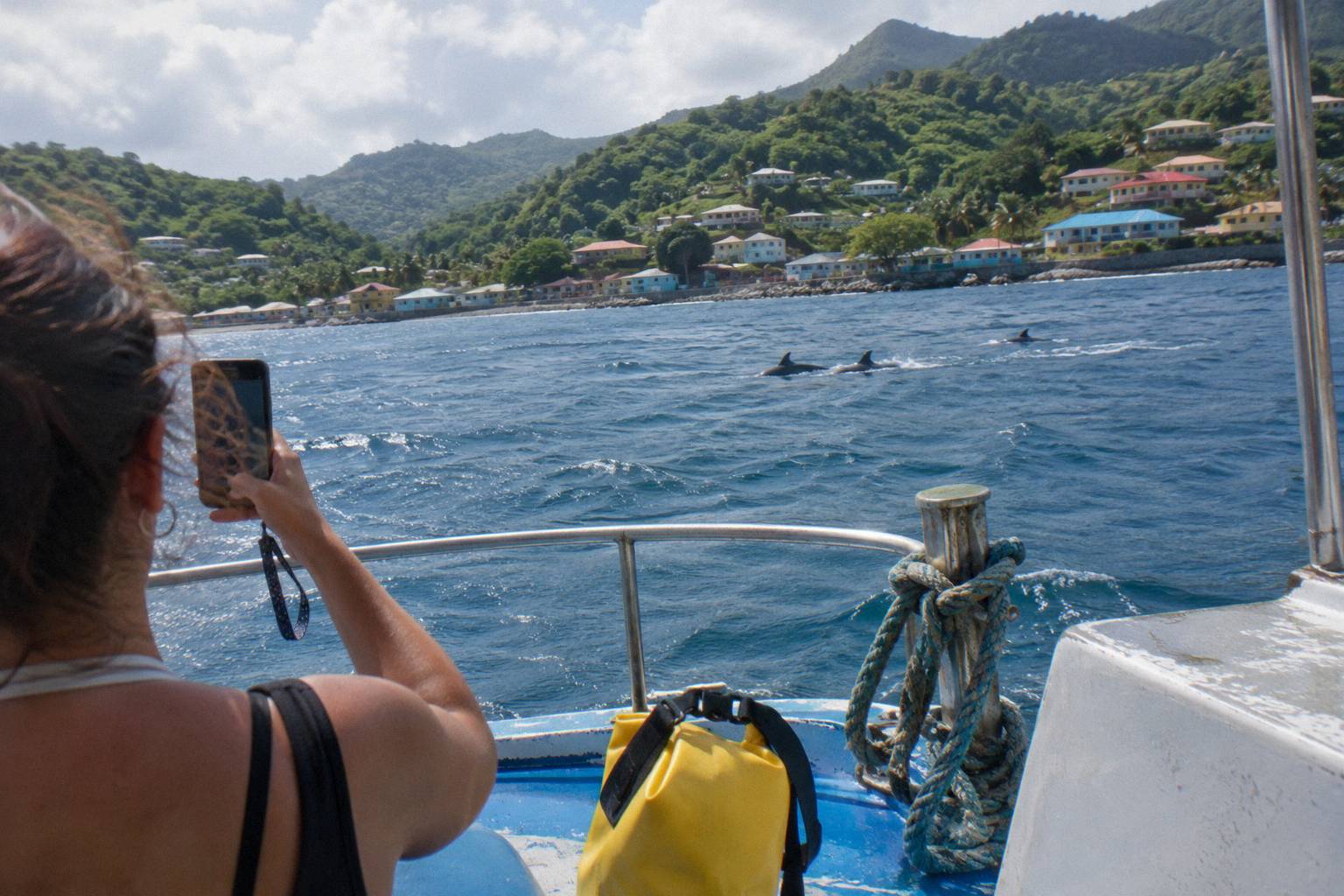
What does not change is the biology. Pilot whale pods stay resident year-round, dolphins stay year-round, sperm whales stay resident in the region and are occasionally sighted in deeper waters, and humpbacks pass through from about February to April. The animals do not know or care whether the boat overhead is shared or chartered. What they experience is the boat's speed, course, noise and persistence, and those are governed by guidelines on both formats. If the ethics question is what has been blocking your booking, choose the format for your group and budget, then judge the operator on conduct, the question of whales and disturbance from boats being settled by behaviour rather than ticket type.
What Should You Ask Before Booking?
Ask who guides the trip, what the cancellation terms are, how the boat approaches animals, what happens if weather cancels the day, and whether the start time is fixed or arranged. Five questions, asked before payment, will tell you more about an operator's ethics than any listing description, and every one of them has a factual answer.
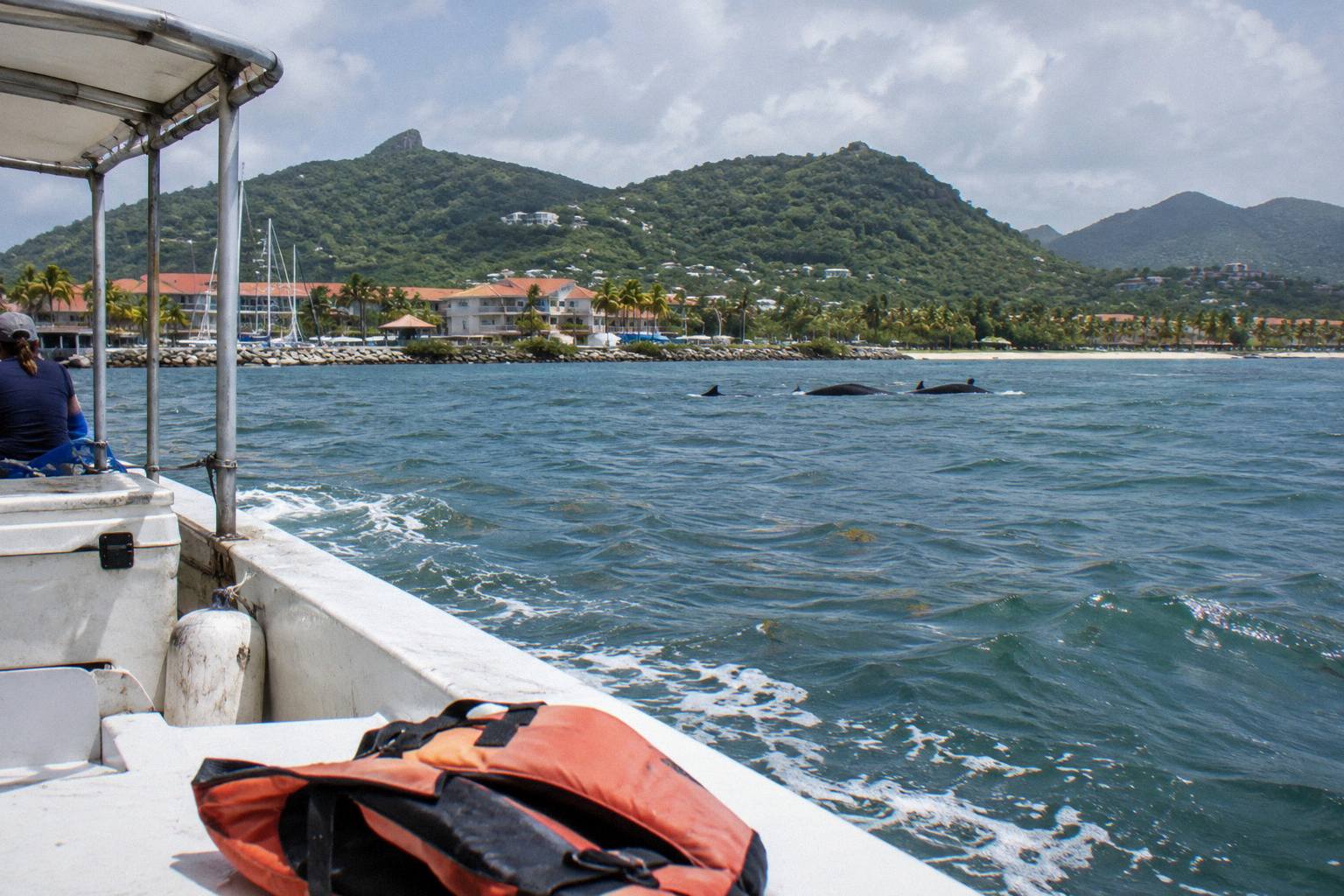
The cancellation question is fair game on both trips here, and the answers differ slightly. The shared cruise offers free cancellation up to 24 hours before departure with instant confirmation. The private safari also offers free cancellation up to 24 hours before and is cancelled free for bad weather, but confirmation is not instant, the operator confirms the booking. Neither has any rebook-if-no-sighting policy, and no honest listing implies one: sightings depend on weather, season and the animals' movements, and are never guaranteed.
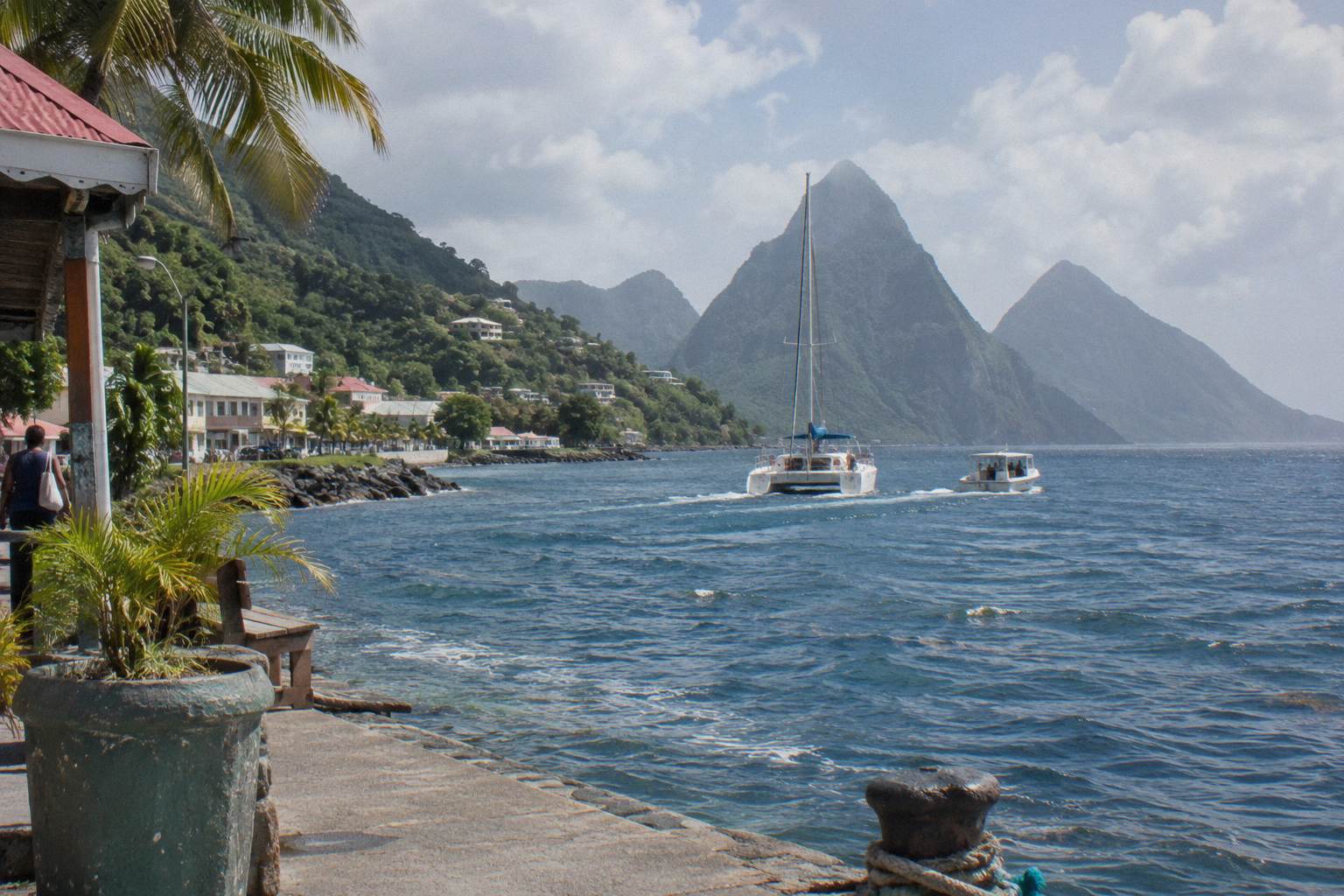
The guide question matters because the person talking on the outbound leg is your evidence. Ask what species are likely on the day, and listen for chances rather than promises: year-round dolphins and pilot whales, sperm whales occasionally in deeper water, humpbacks only in the February to April window. An operator who talks in those terms is aligned with the official guidance; one who talks in certainties is telling you something else about themselves. The tourism board's own whale and dolphin watching guidance is the reference against which to check.
Timing questions are practical ethics. The shared cruise departs in the morning, and the official trip pattern for the island is morning departures lasting three to four hours. The private safari's start time is arranged with the operator, which lets you ask directly for a slot that fits calmer conditions. Cruise passengers have an extra question: check the ship's all-aboard time and ask the operator about timing, since the private safari includes pier pick-up and drop-off while the shared cruise departs Vigie Marina, a short distance from the Pointe Seraphine cruise terminal with taxis readily available.
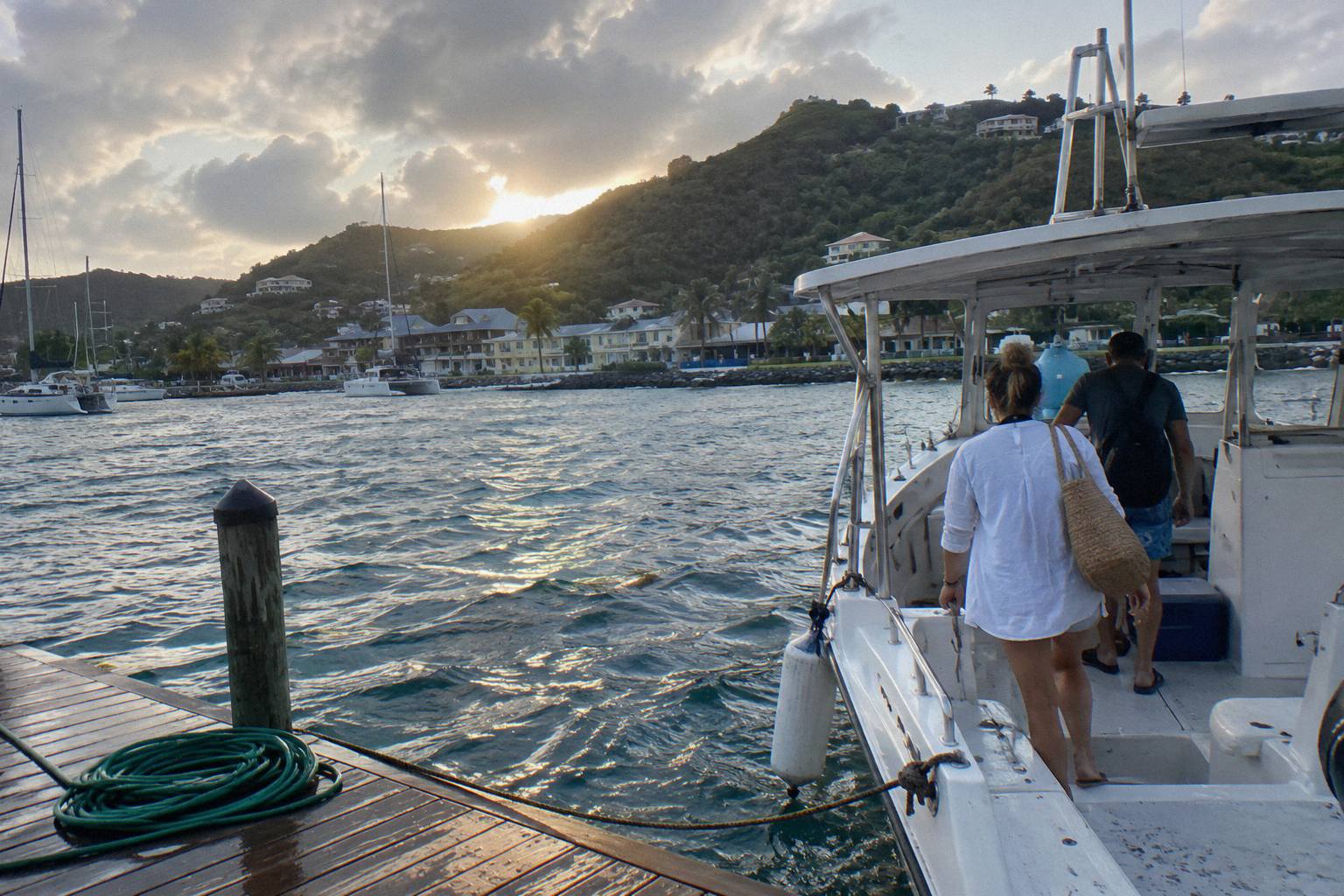
Ask about the boat if anyone in your group is prone to motion sickness; boat size is a fair question to put to the operator, and knowing it shapes expectations. Bring sun protection, a hat, a light layer for spray and a camera. And if you are travelling with children, ask when booking about ages and life jackets; children travel with an adult, and the operator confirms the specifics.
Finally, ask what happens if no whales appear. The honest answer, on any trip anywhere, is that the sea decides. The month-by-month planning detail in the best time to see whales in Saint Lucia helps you stack the odds, but the ethical operator is the one who never pretends the odds are a promise.
Common Mistakes Guests Make Around Animals
The common mistakes are asking the crew to get closer, reaching out to touch or feed a dolphin, shouting near animals, throwing anything overboard, treating a sighting as owed, and booking operators who promise guarantees. Each one is avoidable with a minute of forethought, and none of them requires expert knowledge, only a little restraint at exactly the moments restraint is hardest.
The first mistake is the request for proximity. It feels harmless, one boat, a little closer, but it puts the guidelines in the hands of the most excited person aboard. The second is contact: a dolphin surfacing beside the hull is not issuing an invitation, and food tossed from a deck trains wild animals to approach boats, which ends badly for them. The third is noise, which guests control completely and often forget. The fourth is litter, including biodegradable scraps, which should never go overboard near animals.
The fifth mistake is entitlement. A trip that shows dolphins and pilot whales but no sperm whales has not failed; the sea owes nobody a whale. Groups who understand that every sighting is a chance tend to enjoy the trip more, not less, because nothing that appears is taken for granted. The sixth mistake happens before the boat leaves the dock: choosing an operator on the strength of a sighting guarantee, which no honest Saint Lucia listing makes, since operator sighting claims conflict and none can be promised.
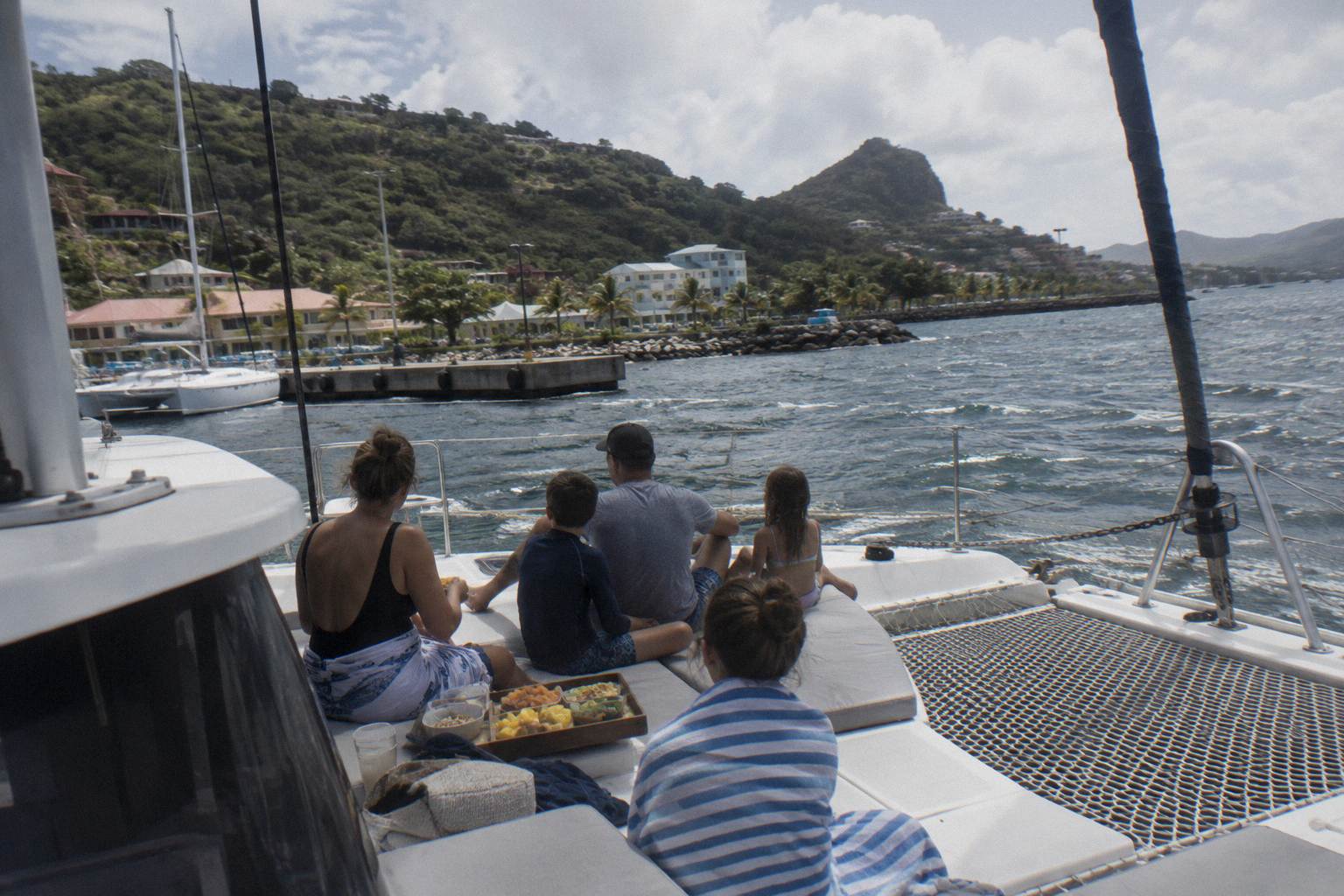
One honest closing thought. Whale watching in Saint Lucia, done by the book, is one of the few ways a visitor's money directly values living animals in the water they live in, and the official practices described above are the "by the book". If you want to see how the wider Eastern Caribbean sperm whale population is studied, the Dominica Sperm Whale Project's work is the place to look. Then pick your trip, mind your conduct, and let the animals decide the rest.
Common Questions About Boats And Whales
Are Whales Disturbed By Boats During Whale Watching Cruises?
They can be, which is why licensed operators in Saint Lucia follow regulated distance guidelines, limit time near animals, approach slowly, never chase, and never touch or feed anything. Conduct, not the existence of the trip, determines the impact.
Is There A Legal Distance Boats Must Keep From Whales In Saint Lucia?
Licensed operators follow regulated distance guidelines, but no specific distance in metres is published for Saint Lucia. What you can observe is behaviour: slow approach, steady course, a short stay, and room for the animals to move on.
Can You Swim With Whales Or Dolphins In Saint Lucia?
No. Swimming with whales or dolphins is not offered on either trip covered here, and no responsible operator suggests it. Watching happens from the boat.
Do The Shared And Private Trips Follow Different Rules?
No. The same responsible-viewing practices apply to both the shared cruise and the private safari. The private format can mean fewer boats around the same animals, but the standard of conduct is identical.
What Should Guests Not Do Around Whales And Dolphins?
Do not touch or feed any animal, do not ask the crew to get closer, keep noise down near animals, and throw nothing overboard. Follow the crew's briefing and let them set the pace of every encounter.
Are Sightings Guaranteed If The Boat Behaves Responsibly?
No sighting is ever guaranteed. Dolphins and pilot whales can be seen year-round, sperm whales are occasionally sighted in deeper waters, and humpbacks pass through from about February to April, but every encounter depends on weather, season and the animals' own movements.