Is A Whale And Dolphin Cruise In Saint Lucia Suitable For Young Children?
A parent-focused guide to taking young children on a whale and dolphin cruise in Saint Lucia: ages, trip length, what is included, what to pack, and what a family pays.
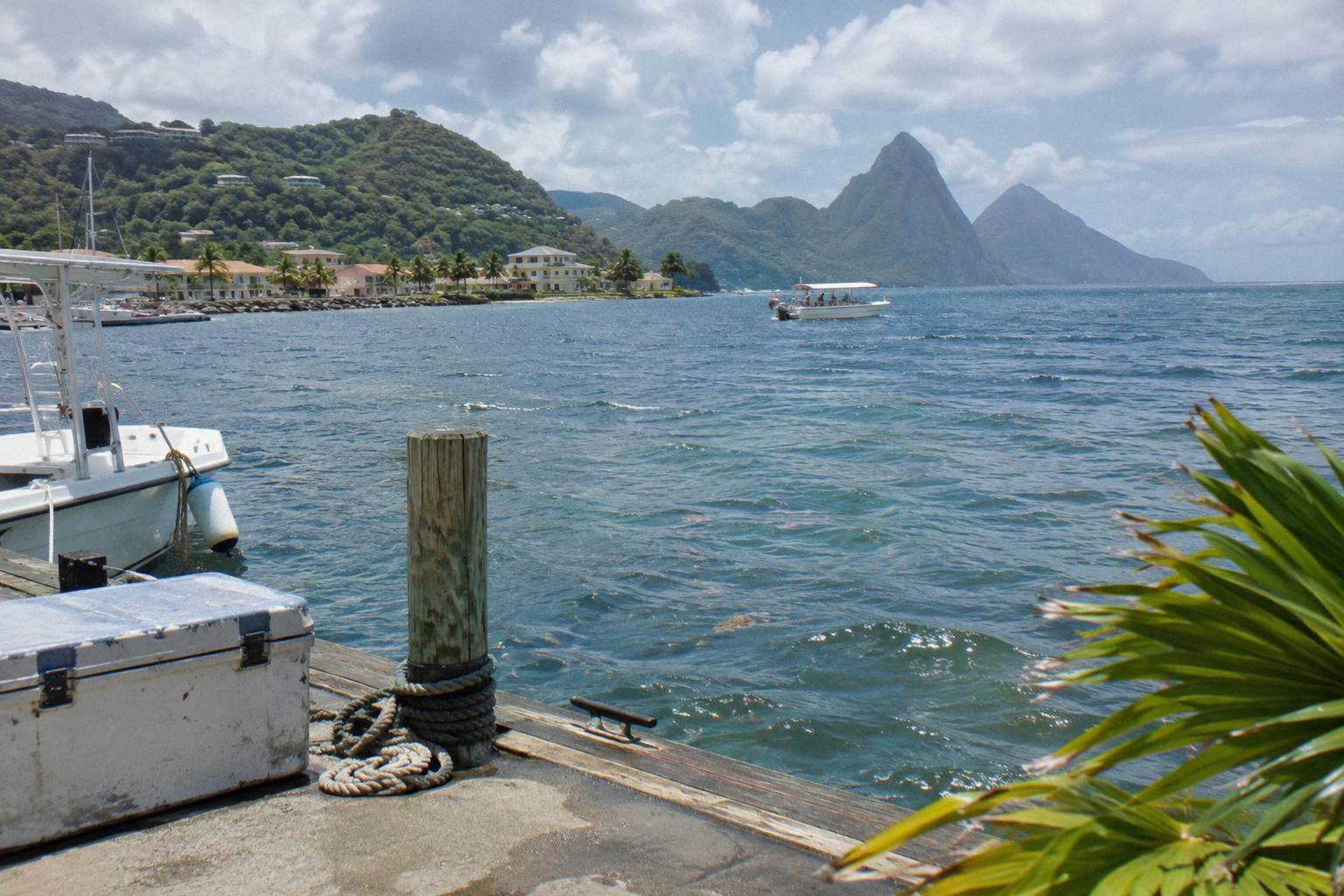
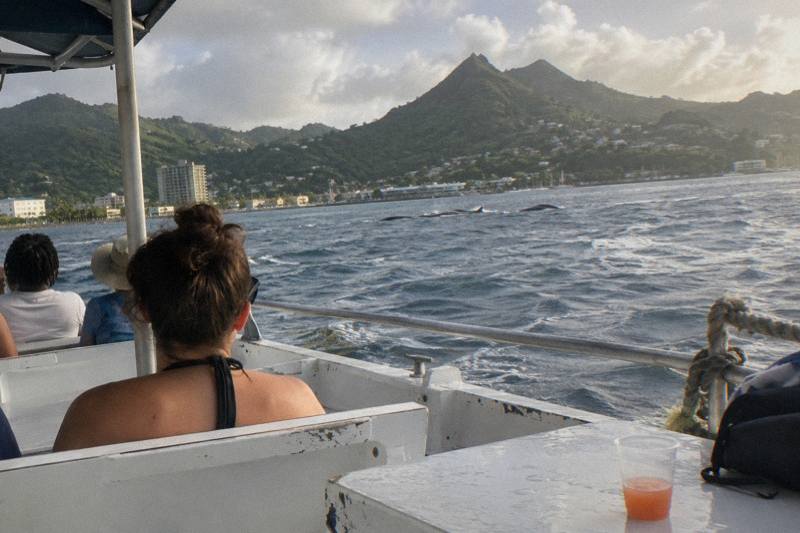
Yes, young children can join, since no minimum age appears in the published terms for either Saint Lucia trip; they simply travel with an adult, and the operator confirms ages at booking. The shared cruise lasts about 3.5 hours on a 60 ft boat from Vigie Marina, while the private safari runs about 4 hours on a 50 ft catamaran with up to 40 guests, both including drinks and free cancellation up to 24 hours before departure.
That is the honest framework, and it is worth setting out plainly before the details. Saint Lucia's whale and dolphin trips are not marketed specifically at toddlers, but nothing about them excludes families either. The tourist board describes watching trips as a standard morning activity out of the north-west, lasting about three to four hours, following the Caribbean coast where deep water lies close to shore. A child who can handle a half-day boat trip can handle this.
The real decision for a parent is not permission, it is fit. Three and a half hours is a long time for a four-year-old who has never been on a boat, and short for a ten-year-old who reads the ocean like a picture book. Dolphins are frequently sighted year-round, and pilot whale pods can sometimes be seen through the year, which helps: the animals most likely to appear are the ones children find easiest to spot and most exciting to watch. Humpback whales pass through between about February and April, and May to November they are unlikely, so timing shapes what your child will see.
Sightings are always chances, never promises. Any sighting depends on weather, season and the animals' own movements, and no operator on this roster offers a rebook-if-nothing-appears policy. That matters for children more than for adults, because a child who is told "we will see whales" has been set up for disappointment on a quiet morning. Tell them dolphins are likely, whales are possible, and the boat ride itself is part of the trip. The family guide to a whale and dolphin cruise in Saint Lucia covers this framing in more depth.
What follows works through the questions a parent actually asks in order: the age question, the length question, what is included, which trip suits a family, what to pack, what it costs a family of a given size, and the booking mistakes that catch parents out. Every figure here comes from the operators' published listings, and where something is not stated, it says so rather than guessing.
What Do You Need To Ask About Age?
You need to ask the operator directly, because no minimum age is printed on either listing. Neither the shared cruise nor the private safari publishes an age floor, and sources on the subject conflict. Children travel with an adult on both trips, and the booking conversation is where you confirm that your child's age is fine. Nothing in the published terms asks for a child's age at checkout.
This is one of those details that looks like an oversight and is really just how small-boat tourism works. The operators run a custom 60 ft boat and a 50 ft catamaran respectively, carry mixed groups, and treat suitability as a conversation rather than a rule. That gives parents flexibility, but it also puts the responsibility on you to ask. When you book, message the operator with your children's ages and any concerns, and ask two practical things: whether the boat suits a small child, and whether the departure timing works for your family's routine. Neither listing prints a clock time; the shared cruise departs in the morning, and the private safari's start time is arranged with the operator, which is genuinely useful when you are working around naps.
The morning departure is quietly one of the best features for families with young children. Kids are usually at their freshest before lunch, the sea is often at its calmest early, and the trip is over by early afternoon, leaving the rest of the day for the pool. The official guidance says trips usually leave in the morning from the north-west and last about three to four hours, and both of these trips follow that pattern from Vigie Marina in Castries.
Life jackets and safety briefings are part of regulated operations here. Licensed operators follow regulated distance guidelines around animals, limit time near them, provide life jackets and monitor sea conditions, and a responsible operator will brief children as carefully as adults. Ask when booking what child-size life jackets are carried if yours is very small; that is a fair, specific question and exactly the kind the operator can answer.
The one thing not to do is infer an age from the price. The shared cruise is priced from US$65 per person with no published child rate, and the private safari is priced per boat, not per person, so no per-head child pricing exists there either. Whether a two-year-old pays, travels free, or sits on a lap is a booking question, not a published fact. Ask it before you pay and get the answer in writing.
If you are weighing this trip against other island activities for a mixed-age family, the question of whether the whale and dolphin excursion is worth it is covered separately.
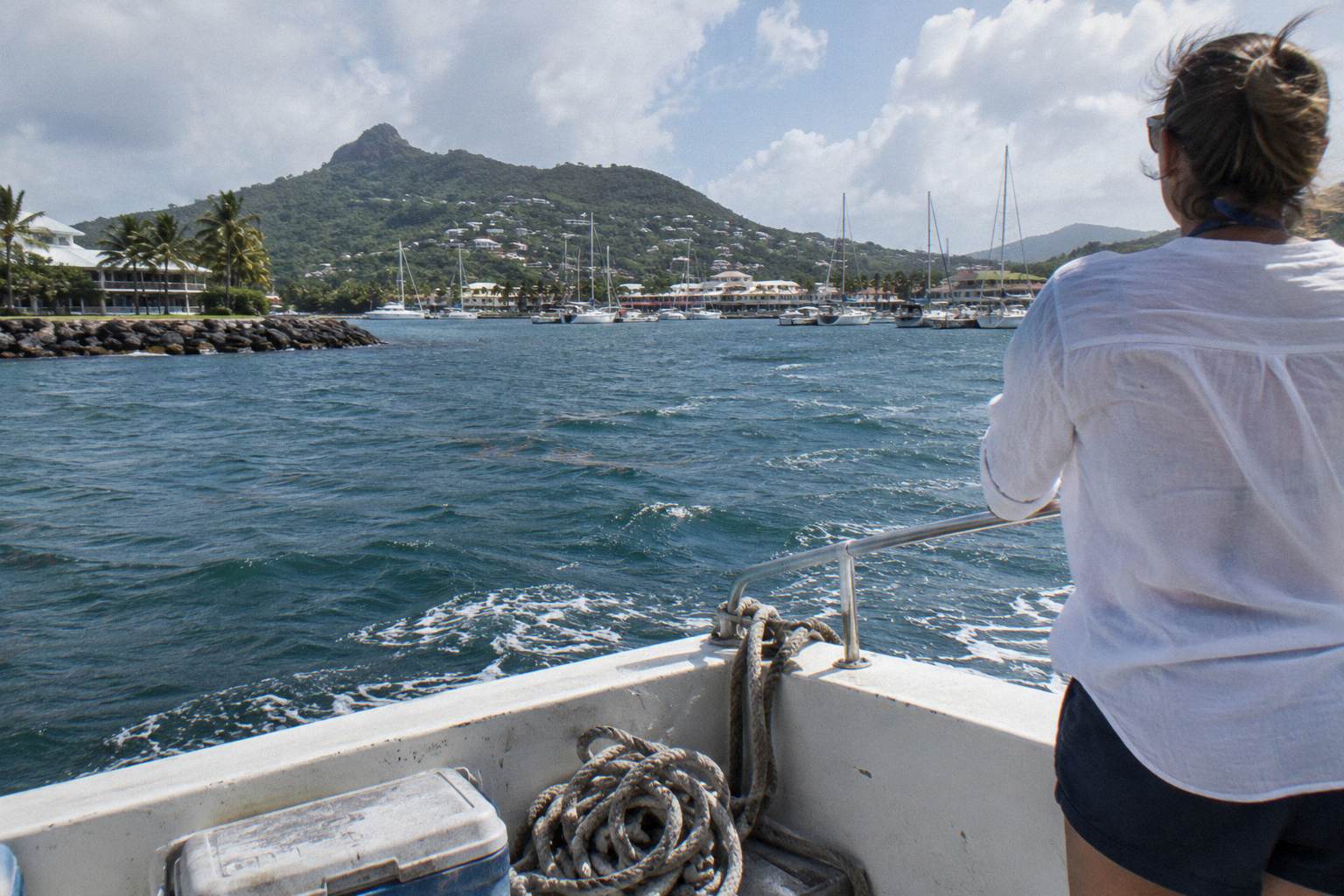
How Long Is The Trip?
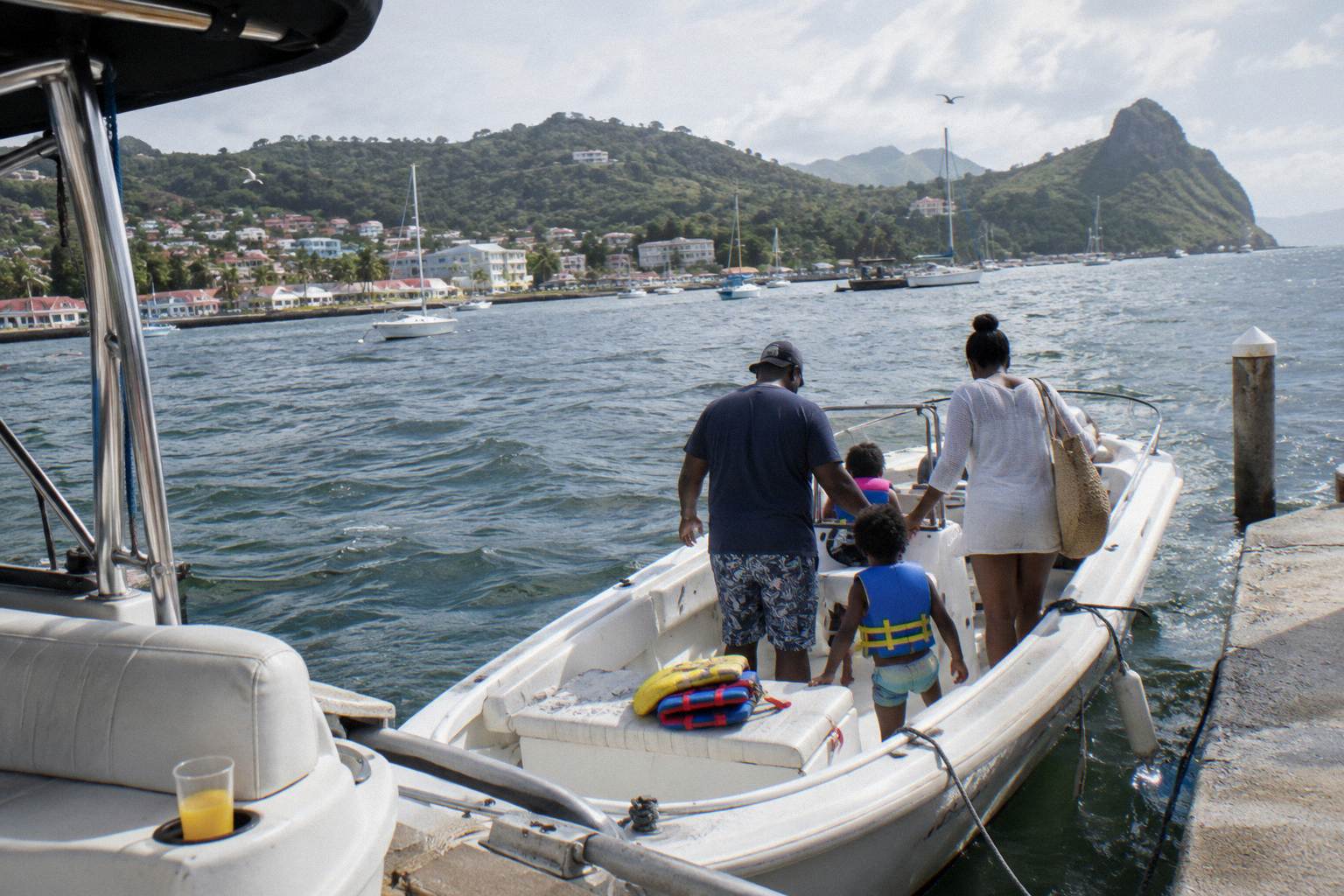
The shared Whale And Dolphin Watching Cruise lasts about 3.5 hours on the water; the private safari lasts about 4 hours. Both figures are before you get to the marina, and both trips depart from Vigie Marina in Castries. Morning departure means the shared trip is typically done by early afternoon, which suits most children's energy levels better than a midday or sunset sail.
Trip length is the single most honest test of whether a young child is ready. Just under four hours is: a snack, a drink, a stretch of scanning the water, a dolphin encounter if the morning is kind, and a ride home. It is not: an open-ended day at sea. Parents who have done boat trips with small children know the arithmetic, so it is worth being concrete about what fills the time.
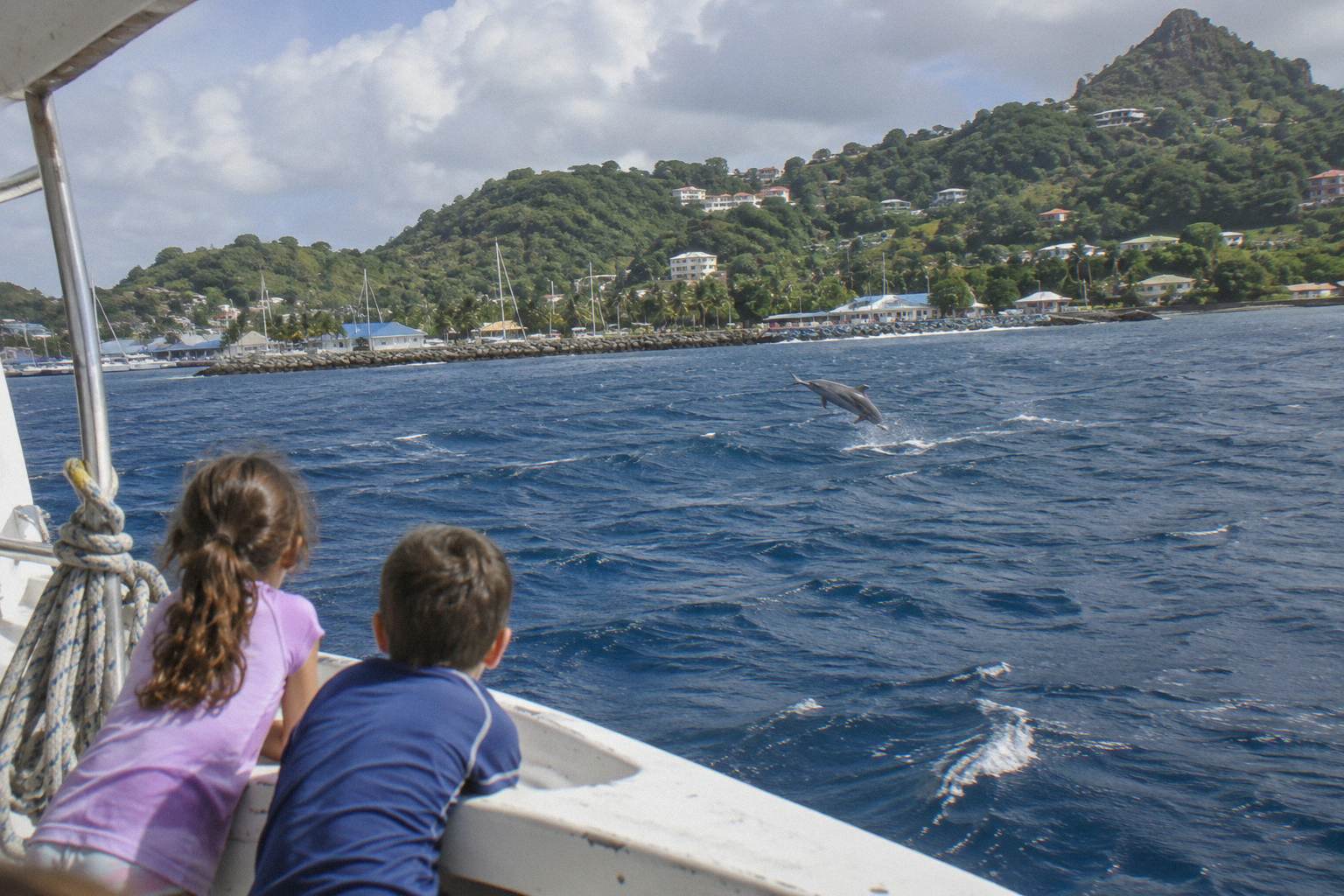
Both boats follow the Caribbean coast, and the reason is biological. Deep water lies close to Saint Lucia's west coast, so animals can be seen not far off shore, and the boats do not have to run hours out to a distant ground. For a child, that translates into less monotony between sightings: the island stays in view, the coast changes shape, and the marine expert on the shared cruise, or the guide on the private safari, is there to narrate what the boat is seeing. Spinner dolphins are frequently sighted year-round and often ride the bow wave, which is the moment children remember.
The half-hour difference between the two trips matters less than the difference in boat and group. The shared cruise is a custom 60 ft boat with a mixed group whose size is not published; the private safari is a 50 ft catamaran private to your group, up to 40 guests, with the start time arranged with the operator. On a private charter you can, within the operator's plan, pace the trip around your own children rather than around a shared timetable. On the shared cruise, the group's rhythm sets the pace, and a marine expert keeps everyone engaged.
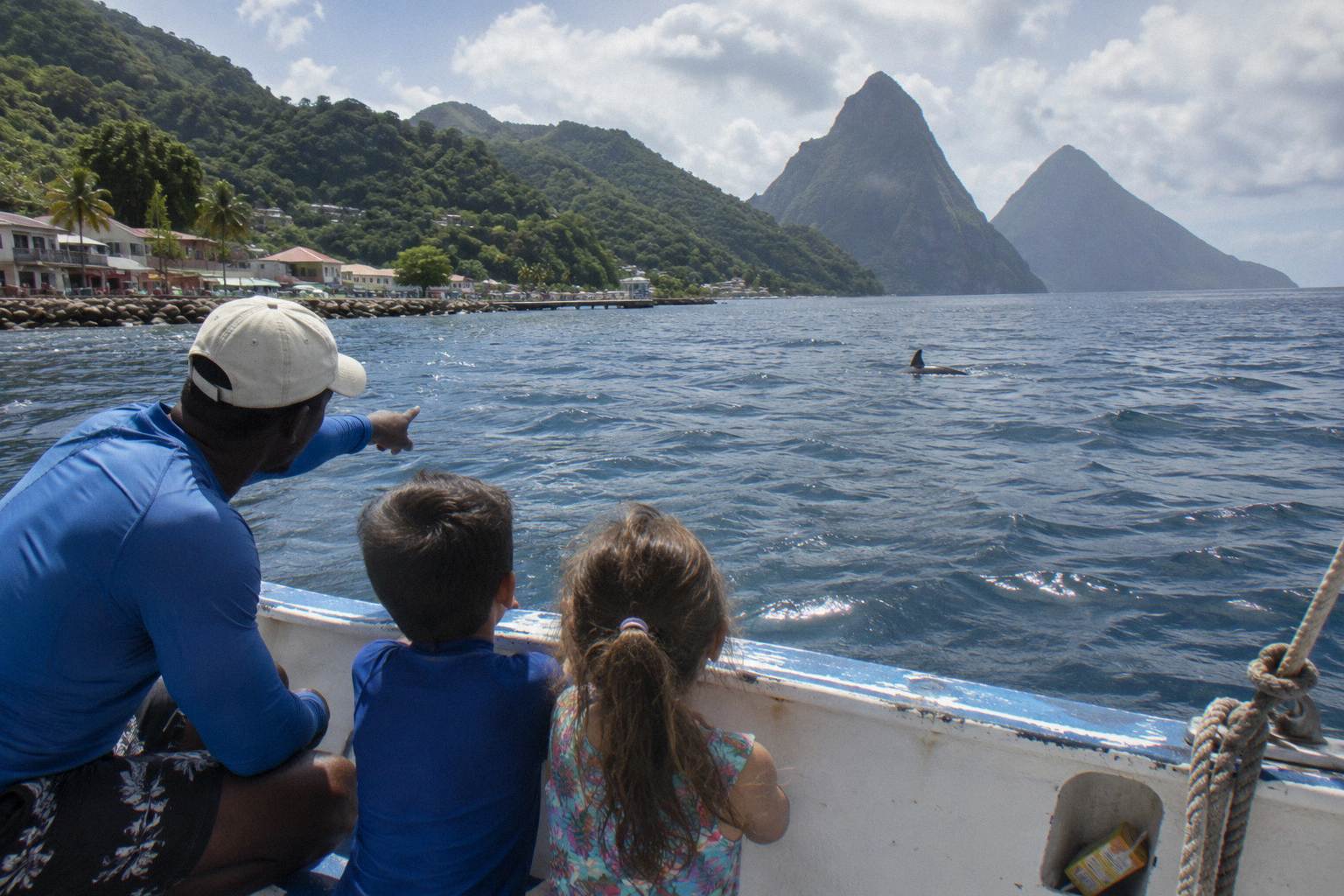
Cruise ship families should do one extra piece of arithmetic: the trip length is about 3.5 or 4 hours on the water, before transfer time to and from the marina. Check your ship's all-aboard time and ask the operator about timing before booking; the private safari includes cruise ship pier pick-up and drop-off, while the shared cruise does not include any pick-up and departs a short distance from the Pointe Seraphine cruise terminal where taxis are readily available. The question of fitting a whale cruise between ship arrival and departure gets its own treatment.
Both tours allow free cancellation up to 24 hours before departure on the booking path, and the private safari is also cancelled free for bad weather. The shared cruise's operator says that if the captain cancels for unsafe weather, there is an alternative date or a refund.
What Is Included For Children?
On the shared cruise, bottled water, soft drinks and rum punch are included, plus a local marine expert aboard; gratuities and hotel pick-up are not. On the private safari, a guide comes with soft drinks, coffee, tea, water, light snacks, rum punch and local fruit, plus cruise ship pier pick-up and drop-off; gratuities and hotel transfers are not included. Food on the private trip is light snacks and fruit, not a meal.
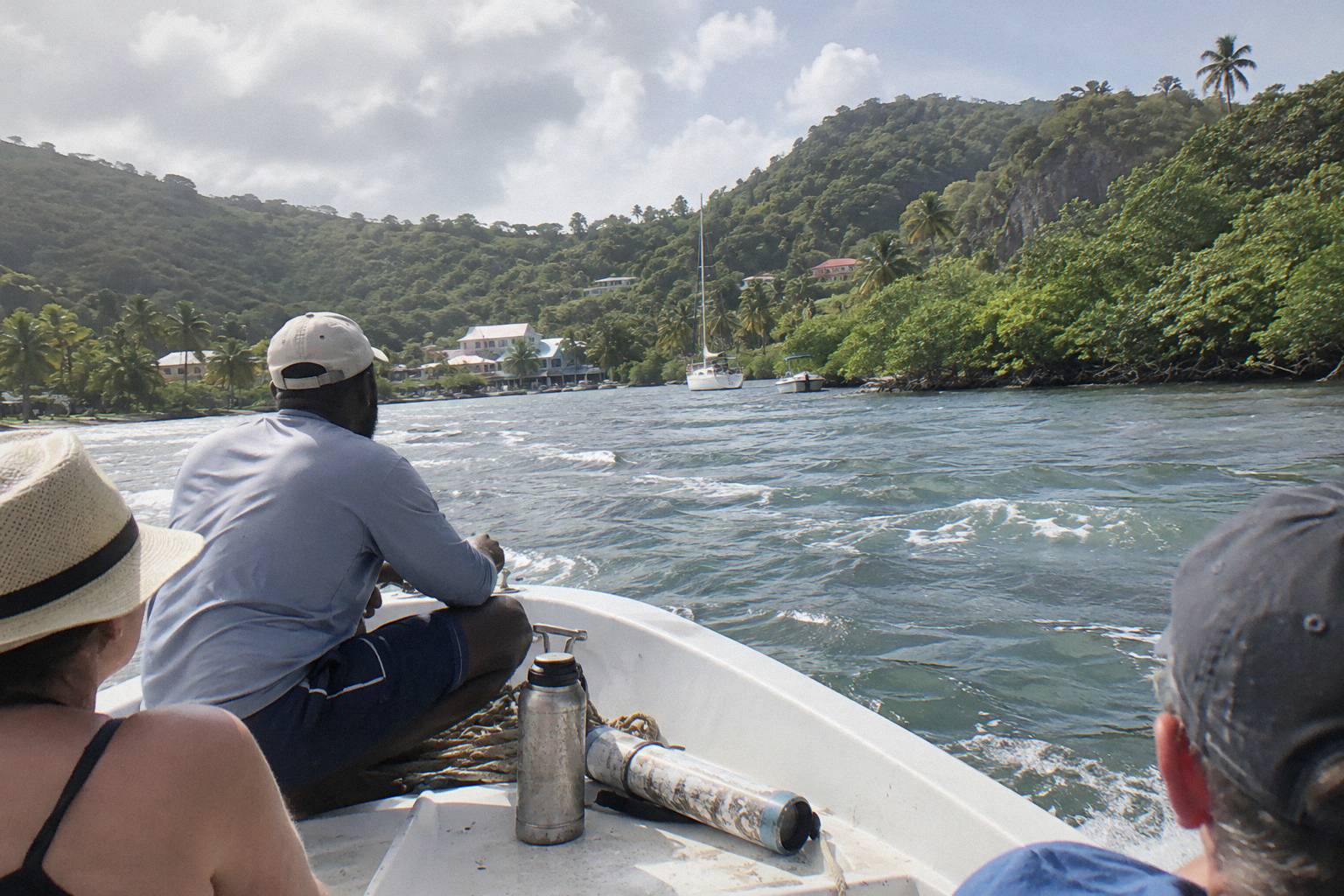
Read that list the way a parent reads a list. Drinks are covered on both trips, and the soft drinks matter more than the rum punch when your passengers are eight. But neither trip is a lunch cruise: the shared cruise includes no food at all, and the private safari's snacks and fruit will not carry a hungry child through four hours. Pack real food, and pack more of it than you think you need, because a boat makes children hungry in a way a living room does not.
The human inclusion is the one parents underestimate. A local marine expert on a shared boat, or a dedicated guide on a private charter, is the difference between a slow ride and a moving classroom. Children ask relentless questions on boats: what is that bird, why is the water two colours, how deep is it here. On a trip where the named species include sperm whales, pilot whales, spinner, spotted and Fraser's dolphins, and humpbacks in season, having someone aboard whose job is to answer is worth as much as any sighting.
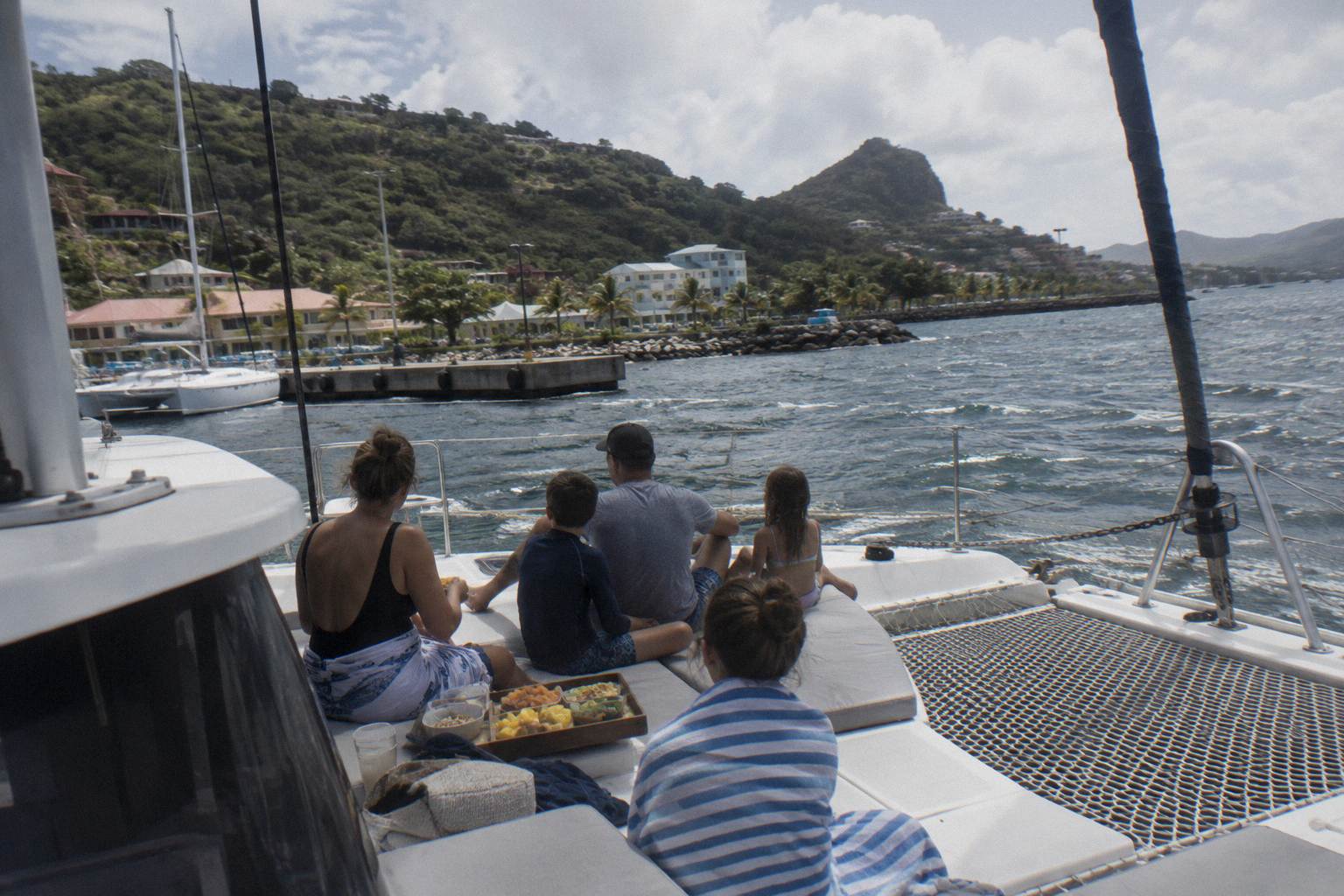
What is not included is just as important to plan around. Gratuities are extra on both trips, so carry cash for the crew; US dollars are widely accepted in Saint Lucia, with the Eastern Caribbean dollar fixed at EC$2.70 to US$1, and change often comes back in EC$. Neither trip includes hotel pick-up or drop-off, so getting to Vigie Marina is your arrangement. The marina sits in Castries Harbour beside the island's airport and a short distance from the Pointe Seraphine cruise terminal, with taxis readily available.
One inclusion on the private safari deserves a flag for families arriving by ship: cruise ship pier pick-up and drop-off are part of the package, which removes the tightest link in a port-day plan. On the shared cruise, that transfer is on you. Neither operator offers swimming with whales or dolphins, and neither should; responsible viewing here means slow approach, no chasing, no touching or feeding, and space for the animals to move on.
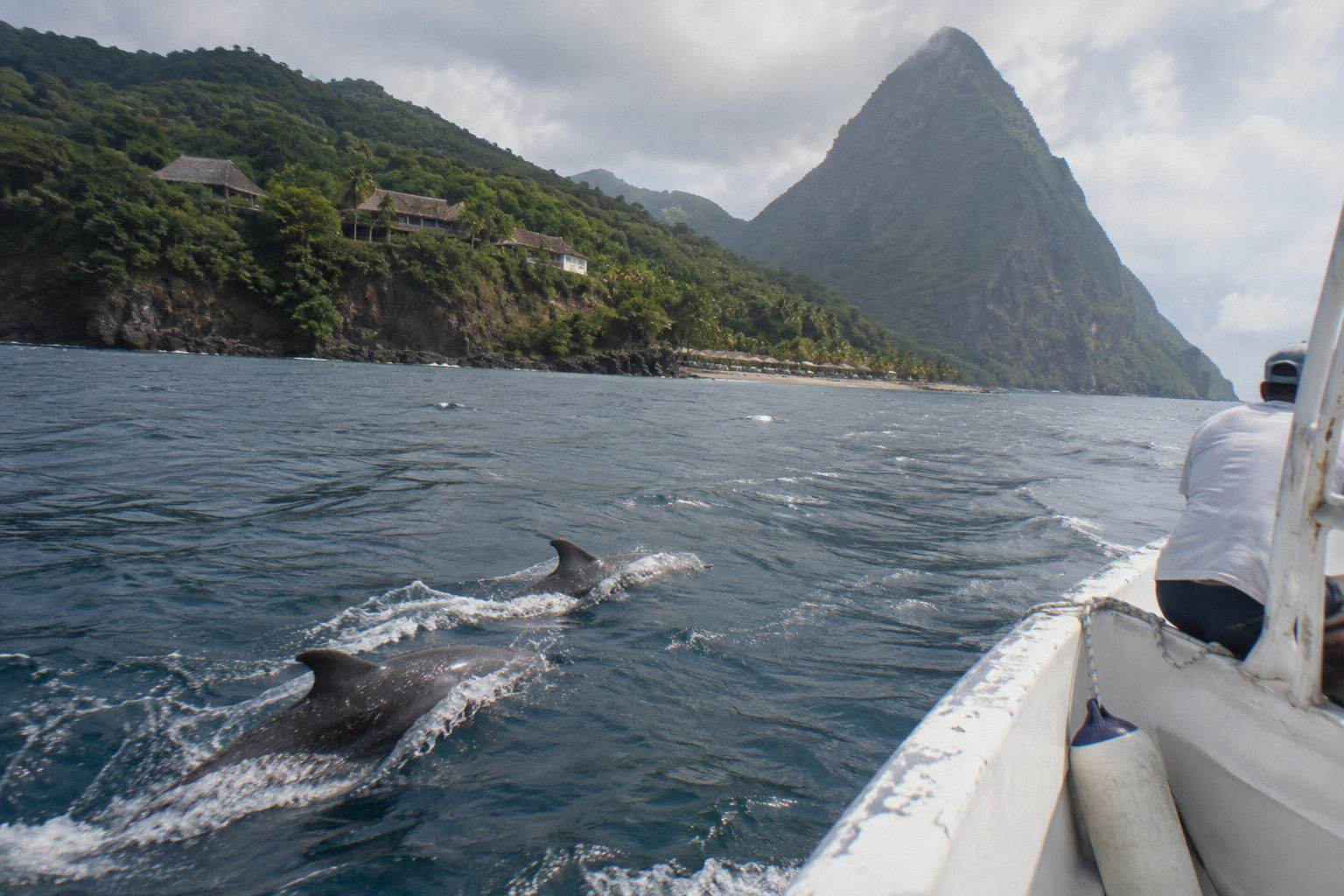
Which Trip Suits A Family?
For most families with young children, the shared Whale And Dolphin Watching Cruise is the sensible first choice: about 3.5 hours, from US$65 per person, 4.5 from 200 reviews, with a marine expert and drinks aboard. The private safari, from US$2,550.65 per boat and 4.5 from 75 reviews, suits larger family groups, up to 40 guests, who want the boat to themselves and the timing arranged around them.
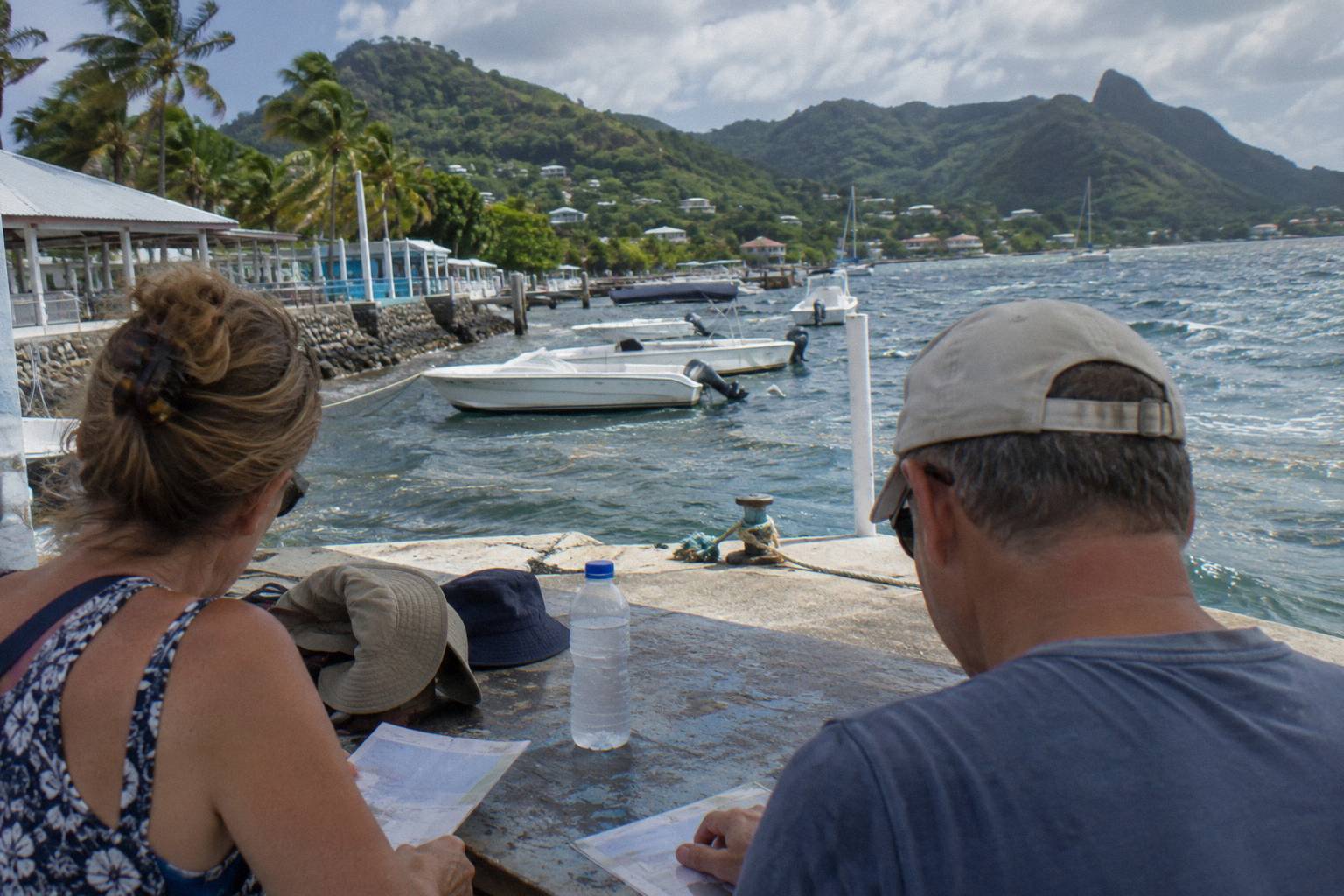
Start with the shared cruise, because it is the lower-commitment way to find out whether your child is a boat child. If the answer is no, you have spent per-person money rather than charter money, and free cancellation up to 24 hours before departure on the booking path gives you an out if the forecast or a fever changes the plan. The morning departure, the 60 ft custom boat, and a marine expert who talks to children rather than over them make it an easy trip to manage, and 200 reviews at 4.5 is a body of opinion you can lean on.
The private safari answers a different question. It is priced per boat, never per person, which means its value scales with your headcount: for illustration, not a quote, US$2,550.65 shared by 4 guests is about US$637.66 each; by 6 about US$425.11; by 8 about US$318.83; by 12 about US$212.55. A multigenerational group of twelve is buying a different product from a couple with one toddler. You also get a 50 ft catamaran to yourselves, a start time arranged with the operator, which is worth a great deal when small children set the schedule, and cruise pier transfers included.
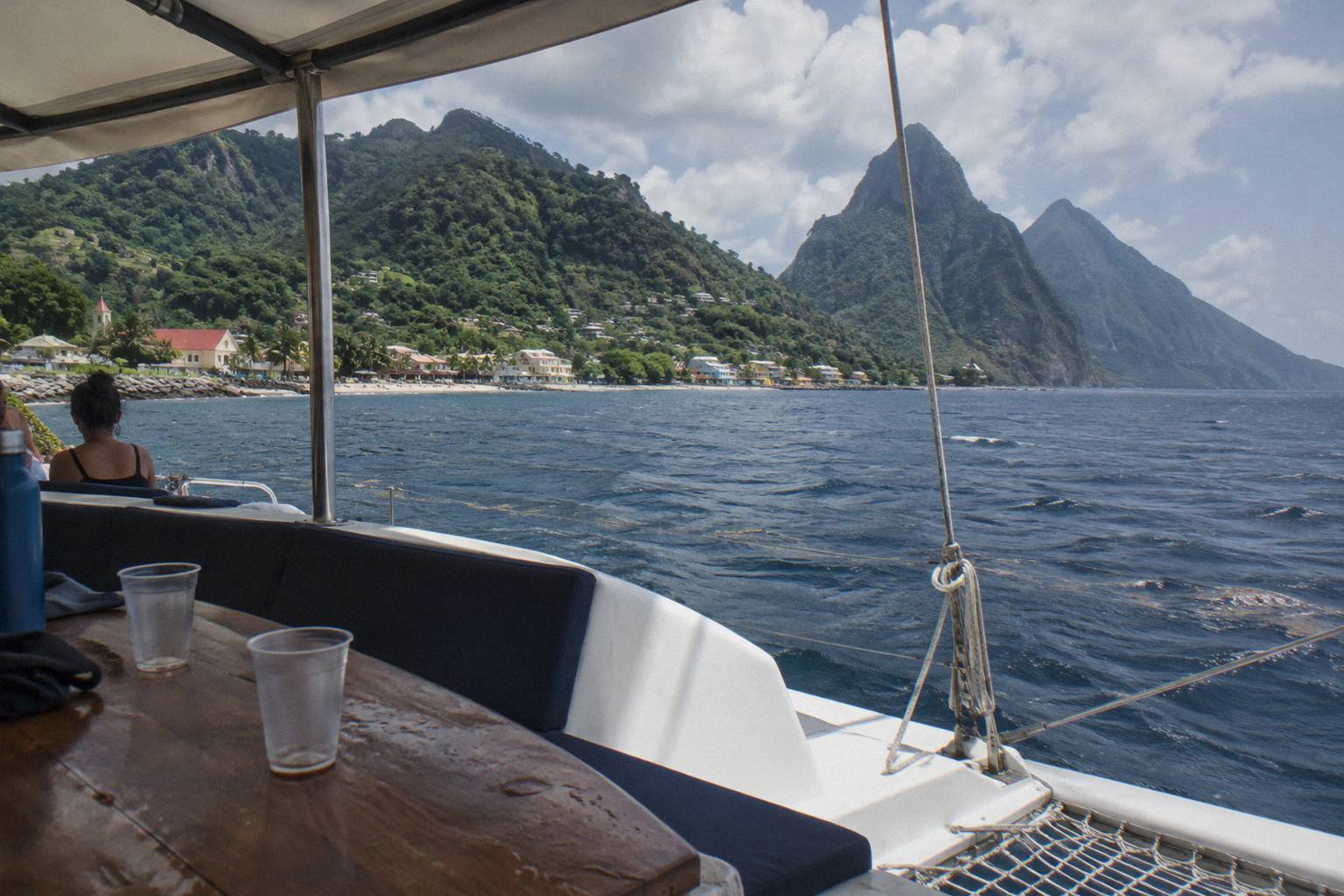
Confirmation differs in a way parents should note. The shared cruise confirms instantly, which is reassuring when you book the night before. The private safari does not confirm instantly; the operator confirms, so build in that exchange when planning a port day. The operator says it has run since 1953 and is World Cetacean Alliance certified, its own statement, and one that speaks to a family business used to carrying families.
| Question to ask | Shared Whale And Dolphin Watching Cruise | Private Whale And Dolphin Safari |
|---|---|---|
| Length | About 3.5 hours | About 4 hours |
| Price basis | From US$65 per person | From US$2,550.65 per boat |
| Boat | Custom 60 ft boat | 50 ft catamaran |
| Group | Shared, size not published | Private, up to 40 guests |
| Start time | Morning departure | Arranged with the operator |
| Cancellation | Free up to 24 hours before | Free up to 24 hours before, and for bad weather |
| Confirmation | Instant | Operator confirms |
Neither trip is ranked against the other here; they solve different family problems. The full comparison, including the seasickness angle, sits in the guide to choosing between a shared whale cruise and a private charter, and if motion sickness is a family concern, whether you will get seasick on a Saint Lucia whale cruise is the piece to read next.
What Should You Pack?
Pack sun protection, a hat, a light layer for spray, and a camera, per the official guidance, plus your own food and any drinks your children insist on. Add cash for gratuities, since tips are not included on either trip, and ask about boat size when booking if anyone is prone to motion sickness. Neither trip includes hotel pick-up, so plan your transfer to Vigie Marina too.
The official packing list is short because the trip is short, and because Castries sits in the tropics, where the sun does the real work. Sun protection is not a suggestion at sea: the Caribbean sun reflects off the water and hits children from angles a land-based day never produces. A hat that will survive wind, reapplication of sunscreen on schedule, and a light layer for spray cover the official advice, and a light layer doubles as warmth when the boat runs between sightings.
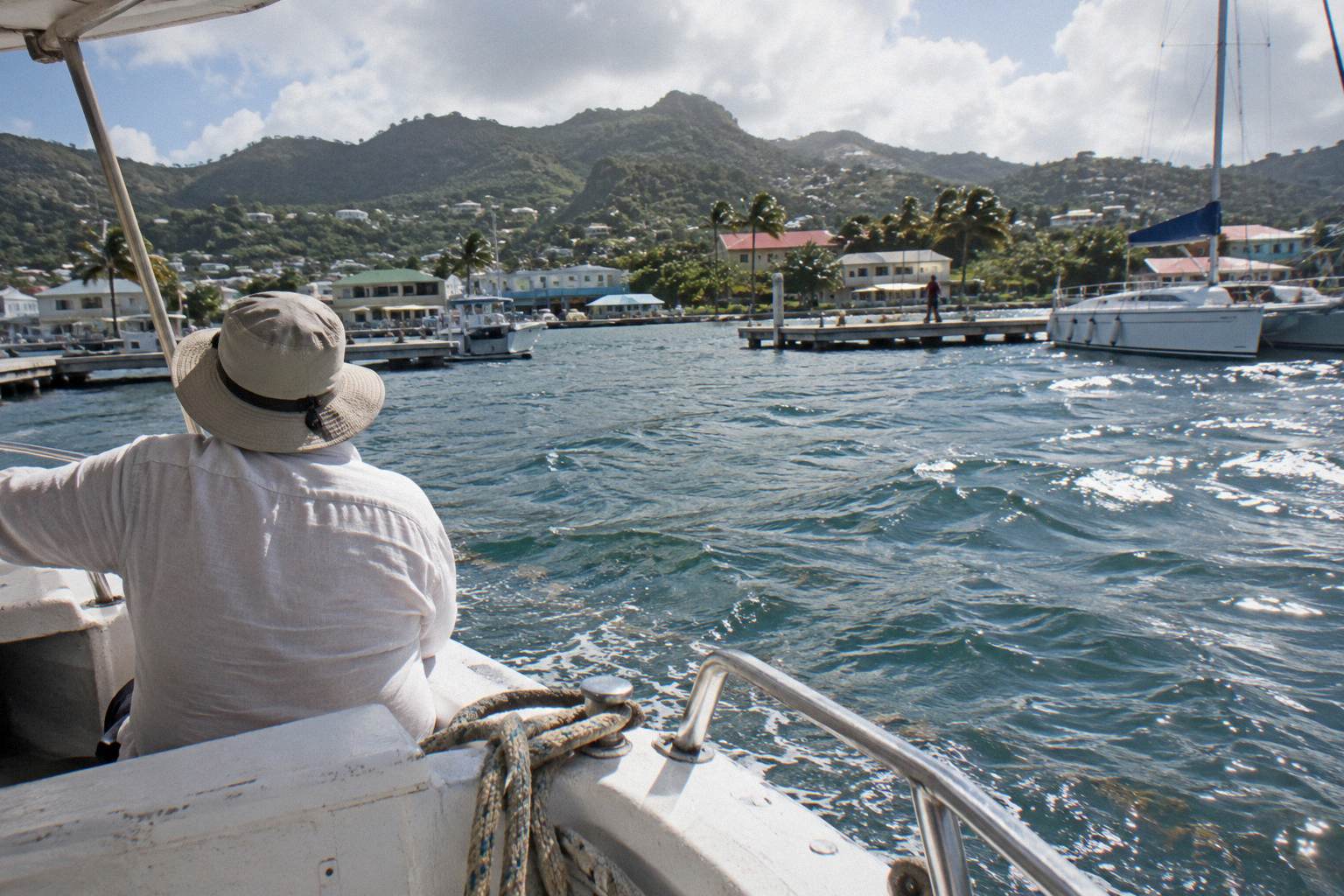
Food is the parent's addition, and it is the important one. Neither listing includes a meal, and the private safari's light snacks and fruit are a supplement, not a lunch. Treat it like a long hike: real food, familiar food, more water than seems reasonable, and something for the ride back when the excitement has drained. Children who are fed are children who enjoy slow stretches of empty ocean, and every trip has slow stretches.
| Item | Why it earns its place |
|---|---|
| Sun protection and hat | Official advice; sun reflects off the water at children's height |
| Light layer | Official advice for spray; doubles as warmth after swimming is not on offer |
| Camera | Official advice; dolphins can appear quickly |
| Food and extra water | No meal included on either trip; snacks only on the private safari |
| Cash for gratuities | Tips not included on either trip |
| Motion sickness question | Ask the operator about boat size if anyone is prone to it |
A few things need no packing but do need planning. Ask about the boat when booking if motion sickness runs in the family; the shared cruise runs a custom 60 ft boat and the safari a 50 ft catamaran, and the operator can tell you what the day's conditions mean for your group. Check the sea state expectations honestly: seas are typically calmer from December to May, which is a planning fact, not a promise about any given morning. And the question of what to bring on a whale and dolphin cruise has a fuller treatment of its own.
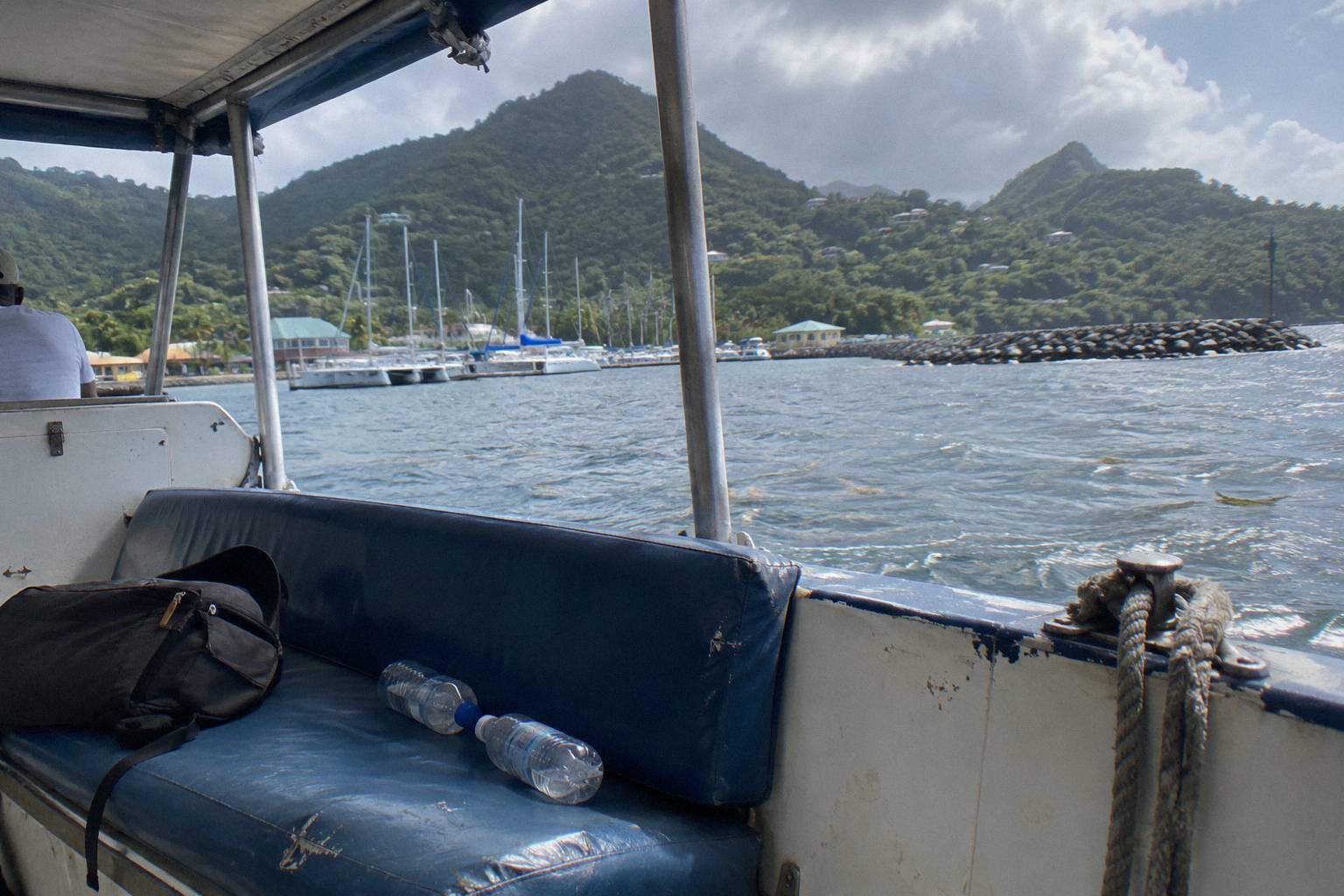
One non-item: leave any expectation of swimming behind. Swimming with whales or dolphins is not offered on either tour, and children should know before boarding that this is a watching trip, not a water park. What they get instead is the genuine article: wild animals, at regulated distances, behaving as they choose.
What Does It Cost A Family?
A family of four pays from US$260 on the shared cruise, since that trip is priced from US$65 per person, while the same four on the private safari pay from US$2,550.65 total, because that rate covers the whole boat rather than each guest. For illustration only, not a quote: the charter split by 4 guests works out to roughly US$637.66 each, or about US$318.83 each with 8.
Family pricing on these two trips is a study in how the same activity can be priced two ways. The shared cruise is per person, so its cost scales with headcount in the obvious way: the shared cruise at US$65 per person is US$130 for 2, US$260 for 4, US$390 for 6. A couple with two children is buying a morning on the water for roughly the price of a resort breakfast for four, and that simplicity is why most families start here. Add gratuities, which are not included, and your transfer to Vigie Marina, which is also not included.
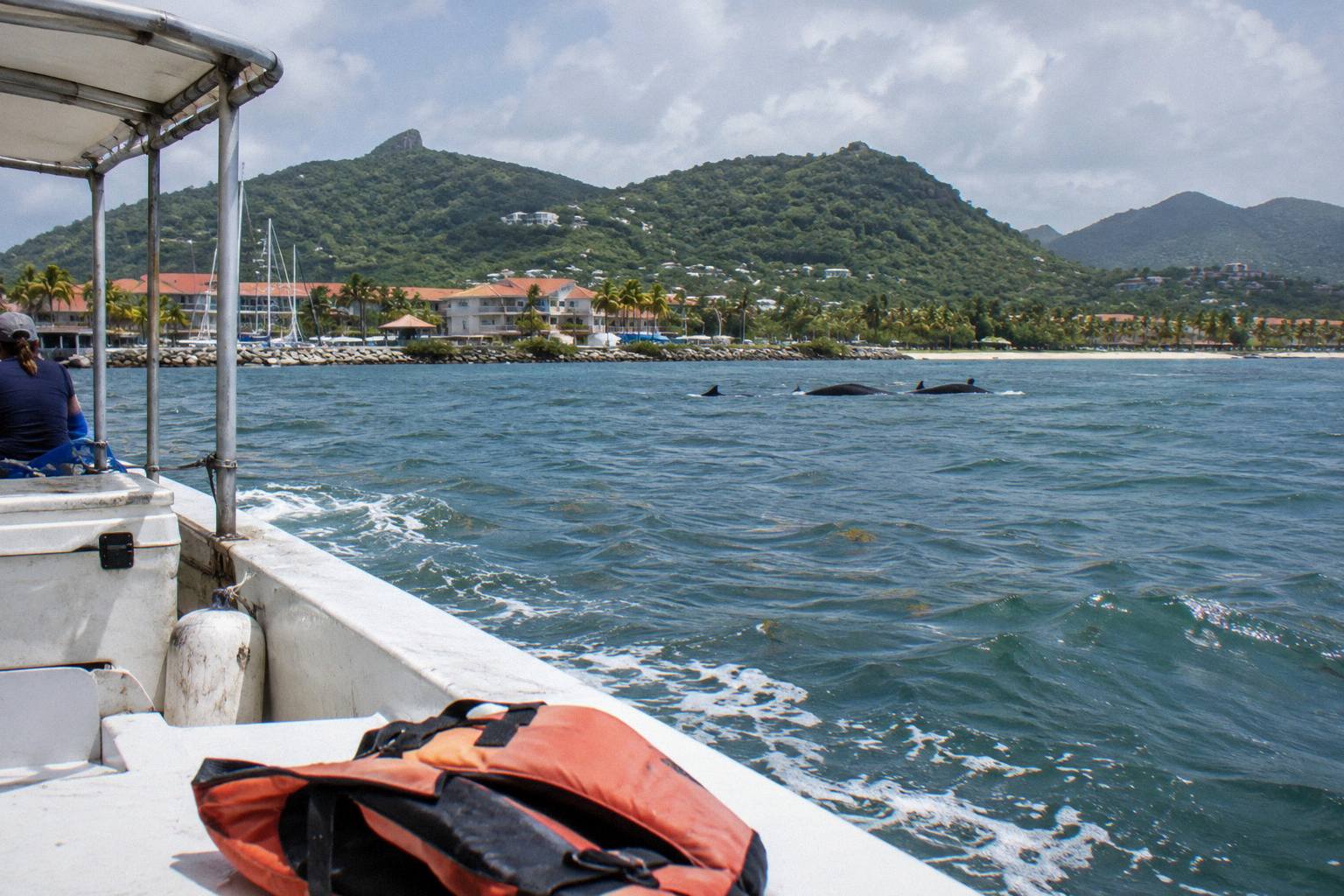
The private safari is priced per boat, so its per-head cost falls as your group grows, in the pattern shown above: about US$637.66 each for four, about US$425.11 for six, about US$318.83 for eight, about US$212.55 for twelve. Those are illustrations, not quotes, drawn from the from-price; the actual price varies by date and group and is confirmed on the booking page. What the charter buys, beyond exclusivity, is control: your start time, arranged with the operator, your guide, and up to 40 guests if the whole extended family wants in.
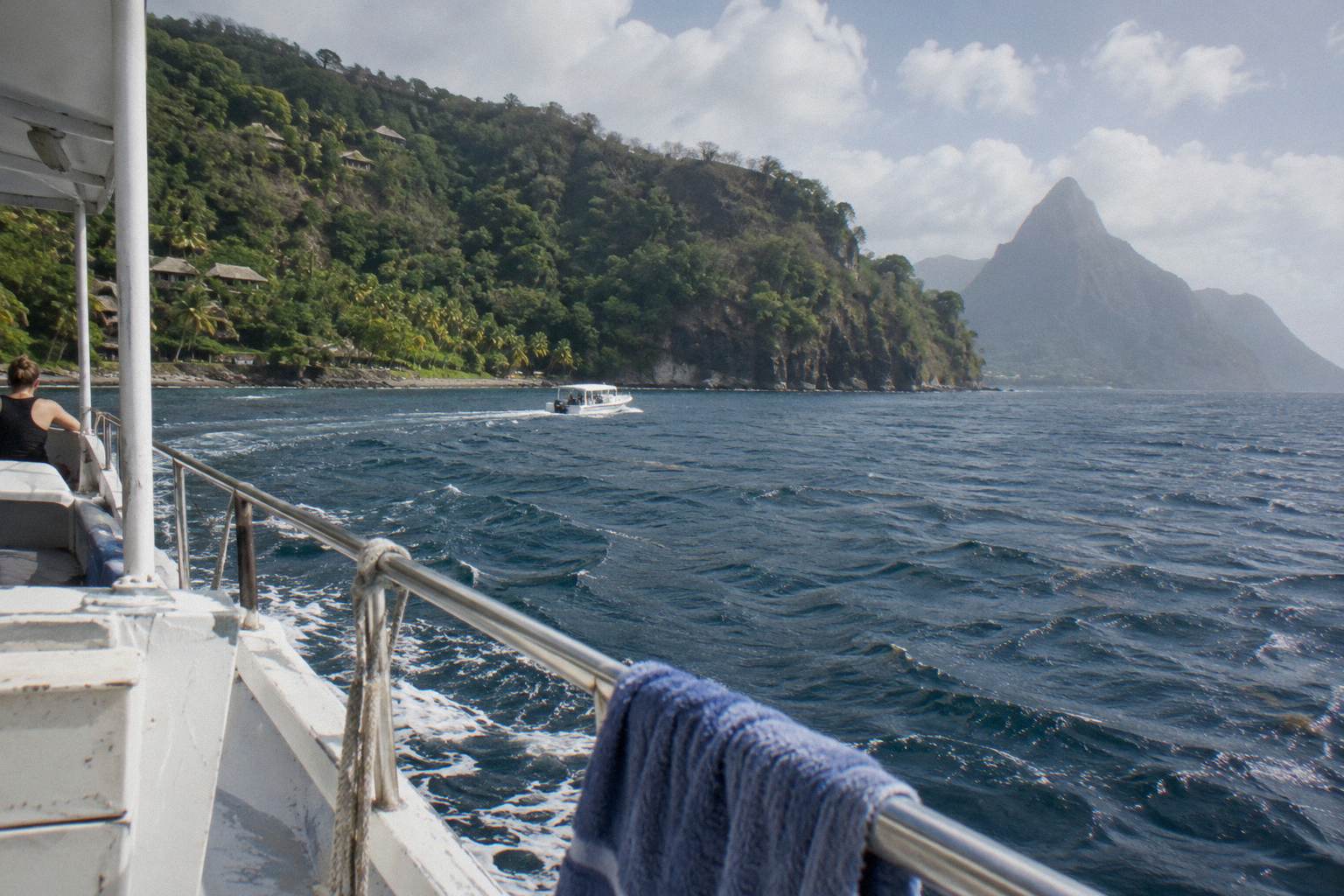
Two cautions on the numbers. First, never compare US$65 with US$2,550.65 as if both were per person; one is a seat, the other is a boat, and the honest comparison is per-head once you know your group size. Second, there is no published child rate on either trip, so whether your youngest pays full fare is a booking question, as covered above.
The wider money picture for the island day is simple. US dollars are widely accepted by hotels, restaurants, tour operators and taxis, the Eastern Caribbean dollar is fixed at EC$2.70 to US$1, and change often comes in EC$. Neither trip adds a hotel transfer to the bill, and neither includes tips, so budget for both. A fuller breakdown of what a whale and dolphin cruise costs in Saint Lucia exists for the detail-oriented.
Common Mistakes When Booking For Kids
The mistakes that catch families out: assuming a minimum age exists and not asking the operator; expecting a child rate that is not published; forgetting food when no meal is included; booking the private safari against a tight ship departure before the operator confirms; promising a child whales in a month when humpbacks are unlikely; and skipping the seasickness question when booking. All six are avoidable in the booking message.
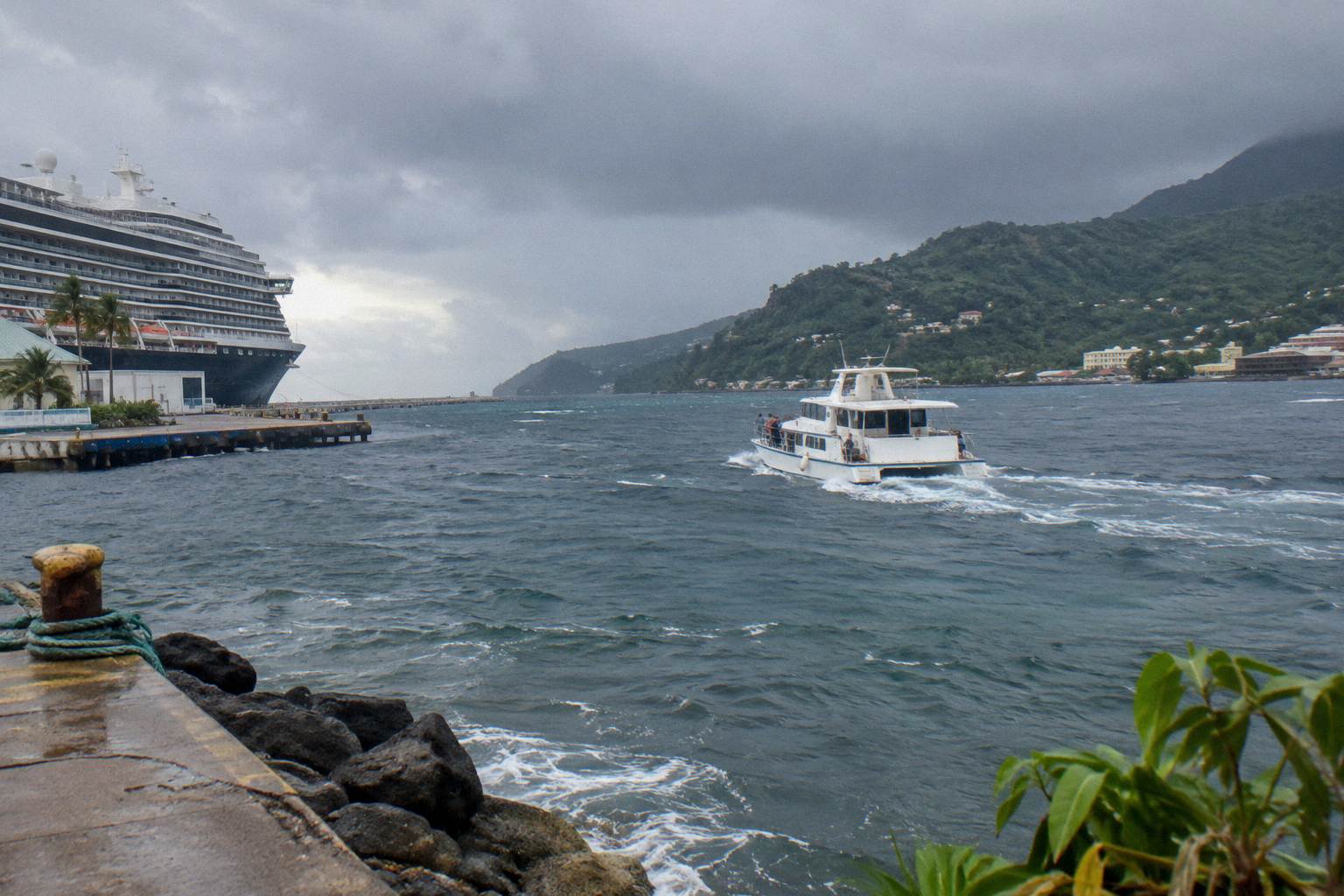
The first mistake is treating the missing age floor as permission rather than as a question. No minimum age is printed, children travel with an adult, and the operator confirms ages at booking; a parent who asks gets a real answer, and a parent who assumes gets whatever the day allows. The same applies to pricing: with no child rate published on either listing, the fare for your youngest is a conversation, and it belongs in the same message.
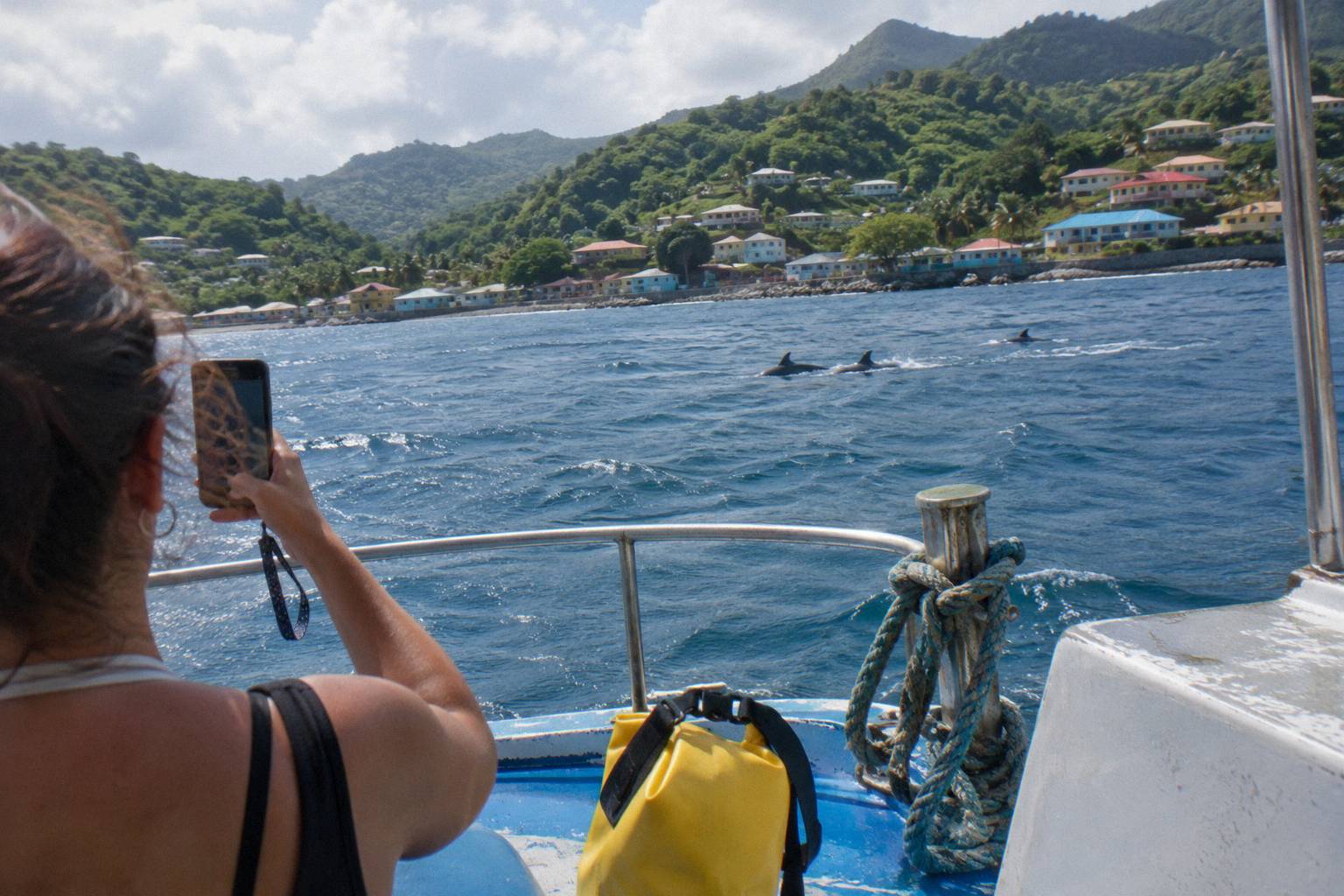
The second is overpromising. Humpbacks pass through between about February and April, some operators report them from December, and from May to November they are unlikely. Dolphins, especially spinner dolphins, are frequently sighted year-round, and pilot whale pods can sometimes be seen through the year, so the honest briefing to a child is: dolphins very possible, whales a seasonal maybe. Every sighting is a chance, never a promise, and no rebook-if-no-sighting policy exists on either trip. A child told the truth enjoys a quiet morning; a child promised a whale does not.
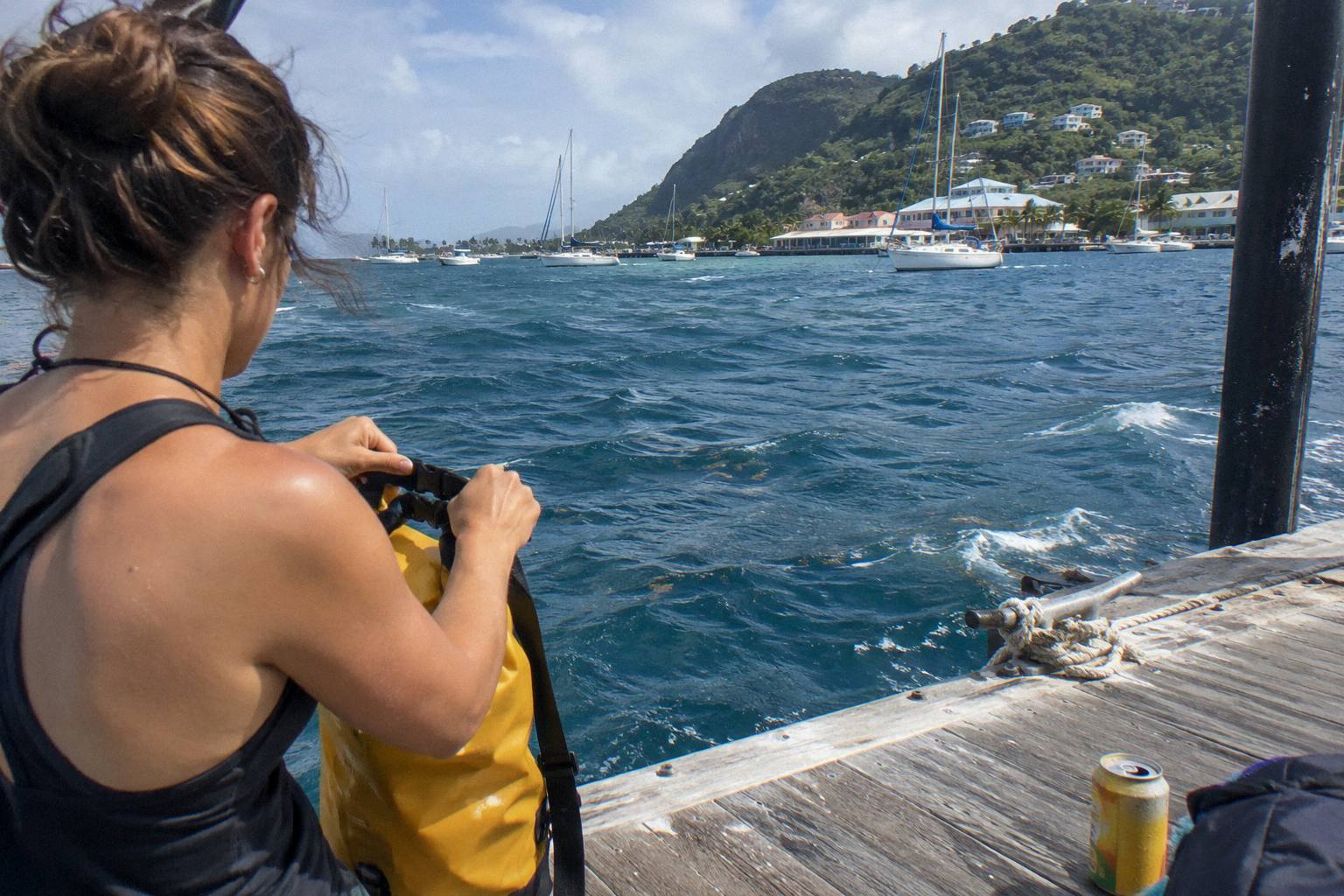
The third is logistics. The shared cruise includes no pick-up, so your transfer to Vigie Marina is yours to arrange, and cruise families should check the ship's all-aboard time before booking anything. The private safari includes cruise pier pick-up and drop-off but does not confirm instantly, so leave room for the operator's confirmation on a port day. Neither trip includes gratuities or a meal, so cash and a packed bag go in the plan.
The fourth is ignoring the calendar in the other direction. Seas are typically calmer from December to May, which makes those months the gentler choice for a first boat trip with a small child. Hurricane season officially runs June 1 to November 30; that is a fact about the calendar, not a prediction about your morning, but a parent choosing between a July departure and a March one should know which window tends to run smoother.
And the quiet fifth: forgetting that this is one of the friendliest wildlife classrooms in the Caribbean. Sperm whales live in the deeper water offshore, spinner dolphins are frequent, and the eastern Caribbean population is one conservationists study closely, as the Dominica Sperm Whale Project documents. A child who spends a morning with a marine expert asking why pilot whales travel in family groups comes home with more than photographs. That is what St Lucia Whale Watching is really selling families, and it is worth the packing.
Common Questions About Whale And Dolphin Cruises For Young Children
Is A Whale And Dolphin Cruise In Saint Lucia Suitable For Young Children?
Yes, with an adult beside them. No minimum age is printed on either trip, children travel with an adult, and the operator confirms ages at booking. The shared cruise runs about 3.5 hours and the private safari about 4 hours, both from Vigie Marina in Castries.
Is There A Minimum Age For The Shared Whale And Dolphin Cruise?
No age floor is printed. Children travel with an adult, and the operator asks you to confirm ages when booking. Ask also about child-size life jackets if yours is very small.
Is Food Included For Children On The Trips?
Drinks are included on both trips: bottled water, soft drinks and rum punch on the shared cruise, and soft drinks, coffee, tea, water, light snacks, rum punch and local fruit on the private safari. Neither trip includes a meal, so pack real food for children.
What Does A Family Of Four Pay?
The shared cruise at US$65 per person is US$260 for 4. The private safari is from US$2,550.65 per boat, never per person; for illustration, not a quote, that is about US$637.66 each for 4 guests. Prices vary by date and group; the booking page confirms them.
Will My Child Definitely See Whales?
No sighting is ever promised. Spinner dolphins are frequently sighted year-round and pilot whales can sometimes be seen through the year. Humpbacks pass through between about February and April, and from May to November they are unlikely.
Can We Cancel If A Child Gets Sick Before The Trip?
Both trips allow free cancellation up to 24 hours before departure on the booking path, and the private safari is also cancelled free for bad weather. The shared cruise's operator says a captain's unsafe-weather cancellation brings an alternative date or a refund.